Comparing the Most Effective Dog Flea Treatments for 2026
Fleas are a significant concern for pet health, causing persistent itching, skin allergies, and potentially serious medical conditions if left unaddressed. Selecting the most effective flea medicine can be a complex task, as the market offers a wide variety of products with different application methods and durations of protection. Providing a clear overview of these treatments helps in identifying solutions that are safe and effective for maintaining a pet’s comfort throughout the year.
The Importance of Consistent Flea Prevention
Fleas are more than just a nuisance; they are parasites that can transmit tapeworms, cause flea allergy dermatitis, and, in severe cases, particularly in puppies or senior dogs, lead to anemia. Finding an appropriate flea preventative is essential for protecting both the animal and the home environment from infestations.
Because not all treatments are identical, understanding the differences is vital. Some options offer immediate relief but have a short duration, while others provide long-term protection but require specific application methods.
Categories of Flea Medication
Before reviewing specific products, it is helpful to understand the primary formats available:
Topical Treatments (Spot-ons): Applied directly to the skin, these typically kill fleas on contact and provide protection for approximately 30 days.
Oral Medications: These are usually administered as flavored chewables or tablets, working systemically to eliminate fleas.
Flea Collars: These provide long-lasting protection, sometimes up to eight months, and are often suitable for dogs that spend time in the water.
Shampoos and Sprays: These methods offer instant relief for active infestations but generally require frequent reapplication as they lack long-term residual effects.
Review of Common Flea Treatments
The following products are frequently utilized within the Australian veterinary market based on their efficacy and ease of use:
NexGard Chewables
⭐⭐⭐⭐⭐ (4.9/5) This oral treatment is a popular choice due to its high palatability. It is a beef-flavored chew that typically begins to eliminate fleas within four hours of administration. It provides a full 30 days of protection against both fleas and ticks, making it a reliable option for pets that do not tolerate topical skin applications.
Seresto Flea Collar
⭐⭐⭐⭐ (4.7/5) For those seeking a low-maintenance solution, this collar offers up to eight months of continuous protection. It is odorless and water-resistant, which is beneficial for active dogs. It is often recommended for households that prefer not to manage monthly dosing schedules.
Advantage Spot-On
⭐⭐⭐⭐ (4.6/5) This topical treatment is designed to kill fleas on contact, meaning the parasite does not necessarily have to bite the dog for the medication to work. It is considered a gentle option and is generally safe for puppies as young as eight weeks of age.
Bravecto Chewable Tablets
⭐⭐⭐⭐⭐ (5/5) Bravecto is notable for its longevity, providing three months of protection with a single dose. This extended duration is ideal for ensuring consistent coverage, particularly for owners who may find it difficult to remember monthly treatments.
Capstar Flea Tablets
⭐⭐⭐⭐ (4.5/5) Capstar is a specialized short-term medication designed for rapid intervention. It begins killing fleas within 30 minutes and is highly effective for clearing a heavy infestation quickly. However, it only lasts for 24 hours and should be followed by a long-term preventative.
Selecting the Appropriate Treatment
When choosing a flea protection plan, several practical factors should be considered:
Size and Age: Always ensure the product matches the specific weight and age requirements listed on the packaging.
Sensitivities: Monitor for any skin reactions or digestive sensitivities to specific active ingredients.
Lifestyle: For dogs that swim frequently or require regular bathing, oral medications or water-resistant collars are often more effective than topical spot-ons.
Consulting with a veterinarian is recommended before starting a new regimen, particularly for pregnant dogs or young puppies.
Practical Steps for Infestation Prevention
In addition to medication, maintaining a clean environment is essential for breaking the flea life cycle:
Wash pet bedding regularly in hot water.
Vacuum carpets, rugs, and upholstered furniture at least once a week.
Treat all pets in the household simultaneously to prevent the parasites from jumping between hosts.
Monitor for changes in scratching behavior or skin condition.
Consistency is the most important factor in flea management. Rather than waiting for signs of discomfort, a planned monthly approach to prevention ensures the long-term health and happiness of the animal.
Fleas are more than just a nuisance; they are a major health risk for developing puppies. Left untreated, a flea infestation can lead to anemia (due to blood loss), tapeworms (transmitted when a puppy swallows an infected flea), and severe flea allergy dermatitis (FAD).
Puppies have sensitive skin and developing organs, meaning they cannot metabolize adult-strength chemicals. Use the following guide based on your puppy’s current age:
Age Range
Safe Treatment Types
Top Recommended Products
Newborn to 4 Weeks
Physical removal only.
Warm baths & flea combs. (Treat the mother with Advantage).
4 to 7 Weeks
Fast-acting oral “knockdown.”
Capstar (Safe from 4 weeks and 1kg+).
7 to 8 Weeks
Gentle topicals & collars.
Advocate, Advantix, or Seresto collar.
8 Weeks +
Full-spectrum oral chews.
NexGard Spectra, Simparica Trio, or Bravecto.
Top Treatment Categories for Puppies
1. The “All-in-One” Oral Chews (Best for 8 Weeks and Plus)
NexGard Spectra: Highly popular in Australia. It treats fleas, ticks, heartworm, and intestinal worms in one beef-flavored chew.
Simparica Trio: Similar to NexGard, it provides broad-spectrum protection and is often cited for its rapid speed of kill (killing fleas within 4–8 hours).
2. Gentle Spot-On Treatments (Best for 7 Weeks and Plus)
If your puppy is a picky eater or has a sensitive stomach, a topical “spot-on” is a great alternative.
Advocate: Kills fleas on contact (they don’t have to bite to die) and also protects against heartworm and most intestinal worms.
Frontline Plus: A classic choice that breaks the flea life cycle by killing eggs and larvae in the environment as well as adult fleas.
3. Instant Relief: Oral Knockdowns
Capstar: If you find your puppy is “crawling” with fleas, Capstar starts killing them within 30 minutes.
3 Essential Tips for Successful Puppy Flea Control
The “Mother Bubble”: If your puppy is still nursing, the safest way to protect them is to treat the mother. Products like Advantage are safe for lactating dogs and create a protective “bubble” around the litter.
Part the Fur, Not the Hair: When applying spot-ons, make sure you part the hair until you see skin. Applying the liquid to the fur alone will significantly reduce its effectiveness.
Environmental Hygiene: Only 5% of a flea population lives on your puppy; the other 95% (eggs and larvae) are in your carpet and bedding. Wash all puppy bedding in water above 60°C to break the cycle.
Signs of a “Flea Emergency” in Puppies
Because puppies are small, they can become dangerously anemic very quickly. if you see:
Heavy “flea dirt” (small black specks that turn red when placed on a wet paper towel), comfortable life they deserve! for it!
Pale gums (white or light pink instead of bright red).
Flea allergy dermatitis (FAD) is one of the most common skin conditions affecting dogs. This allergic reaction occurs when a dog’s immune system overreacts to flea saliva, causing intense itching, redness, and discomfort. If left untreated, flea allergies can lead to infections, hair loss, and other severe health issues. Knowing how to treat flea allergy in dogs is crucial for their well-being, and there are several effective solutions you can implement to help your pet recover and enjoy a comfortable life.
Understanding Flea Allergy in Dogs
Flea allergy in dogs occurs when a dog becomes allergic to the saliva of fleas. Even one flea bite can trigger an allergic reaction, causing symptoms like itching, scratching, and hot spots. The flea saliva contains proteins that the dog’s immune system recognizes as harmful, resulting in the production of histamines that cause inflammation and itching.
The common symptoms of flea allergy in dogs include:
Excessive scratching, especially around the tail base, neck, and abdomen.
Red, inflamed skin with hair loss.
Scabs, sores, and crusty patches on the skin.
Thickened skin (lichenification) after prolonged exposure.
If you notice these signs in your dog, it’s crucial to address the issue quickly to prevent further complications.
How to Treat Flea Allergy in Dogs: Step-by-Step Guide
1. Flea Control and Prevention
The first and most important step in treating flea allergies is to address the root cause: fleas. Fleas must be completely eliminated from your dog’s environment, and this often requires a multi-step approach.
Use Flea Preventatives: Invest in quality flea preventatives such as flea collars, topical treatments, or oral medications. These products kill fleas on contact and help prevent future infestations. Brands like Frontline, Advantage, or Revolution are commonly recommended by veterinarians.
Regular Bathing: Giving your dog regular baths with a mild, anti-flea shampoo can help remove fleas and soothe irritated skin. Always choose a shampoo specifically formulated for flea treatment to ensure it’s effective and safe for your dog.
Clean Your Home: Fleas can live in your dog’s bedding, carpet, and furniture. Wash your dog’s bedding regularly in hot water and vacuum your home frequently, especially in areas where your dog spends time. Don’t forget to treat carpets and furniture with a flea spray.
Yard Treatment: Fleas can also live in your yard, especially in shaded areas. Use outdoor flea treatments to control flea populations in your garden and yard.
2. Topical Treatments for Flea Allergy in Dogs
Topical treatments are often prescribed by veterinarians to manage flea allergy symptoms. These treatments typically contain ingredients that reduce inflammation and soothe itching. For dogs with flea allergies, applying medicated shampoos, sprays, or creams can help alleviate the symptoms.
Steroid Creams: Corticosteroid creams are effective in reducing itching and inflammation. They work by suppressing the immune response that triggers allergic reactions.
Anti-itch Sprays: Sprays containing hydrocortisone or oatmeal can help soothe the itching and calm irritated skin. These treatments are particularly helpful for immediate relief.
Medicated Shampoos: Regular bathing with a medicated shampoo helps to control flea bites and calm the skin. Ingredients like chlorhexidine, oatmeal, or aloe vera can aid in the healing process.
3. Oral Medications for Flea Allergy
In some cases, oral medications may be required to help control severe allergic reactions. These medications are typically prescribed by a veterinarian and can help manage symptoms effectively.
Antihistamines: Antihistamines like Benadryl can help reduce itching and swelling caused by flea allergy. Consult your vet for the correct dosage based on your dog’s size and condition.
Corticosteroids: Oral steroids like prednisone are sometimes prescribed for severe allergic reactions. These medications are effective in reducing inflammation and relieving itching but should be used with caution as they can have side effects if used long-term.
Immunotherapy: For dogs with chronic flea allergies, your veterinarian might recommend allergy shots or immunotherapy. This treatment involves administering small amounts of flea allergens to help desensitize the dog’s immune system over time.
4. Regular Vet Visits
Consulting a veterinarian is essential when dealing with flea allergy in dogs. Your vet can help diagnose the severity of the allergy, recommend the most appropriate flea control methods, and monitor your dog’s progress. They may also suggest additional treatments such as antibiotics if secondary skin infections develop as a result of constant scratching.
5. Boost Your Dog’s Immune System
A strong immune system can help your dog cope with flea allergies and other health conditions. Ensure your dog is on a balanced diet rich in omega-3 fatty acids, vitamins, and minerals to promote healthy skin and immune function. You can also provide supplements like fish oil to support their coat and skin health.
6. Calming Your Dog’s Skin with Natural Remedies
Natural remedies can complement veterinary treatments and help soothe your dog’s skin. Here are some home remedies that may provide relief:
Aloe Vera: Aloe vera is known for its soothing properties. Applying fresh aloe vera gel directly to your dog’s skin can reduce inflammation and provide cooling relief.
Oatmeal Baths: Oatmeal is another natural remedy for calming itchy, inflamed skin. You can either purchase an oatmeal-based dog shampoo or add finely ground oatmeal to your dog’s bath to reduce irritation.
Coconut Oil: Coconut oil has antifungal and antibacterial properties that can help heal irritated skin. It can also help hydrate the skin, reducing dryness caused by excessive scratching.
7. Proper Grooming and Skin Care
Regular grooming is essential for maintaining healthy skin and preventing flea infestations. Brush your dog’s coat frequently to remove dead skin cells, hair, and fleas. Keeping your dog’s coat clean and tangle-free can help reduce skin irritation caused by flea allergies.
Preventing Flea Allergy in Dogs
Preventing flea allergies in dogs starts with diligent flea control. Be consistent with flea preventatives, regular grooming, and home treatment to avoid future outbreaks. If you live in an area with a high flea population, consider using year-round flea prevention.
Conclusion
Treating flea allergy in dogs requires a combination of proactive flea control, veterinary flea treatment, and supportive monthly parasite care to soothe your dog’s skin. By following the steps outlined above, you can help your dog find relief from the discomfort caused by flea allergy dermatitis.
Remember, flea allergy can be managed with the right approach, and with proper care, your dog can return to a comfortable, happy life. Keep your dog flea-free and healthy with the right solutions!
By following these comprehensive steps, you can effectively treat and manage flea allergies in dogs, ensuring that your furry friend stays comfortable and healthy.
Every pet parent’s nightmare begins with an innocent scratch. Before you know it, your beloved dog is dealing with a full-blown flea or tick infestation. These tiny parasites can cause more than just discomfort, they can lead to serious health problems like skin infections, tick paralysis, and tapeworms. That’s why knowing how to protect dogs from fleas and ticks is not just helpful, but surely it’s essential.
In this fully illustrated guide, we’ll break down everything you need to know to keep your dog safe in the Australian climate. From daily habits to powerful products, we’ve got you (and your dog) covered.
Significance of Flea and Tick Protection
Fleas and ticks thrive in Australia’s warm, humid environments, and while they peak from October to March, they are a year-round threat. These pests latch onto your dog to feed on their blood, triggering:
Constant scratching and biting (leading to hot spots).
Protecting your dog starts with managing their environment.
Indoor Care
Vacuum Weekly: Flea eggs often fall off your pet and nest in carpet fibers. Focus on rugs and under furniture.
Hot Water Wash: Wash all pet bedding in water above 60°C weekly to kill eggs and larvae.
Declutter: Minimize areas where pests can hide, especially in multi-pet households.
Outdoor Prevention
Mow the Lawn: Ticks love tall grass and dense vegetation. Keeping the grass short removes their “launching pads.”
Clear Leaf Litter: Damp piles of leaves are the perfect breeding ground for fleas.
Wildlife Barriers: Ticks are often carried by native animals like bandicoots and possums. Secure your fencing to limit wildlife access to your yard.
2. Maintain a Daily Grooming and Check Routine
Even with the best medication, manual checks are your second line of defense.
The 10-Finger Search: Every day, especially after walks, run your fingers through your dog’s coat. Feel for small bumps. 70% of ticks are found from the shoulders forward, so check the ears, mouth, and under the collar.
Flea Combing: Use a fine-tooth flea comb. If you see “flea dirt” (tiny black specks that turn red on a wet paper towel), your dog has an active infestation.
Bath Time: Use a gentle rinse like to kill existing pests on contact.
Pro Tip: In high-risk tick areas along the East Coast, many vets now offer the Bravecto Quantum injection, which provides a full year of flea and tick protection in a single dose.
4. Know the Signs of Tick Paralysis
If you live in Australia, you must be able to recognize the early warning signs of tick toxicity. If you notice any of the following, contact an emergency vet immediately:
Wobbly walk or weakness in the back legs (ataxia).
Change in bark (sounding hoarse or different).
Retching, coughing, or vomiting.
Labored breathing (grunting or panting while at rest).
5. Natural Alternatives and Home Remedies
While natural options can help repel pests, they are rarely strong enough to kill an established infestation or prevent paralysis ticks.
Apple Cider Vinegar: A 50/50 mix with water can make the coat less attractive to fleas.
Coconut Oil: Contains lauric acid, which may act as a mild repellent and soothe irritated skin.
Lemon Spray: Citrus scents are naturally disliked by fleas (avoid the eyes and sensitive areas).
6. Monthly Reminders and Tracking
The most common reason for flea outbreaks is a missed dose.
Set Reminders: Use your phone calendar or a pet health app.
Auto-Delivery:Pet services offer subscription options so your prevention arrives exactly when the next dose is due.
Treat All Pets: If you have a cat and a dog, you must treat both simultaneously. Fleas will simply jump to the untreated “host” to survive.
Summary Checklist
Treat every pet in the house on the same day.
Administer monthly or quarterly vet-approved preventatives.
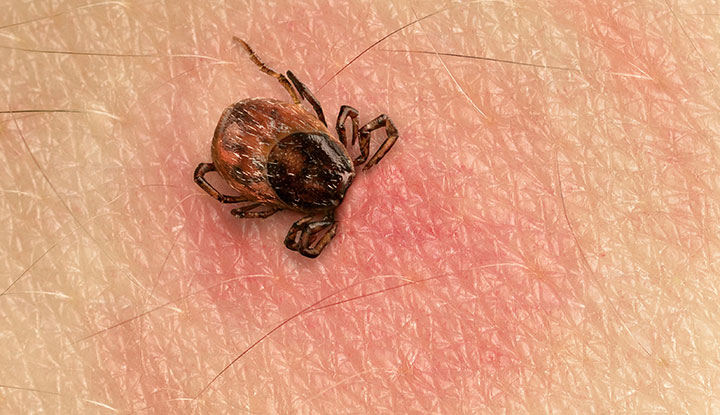
Ticks can be a nuisance for pets and humans alike, and if left untreated, they can lead to serious health problems such as Lyme disease, anaplasmosis, and babesiosis. While professional veterinary care is essential for treating tick-borne diseases, many pet owners prefer using home remedies for tick removal to safely and effectively remove ticks from their pets. In this article, we will explore some tried-and-tested home remedies for tick removal that you can use to protect your furry friends and yourself.
Why Home Remedies for Tick Removal?
Ticks are small parasitic creatures that latch onto the skin of pets, often dogs, and humans, to feed on blood. While ticks are typically found in outdoor areas, they can also be present inside your home. Their presence is particularly alarming because ticks are vectors for several diseases, making it essential to remove them quickly.
Using home remedies for tick removal not only ensures that you are dealing with the issue naturally but also provides a cost-effective alternative to expensive veterinary treatments. Here are some effective home remedies for tick removal.
1. Using Tweezers for Tick Removal
One of the simplest and most effective home remedies for tick removal is using a pair of fine-tipped tweezers. Follow these steps for effective tick removal:
Grasp the tick as close to the skin’s surface as possible using the tweezers.
Slowly and steadily pull the tick straight out without twisting or jerking it. This ensures that the tick’s mouthparts are fully removed.
After the tick is removed, disinfect the bite area with rubbing alcohol or soap and water.
Remember, using tweezers carefully prevents the risk of leaving any parts of the tick behind, which could lead to infection. After removing the tick, check for any signs of infection and consult a vet if necessary.
2. Essential Oils for Tick Repellent
Many essential oils have tick-repelling properties, making them an excellent option for natural tick removal. Some of the most effective essential oils for ticks include:
Lavender Oil: Known for its calming properties, lavender oil also helps in repelling ticks. Dilute it with a carrier oil like coconut oil and apply it to the affected area.
Tea Tree Oil: This oil is a powerful antimicrobial agent and can help remove ticks naturally. However, it must be diluted properly, as it can be toxic to pets if used in high concentrations.
Lemon Oil: The citrus aroma of lemon oil is another great tick repellent. Mix it with water and spray it around areas where ticks are likely to be found.
Before using any essential oils on pets, especially cats, ensure that they are safe and non-toxic. A quick consultation with your vet or pet specialist can provide further guidance on essential oils suitable for your pet.
3. Vinegar and Water Solution
Vinegar is an inexpensive and effective home remedy for tick removal. Its acidic properties help to loosen the tick’s grip on the skin, making it easier to remove. Here’s how to use vinegar for tick removal:
Mix equal parts of vinegar (white or apple cider vinegar) and water in a spray bottle.
Spray the solution directly onto the tick-infested area.
Let it sit for a few minutes before gently removing the tick with a pair of tweezers.
The vinegar will help soften the tick’s attachment and make the removal process smoother. You can also use this solution as a repellent in areas prone to ticks.
4. Coconut Oil for Tick Removal
Coconut oil is another natural remedy that works wonders in tick removal. It is known for its moisturizing and anti-inflammatory properties. Here’s how you can use it:
Apply a small amount of coconut oil to the tick-infested area.
Massage it gently into the skin, allowing the oil to penetrate and loosen the tick’s grip.
Once the tick becomes loose, use tweezers to remove it.
Coconut oil is gentle and safe for pets, making it an excellent option for tick removal. It also helps soothe any irritation caused by the tick bite.
5. Tick Removal Using Alcohol
Rubbing alcohol is another effective way to remove ticks, as it kills the tick and makes it easier to remove. Follow these steps for alcohol-based tick removal:
Soak a cotton ball with rubbing alcohol and apply it to the tick.
Allow it to sit for a few minutes to ensure the tick is killed.
Once the tick is dead, use tweezers to carefully remove it.
This method works well because alcohol can also disinfect the bite area, reducing the risk of infection. However, make sure to apply the alcohol directly to the tick rather than the surrounding skin.
6. Pet-Specific Remedies
At Fleamail.com.au, we understand that your pets deserve the best protection from ticks. That’s why we offer products like flea and tick prevention treatments and collars that help eliminate ticks before they become a problem.
While home remedies for tick removal are great for addressing an infestation, prevention is always better than cure. Here are some tips to help you prevent ticks from infesting your pets:
Regular Grooming: Brush your pet regularly to remove ticks and fleas before they latch on.
Tick Repellent Sprays: Use tick-repellent sprays or collars to create a protective barrier around your pets.
Tick-Free Zones: Limit your pet’s access to tick-infested areas, such as tall grass or wooded areas.
Check Regularly: Inspect your pets for ticks, especially after outdoor activities.
Remember, a consistent tick-prevention routine will help avoid infestations and minimize the need for tick removal.
Conclusion
Ticks are a serious threat to both pets and humans, but with the right knowledge and tools, you can manage and prevent infestations. The home remedies for tick removal listed in this article are simple, effective, and natural options to keep your pet healthy. Whether you’re using tweezers, essential oils, vinegar, or coconut oil, make sure to remove ticks carefully to avoid any complications.
For more information on pet care, visit Fleamail.com.au and explore our range of solutions to keep your furry friends safe from ticks and other harmful pests.
Worms are more than just an annoyance, but they’re a health hazard for your beloved dog and even your family. Regular worming is essential to keeping your furry friend healthy, active, and protected from parasites. But the question remains: how often should you actually be taking the preventive care?
In this guide, we’ll break down everything Australian dog owners need to know about worming frequency, symptoms of infestation, and how to stay on top of a schedule that works for your household.
Why Worming Is Essential
Dogs are naturally curious creatures that are sniffing, licking, and chewing just about everything they find. Unfortunately, this behavior makes them prime targets for picking up parasites like:
Roundworms
Tapeworms
Hookworms
Whipworms
Heartworms (transmitted via mosquito bites)
Worms can lead to weight loss, diarrhea, lethargy, and a bloated abdomen. Some parasites are zoonotic, meaning they can pass from dogs to humans. This makes worming a matter of family health as much as pet care.
How Often to Worm Dogs: The Standard Schedule
The frequency of treatment depends heavily on the dog’s life stage. Here is the recommended protocol for Australian conditions:
1. Puppies
Puppies are at the highest risk because they often inherit worms from their mother.
2 to 12 weeks old: Every 2 weeks.
3 to 6 months old: Once a month.
2. Adult Dogs (6 months+)
For the average pet, a quarterly routine is standard.
General Rule: Every 3 months.
High-Risk Dogs: Dogs that live on farms, hunt, or live with young children should be wormed monthly.
3. Pregnant and Nursing Dogs
Treatment is vital to prevent passing larvae to the pups.
Protocol: Deworm during pregnancy and again during lactation (consult your vet for specific timing and safe products).
Factors That Affect Worming Frequency
Understanding the right schedule involves looking at your dog’s daily habits:
Location: Dogs in warmer, coastal regions of Australia are at higher risk for heartworm and certain hookworms.
Diet: If your dog scavenges or is fed a raw meat diet, monthly deworming is often safer than quarterly.
Socialization: Regular visits to dog parks or boarding kennels increase exposure.
Household: If you have toddlers or immunocompromised family members, monthly intestinal worming is recommended by the Tropical Council for Companion Animal Parasites (TroCCAP).
Choose the Successful Treatment
Worming isn’t one-size-fits-all. You need broad-spectrum solutions to tackle multiple parasites. Various formats are available to suit your dog’s preference:
Tablets: Effective and traditional.
Chewables: Often flavored like beef or chicken to make administration easy.
Spot-on Treatments: Great for dogs that refuse to swallow pills.
All-in-one Controls: Products that cover fleas, ticks, heartworm, and intestinal worms in a single dose.
Summary Reference Table
Dog Life Stage
Worming Frequency
Puppies (2–12 weeks)
Every 2 weeks
Puppies (3–6 months)
Every month
Adult Dogs (Average)
Every 3 months
High-Risk Adults
Every month
Heartworm Prevention
Every month (Year-round)
Don’t Forget the “Silent Killer”: Heartworm
While intestinal worms are a major concern, heartworm is a different beast entirely. It is transmitted by mosquitoes and lives in the heart and lungs. Unlike intestinal worming, heartworm prevention must be given monthly. Many owners choose combination products that handle both heartworm and intestinal worms at the same time.
Final Thoughts
Consistency is the secret to a parasite-free home. Don’t wait for visible symptoms like scooting or a dull coat to take action. By setting up a recurring schedule or using an auto-delivery service, you make sure your dog never misses a dose.