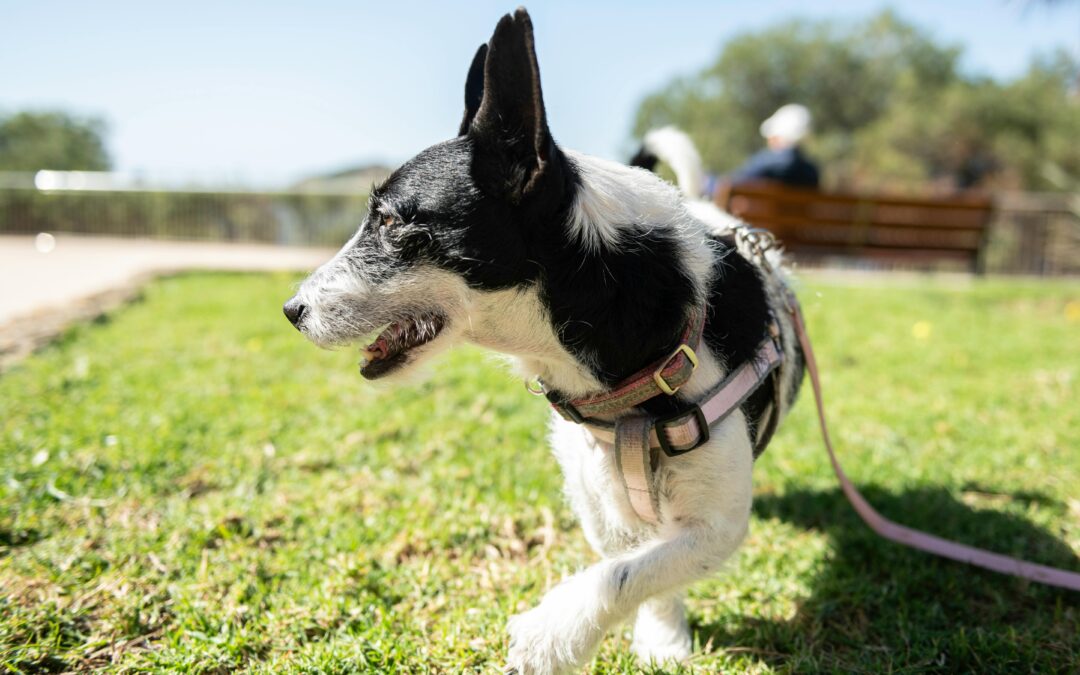
When it comes to keeping your energetic dog healthy and happy, choosing the right food matters. Active dogs need more calories, higher protein, and well-balanced nutrition to support their lifestyle. Whether your dog loves running, hiking, or just can’t sit still, feeding them the right diet makes a huge difference in their energy, strength, and long-term health.
In this guide, we’ll walk you through everything you need to know about the best dog food for active dogs and how to choose the right one to fuel your pet’s adventures.
Why Active Dogs Need Special Nutrition
Just like human athletes, active dogs burn more energy and need food that can match their high activity levels. Regular dog food may not provide enough of the essential components required for high-performance lifestyles.
Key nutritional needs for active dogs include:
High protein: Necessary to build and maintain strong muscles.
Healthy fats: Provides the most concentrated source of long-lasting energy.
Complex carbohydrates: Sustains activity throughout the day and aids in recovery.
Vitamins and minerals: Specifically those that support joints, the immune system, and cellular repair.
Without proper nutrition plan, your dog may feel tired, lose muscle mass, or become more prone to injuries during physical activity.
How to Choose the Best Dog Food for Active Dogs
Not all high-performance formulas are created equal. Here’s what to look for when shopping for premium dog food:
Check the Ingredient List: Look for real meat as the first ingredient. Chicken, beef, or salmon are excellent sources of protein. It is generally best to avoid foods that rely heavily on fillers like corn or soy.
Look for Balanced Fat Content: Fats like omega-3 and omega-6 fatty acids help support your pet’s joint health and keep the skin and coat in top condition—this is especially important for working dogs exposed to the elements.
Grain-Free or Whole Grains: Some dogs thrive on grain-free diets, while others do well with ancient or whole grains like brown rice or oats. Focus on your dog’s individual tolerance and energy levels.
Brand Reputation: Always choose trusted brands that prioritize quality and scientific formulation to ensure your pet is getting a safe, balanced meal.
Popular High-Performance Options
Several premium brands offer specialized formulas tailored for high-energy lifestyles. For instance, Advance Active is designed for all-breed adult dogs, focusing on sustained energy and digestive health. Black Hawk Working Dog formulas are often developed specifically for breeds with heavy daily workloads, utilizing essential amino acids and healthy oils. For those with sensitivities, Ivory Coat Grain Free options provide lean protein from sources like turkey and duck to help maintain muscle without common grain triggers.
Signs Your Dog Is Thriving on the Right Food
Not sure if you’ve chosen the best dog food for active dogs yet? Here are signs you’ve nailed it:
Healthy weight and lean muscle definition.
High energy levels without a “crash” after activity.
A shiny coat and strong nails.
Good digestion and regular, firm stools.
Quick recovery after intense play or exercise.
If you are not seeing these signs, it may be worth consulting with a veterinarian to transition your dog to a higher-performance formula.
Final Thoughts
Your dog depends on you to keep up with their active lifestyle. Giving your furry a diet specifically formulated for energy not only fuels their adventures but also supports their long-term health and happiness. By focusing on high-quality proteins and fats, you can ensure your furry athlete stays in peak condition for years to come.— they’ve got you covered.
Protect Your Furry Friend Without Breaking the Bank
If you love your pet but worry about vet bills, you’re not alone. In 2026, many pet owners in Australia are looking for a safety net that won’t break the bank. With the right policy, you can give your dog or cat great health cover while staying within your budget.
Finding affordable pet insurance in Australia involves understanding your pet’s specific needs and comparing how different factors—like breed, age, and excess—impact your monthly premium.
Why Affordable Pet Insurance Matters in 2026
Veterinary costs continue to rise alongside medical advancements. While a routine check-up might be manageable, serious incidents can quickly escalate into thousands of dollars.
Emergency Exams: $100–$200
Foreign Body Removal: $3,000–$4,000
Tick Paralysis: $1,800+
Broken Bones/Surgery: $2,000–$5,000
Having a cost-effective policy ensures you aren’t forced to choose between your savings and your pet’s life.
Average Costs: What to Expect in 2026
Insurance costs vary significantly by pet type. Generally, cats are the most affordable to insure, while large dog breeds or those prone to genetic issues (like French Bulldogs) carry higher premiums.
Pet Type
Avg. Monthly Cost (Accident & Illness)
Avg. Annual Premium
Cats
$24 – $50
$286 – $597
Small Dogs
$37 – $73
$446 – $876
Medium Dogs
$45 – $85
$540 – $1,000
Large Dogs
$60 – $110
$720 – $1,300
Data based on 2025-2026 Australian market trends.
How to Find Truly Affordable Pet Insurance
Here is a checklist to help you secure reliable, low-cost coverage:
Compare Multiple Providers: Use comparison platforms to view quotes from top Australian insurers like Budget Direct (often cited as one of the most budget-friendly), Bow Wow Meow, or Petsy.
Choose the Right Plan Type:
Accident-Only: Cheapest, but limited to injuries.
Accident & Illness: The most popular “value” choice.
Comprehensive: Highest cost, but includes routine care like dental and vaccinations.
Adjust Your Excess: Raising your excess (the amount you pay upfront per claim) can significantly lower your monthly premium.
Lock in Early: Insuring your pet while they are young and healthy prevents “pre-existing condition” exclusions later in life.
Look for Discounts: Many providers offer 10–15% multi-pet discounts or introductory offers (e.g., “first 2 months free”).
Tips for Reducing Your Premium
Annual vs. Monthly: Paying your premium annually can often save you 5–8% compared to monthly installments.
Skip Unnecessary Extras: If you can afford routine vaccinations and flea treatments out-of-pocket, skip the “Routine Care” add-on to keep your base premium low.
Check for GapOnly®: Look for insurers that offer GapOnly, which allows the vet to claim directly. You only pay the “gap” on the spot, helping your immediate cash flow.
Real Life Example: Milo the Cavoodle
Milo is a 3-year-old Cavoodle. By choosing an Accident & Illness plan with a higher $200 excess, his owner pays roughly $40/month. When Milo accidentally ate a toxic plant, the vet bill was $1,500. After the excess, insurance covered 80% of the remainder, saving the owner nearly $1,040 in one visit.
If your dog struggles with food sensitivities or allergies, limited ingredient dog food (LIDF) plan can be a transformative choice. By simplifying recipes and removing common fillers, you can reduce digestive distress and significantly improve your pet’s quality of life.
In Australia, the rise of single protein diets and novel proteins has made it easier than ever to find a clean baseline for dogs with itchy skin or upset stomachs.
What Exactly is Limited Ingredient Dog Food?
Limited ingredient dog food isn’t just a marketing term; it’s a nutritional strategy designed to minimize the biological “noise” your dog’s immune system has to process. Typically, these formulas include:
A Single Protein Source: Often a “novel” protein like kangaroo, duck, or venison that your dog hasn’t been exposed to before.
Simple Carbohydrates: One or two easily digestible sources like sweet potato, pumpkin, or peas.
No “Nasty” Fillers: Free from artificial colors, chemical preservatives (BHA/BHT), wheat, corn, or soy.
Why Make the Switch?
The primary goal of a limited ingredient diet is transparency. When a label lists 30 ingredients, it’s impossible to know which one is causing your dog to scratch. When it lists five, you have control.
Benefit
How it Helps
Allergy Identification
Acts as an “elimination diet” to pinpoint specific triggers.
Digestive Relief
Reduces the workload on the gut, leading to firmer stools and less gas.
Skin & Coat Health
Often rich in Omega fatty acids to heal “hot spots” and dry, flaky skin.
Immune Support
Eliminates inflammatory additives that can weaken a dog’s natural defenses.
Transitioning Your Dog: The 10-Day Gold Standard
Switching a sensitive dog to a new food too quickly can cause a “tummy reset” (diarrhea or vomiting). To ensure a smooth transition, follow this gradual schedule:
Days 1–3: 25% New LIDF + 75% Old Food
Days 4–6: 50% New LIDF + 50% Old Food
Days 7–9: 75% New LIDF + 25% Old Food
Day 10: 100% New Limited Ingredient Food
Pro Tip: During this 10-day window, avoid giving your dog any other treats or table scraps. This ensures you can accurately judge how the new diet is affecting their health.
Top Australian Options for Sensitive Pups
If you’re looking for high-quality, Australian-made options, consider these trusted sources:
Prime100: Famous for their SPD (Single Protein Diet) rolls and air-dried options, often recommended by veterinary dermatologists.
Scratch: A subscription-based service providing transparent, high-meat formulas like their “Sensitive Kangaroo” recipe.
Fleamail: Offers a curated selection of limited-ingredient formulas and all-in-one protection plans that complement a clean diet.
Final Thoughts
If your dog is showing signs of sensitivity—like chronic ear infections, constant paw licking, or irregular digestion—simplicity is your best tool. By choosing a high-quality limited ingredient diet plan, you aren’t just feeding your dog; you’re healing them from the inside out.
However, moving your dog to a meat-free lifestyle requires more than just swapping kibble for carrots. Here is a deeper look at the science, benefits, and safety essentials for a vegetarian dog.
The Biology: Why Dogs Can Go Meat-Free
Unlike cats (who require taurine found specifically in animal tissue), dogs have evolved to produce the enzymes necessary to break down starches and plant proteins.
Evolutionary Shift: Modern dogs possess more copies of the AMY2B gene than wolves, which allows them to digest carbohydrates efficiently.
Nutrient Requirements: Dogs don’t actually need “meat”; they need the nutrients meat provides—specifically amino acids, fatty acids, vitamins, and minerals.
Key Benefits of a Vegetarian Diet
While many choose this path for ethical or environmental reasons, there are significant medical benefits:
Allergy Management: Beef, chicken, and dairy are among the top food allergens for dogs. Plant-based diets are often used as “elimination diets” to clear up itchy skin and ear infections.
Digestive Support: High-fiber plant ingredients like lentils and peas can improve stool consistency and support a healthy gut microbiome.
Weight Control: Vegetarian formulas are often lower in saturated fats, making them an excellent choice for obesity-prone breeds.
Critical Nutrients to Watch
A poorly formulated vegetarian diet can lead to life-threatening deficiencies. If you are choosing a meat-free food, ensure it is fortified with these “missing links”:
Nutrient
Why it Matters
Plant-Based Source
Taurine & L-Carnitine
Essential for heart health (prevents DCM).
Often added as a supplement.
Vitamin B12
Vital for the nervous system and immunity.
Nutritional yeast or supplements.
Vitamin D3
Crucial for bone health; dogs cannot get this from the sun.
Lanolin-derived or synthetic D3.
Iron & Zinc
Supports blood health and skin integrity.
Legumes, seeds, and fortified grains.
How to Choose Safe Food in Australia
When shopping at a pet specialty store, look for the following “Gold Standard” markers:
AAFCO Statement: The packaging should state that the food is “complete and balanced” according to the Association of American Feed Control Officials (AAFCO) standards.
Vet-Recommended Brands: Brands like Royal Canin (Hypoallergenic) and Purina Pro Plan (HA) offer plant-based formulas specifically for medical needs. Ethical brands like Amì and Benevo are also popular in the Australian market for general maintenance.
The “Novel Protein” Factor: If your dog has severe allergies, look for hydrolyzed soy, which breaks proteins down so small the immune system doesn’t recognize them as allergens.
Making the Switch: The 10-Day Rule
To avoid stomach upset or “dietary indiscretion,” transition your dog slowly:
Days 1–3: 25% Vegetarian / 75% Current Food
Days 4–6: 50% Vegetarian / 50% Current Food
Days 7–9: 75% Vegetarian / 25% Current Food
Day 10: 100% Vegetarian
Final Note: Always consult your veterinarian before a total dietary shift, especially for puppies or senior dogs with underlying heart conditions.
In Australia, food allergies are among the top three causes of itchy skin in dogs. This guide explores how to choose the best dog food for allergies, what ingredients to look for, and recommended options to keep your furry friend comfortable.
What Causes Food Allergies in Dogs?
A food allergy occurs when a dog’s immune system overreacts to a specific protein or carbohydrate. Interestingly, these allergies usually develop after your dog has been eating the same food for a long time.
Common Allergens in Australia:
Proteins: Beef (the #1 trigger), Dairy, Chicken, Lamb, and Eggs.
Gastrointestinal: Increased frequency of bowel movements (more than 3 times a day), vomiting, diarrhea, or excessive gas.
Strategies for Managing Allergies
Choosing the right food involves eliminating triggers while maintaining high-quality nutrition.
1. Limited Ingredient Diets (LID)
These recipes minimize the number of components, making it easier to monitor what your dog is consuming. By using a single protein and a single carb, you reduce the “immune noise” in your dog’s system.
2. Novel Proteins
A “novel” protein is one your dog has never eaten before. Because their immune system hasn’t encountered it, it’s unlikely to trigger a reaction.
Top Novel Choices: Kangaroo, Duck, Venison, or even Insect protein.
Australian Advantage: Kangaroo is an excellent novel protein because it is lean, sustainably sourced, and almost never found in standard supermarket kibble.
3. Hydrolyzed Protein Diets
Usually available via prescription, these foods use proteins that have been chemically broken down into tiny pieces (peptides). These pieces are so small that the immune system doesn’t recognize them as “chicken” or “beef,” effectively “hiding” the protein from the body.
Transitioning to an Allergy-Friendly Diet
When switching to a new diet for allergy management, a gradual transition over 7–10 days is vital to prevent stomach upset. However, for a true Elimination Diet Trial, you must be strict:
Phase
Duration
Protocol
Transition
10 Days
Gradually mix new food (25%, 50%, 75%, 100%).
Strict Trial
8–12 Weeks
No table scraps, no flavoured medications, and no standard treats.
Evaluation
Ongoing
Monitor for reduced itching and firmer stools.
Why Consistency Matters
Even a single piece of cheese or a chicken-flavored heartworm tablet can ruin a weeks-long elimination trial. If you are exploring the range ensure you also choose hypoallergenic treats (like air-dried kangaroo or venison) that match your dog’s new protein source.
Final Thoughts
Food allergies can be stressful, but they are manageable. By moving to a high-quality, limited-ingredient, or novel protein diet, you can give your dog’s immune system the “reset” it needs. Always consult your vet before making major dietary changes to ensure your pet is still meeting all their nutritional requirements.
Helping your pet lose weight is one of the most rewarding journeys you can take together. Beyond just looking slimmer, a successful weight loss plan can add up to two years to your pet’s life and significantly reduce the risk of diabetes, kidney disease, and painful arthritis.
In Australia, nearly 50% of pets are considered overweight. Transforming these statistics starts in your kitchen and your backyard. Here is how to build a safe, science-backed plan for your furry friend.
Phase 1: The “Healthy Start” Assessment
Before cutting back on kibble, you need a baseline.
The Body Condition Score (BCS): Vets use a 1-to-9 scale. An “Ideal” pet (score of 5) has a visible waistline when viewed from above and ribs that you can easily feel but not see.
The Rule of 10%: Every point above a 5 on the 9-point scale indicates that your pet is approximately 10% overweight.
Medical Screening: Ensure the weight gain isn’t caused by underlying issues like hypothyroidism (common in dogs) or Cushing’s disease.
Phase 2: Building the Nutritional Plan
Weight loss for pets is 90% diet and 10% exercise. Simply feeding “less” of their normal food can lead to nutrient deficiencies. Instead, consider these strategies:
1. Calculate the Right Calories
Here is that explanation in simple English:
Calculating Your Pet’s Calories
To help a pet lose weight, a good starting point is to figure out their Resting Energy Requirement (RER). This is simply the number of calories their body needs just to rest and stay alive.
If you have a medium-sized pet (between 2 and 45 kilograms), you can calculate this using a simple formula:
Multiply their ideal weight (in kilograms) by 30.
Add 70 to that number.
The final answer is the number of calories (kcal) your pet should eat each day.
Example
If your pet’s healthy target weight is 10 kg:
$30 \times 10 = 300$
$300 + 70 = 370$
Your pet would need 370 calories a day.
2. Choose “Weight Care” Formulas
High-quality weight management foods are designed to be “nutrient-dense but calorie-light.” They often include:
High Fiber: Keeps your pet feeling full (satiety) so they don’t beg.
L-Carnitine: A supplement that helps the body turn fat into energy.
Lean Protein: To ensure they lose fat, not muscle mass.
3. The 10% Treat Rule
Treats should never exceed 10% of your pet’s daily calories. Swap high-calorie biscuits for:
Dogs: Baby carrots, green beans, or cucumber slices.
Cats: Small bits of steamed zucchini or tiny flakes of water-packed tuna.
Phase 3: Safe Weight Loss Rates
Losing weight too fast is dangerous, especially for cats, as it can lead to a serious liver condition called hepatic lipidosis.
Dogs: Aim for 1% to 2% of body weight loss per week.
Cats: Aim for a slower 0.5% to 1% of body weight loss per week.
Phase 4: Creative Exercise
Physical activity boosts metabolism and improves mood.
For Dogs: Try “scent work” by hiding their kibble around the house, or use a “flirt pole” for high-intensity play in short bursts.
For Cats: Use laser pointers (always end with a physical toy they can “catch”), cat towers for vertical climbing, or interactive puzzle feeders.
Weekly Monitoring: The Success Journal
Keep a log of your pet’s progress. Use a kitchen scale for smaller pets and a vet’s scale for larger dogs. If your pet plateaus for more than two weeks, it’s time to adjust the calories downward by another 5% to 10%.