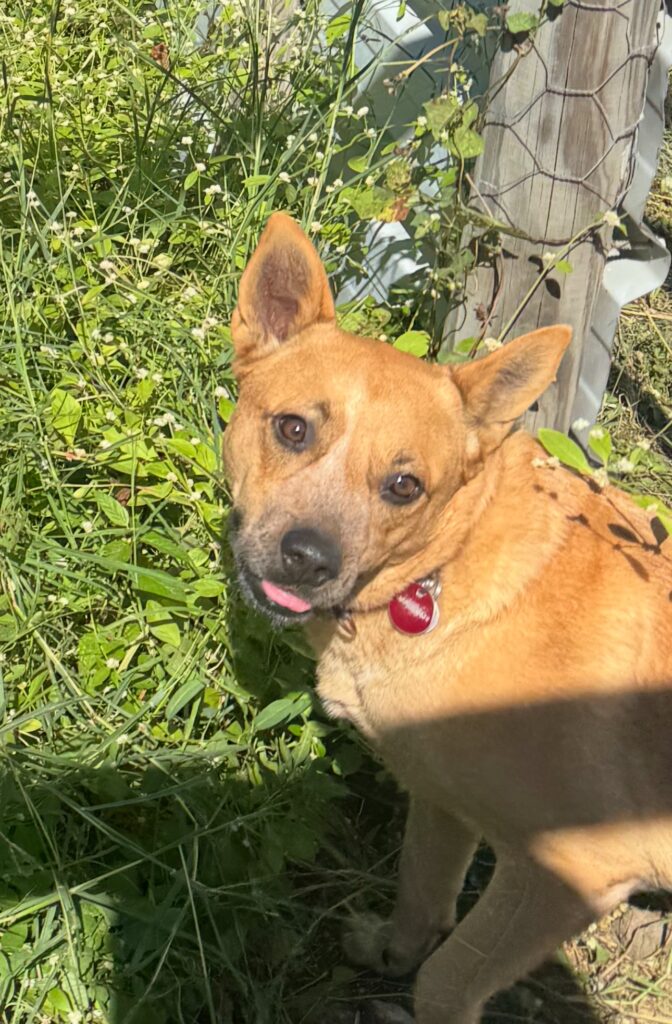
Ticks are annoying, they’re a serious health challenge for your loyal dog. If your furry friend is already suffering the effects of a tick infestation. Immediate and effective treatment is crucial not only for your dog’s comfort but also for their long-term health.
Ticks are external parasites that latch onto your dog’s skin and feed on their blood. While that might sound gross, the real danger comes from what ticks carry: diseases like Lyme disease, ehrlichiosis, and paralysis tick poisoning. These conditions can be life-threatening if left untreated.
Many dog owners think a few ticks here and there are harmless, but tick infestations can escalate quickly. Especially in warmer months or in bushy areas, tick populations thrive. That’s why having a reliable tick control plan is essential for all pet owners.
How to Know If Your Dog Has Ticks
Some signs of tick infestation include:
Constant scratching or biting of skin
Red or inflamed areas on the skin
Visible ticks attached to the ears, neck, or underbelly
Lethargy or unusual tiredness
Loss of appetite
Difficulty walking or unsteady gait (a sign of tick paralysis)
If your dog shows any of these symptoms, act fast it’s time to search for a professional vet for your dog’s tick treatment.
What Makes a Good Dog Tick Treatment?
When choosing a tick treatment product, it’s important to select one that is both fast-acting and long-lasting. Here are some of the most effective types of treatments available:
Spot-on Treatments These are applied directly to the dog’s skin, usually between the shoulder blades. They start working within 24 hours and typically last for a month.
Oral Medications Oral tick preventatives are easy to administer and can offer up to 3 months of protection with a single chewable tablet.
Tick Collars These are worn around your dog’s neck and release tick-killing chemicals slowly over time.
Tick Sprays and Shampoos Ideal for immediate relief, especially if your dog is already infested. However, they often need to be paired with a longer-term solution.
Why Choose Fleamail.com.au for Dog Tick Treatment?
Understand how important your pet’s health is. Stock vet-recommended, affordable, tick treatment products. Whether you’re in Sydney, Brisbane, Perth, or a remote area, your goal is to get effective tick protection to your dog fast.
Passionate pet owners, every product they carry is carefully selected based on safety, customer reviews, and veterinary endorsement.
Top-Selling Tick Treatment Product on Fleamail
One of the best-rated tick prevention products is:
Bravecto for Dogs
Kills fleas and ticks within hours
Protects for 3 months with one dose
Tasty chew—no mess, no fuss
Safe for puppies over 8 weeks of age
Whether your dog lives indoors or loves the great outdoors, Bravecto is a game-changer in tick and flea protection.
Natural Prevention Tips (Alongside Treatment)
While treatment is essential, prevention plays a key role too. Here are some vet-backed tips to reduce your dog’s exposure to ticks:
Keep grass and bushes trimmed in your yard
Avoid tick-prone areas during peak seasons
Inspect your dog daily, especially after walks
Wash and sanitize bedding regularly
Use tick-repellent sprays before hikes or outdoor adventures
It is important for every careful dog owner to find a reliable solution for dog tick protection.
Tick-Borne Illnesses: Know the Risks
Understanding the threats ticks pose can help pet parents take action sooner. Some common diseases caused by ticks include:
Paralysis Tick Poisoning – unique to Australia, causes weakness, breathing issues, and even death
Babesiosis – leads to anemia, weakness, and can be fatal if untreated
These illnesses are not only painful for your dog but can also be costly in vet bills. Early treatment and preventative medication can save both money and heartache.
FAQs
Q: What’s the fastest way to remove ticks from my dog? A: Use a tick-removal tool or fine-tipped tweezers. Grasp the tick close to the skin and pull it straight out without twisting. Avoid crushing it.
Q: Can I get dog tick treatment over the counter? A: Yes. Many effective products like Bravecto, NexGard, and Advantix are available online and no prescription needed.
Q: How often should I give my dog tick treatment? A: It depends on the product. Some are monthly, others last up to 3 months. Always follow product instructions or consult your vet.
Q: Is there a dog tick treatment near me that delivers? A: Yes! fleamail.com.au delivers across all of Australia, making it easier than ever to protect your dog no matter where you live.
Final Thoughts: Act Fast, Treat Early
Ticks are high-risk parasites that require immediate intervention to prevent severe health complications. When a tick is detected on a pet, the response must be swift and methodical to ensure the parasite is removed and the risk of disease transmission is minimized.
Easy Ways to Protect Your Furry Friend From Fleas and Ticks
As a loving dog owner, you naturally want to give your furry companion the best life possible. However, fleas and ticks can make that difficult. These tiny parasites not only cause discomfort but can also transmit dangerous diseases to your pet. Following the parasite prevention guides, your dog will stay itch-free and protected all year round.
But the good news is that protecting your dog from fleas and ticks is entirely possible with the right knowledge and preventive care. In this guide, we’ll show you exactly how to protect dogs from fleas and ticks, how to spot an infestation early, and which preventive treatments work best.
Importance of Protecting Your Dog From Fleas and Ticks
Fleas and ticks may seem like small nuisances, but the problems they cause can escalate quickly if left unchecked:
Fleas cause constant itching and skin irritation, which can lead to hot spots, hair loss, and even infections.
Ticks are carriers of serious illnesses such as Lyme disease, Ehrlichiosis, and Babesiosis.
Some dogs develop allergic reactions to flea saliva (a condition called flea allergy dermatitis) that can cause severe discomfort.
Fleas and ticks thrive in warm, humid environments and are most active in spring and summer, but with modern heating, they can also survive indoors year-round.
Here are common ways dogs get exposed:
Playing in tall grass or wooded areas
Contact with other animals (dogs, cats, wildlife)
Visiting dog parks or groomers
Fleas hitching a ride on shoes, clothing, or bags brought indoors
Once indoors, fleas can lay thousands of eggs in carpets, bedding, and furniture, which will make eradication difficult.
Proven Tips to Protect Dogs from Fleas and Ticks
Now, let’s get to the heart of the matter: how to protect dogs from fleas and ticks effectively.
Early detection is key when protecting dogs from fleas and ticks.
Common signs of fleas:
Excessive scratching, licking, or biting
Flea dirt (tiny black specks on skin or bedding)
Visible fleas on the skin
Hair loss or red, irritated skin
Common signs of ticks:
Small bumps on the skin
Tick attached to the skin
Lethargy or reduced appetite
Fever or lameness after tick exposure (requires vet attention)
If you notice any of these signs, consult your vet immediately and treat both your dog and your home environment.
Common Myths About Fleas and Ticks
Let’s bust some common myths so you can better protect your dog:
Myth 1: Fleas and ticks are only a problem in summer. Truth: With modern heating and global climate change, fleas and ticks can survive indoors and outdoors year-round.
Myth 2: Indoor dogs don’t need flea and tick protection. Truth: Fleas can hitch a ride into your home on shoes, clothes, or visitors because no dog is 100% safe.
Myth 3: Natural remedies alone can protect my dog. Truth: While natural sprays may help repel parasites, they are not as effective as proven veterinary treatments for complete protection.
As a loving pet owner, protecting your furry companions from harmful parasites is one of your most important responsibilities. Fleas, ticks, intestinal worms, and heartworms can silently invade your pet’s body, causing discomfort, disease, and even life-threatening complications. But high-quality parasite prevention doesn’t need to come with a hefty price tag.
Understand that your pet’s well-being is non-negotiable. We will discuss how to access affordable pet parasite control in 2026 without compromising on safety or quality.
Why Parasite Control Is Critical for Pet Health
Parasites are a year-round threat in the Australian climate. Neglecting prevention can lead to:
Fleas: Intense itching, dermatitis, and anemia.
Ticks: Carriers of deadly diseases and tick paralysis, which can be fatal within 24 hours.
Intestinal Worms: Roundworms, hookworms, and whipworms cause nutritional deficiencies and can even infect humans.
Heartworms: Transmitted by mosquitoes, these live in the heart and lungs, causing irreversible organ damage.
The Hidden Cost of Neglecting Prevention
Many owners skip monthly doses to save money, but the “remedy” is significantly more expensive than the prevention. In 2026, vet costs for parasite-related emergencies continue to rise:
Condition
Potential Treatment Cost (AUD)
Preventive Cost (Monthly)
Tick Paralysis
$2,200 – $26,000+
~$15 – $35
Heartworm Disease
$1,500 – $3,000
~$10 – $25
Severe Flea Infestation
$300+ (Vet + Home Treatment)
~$10 – $20
What to Look for in Affordable Parasite Control
When choosing a budget-friendly plan, prioritize value over price. A “cheap” product that misses heartworm or ticks isn’t a bargain—it’s a gap in protection.
Broad-Spectrum Protection: Look for “All-in-One” solutions (like NexGard Spectra or Simparica Trio) that cover fleas, ticks, heartworm, and worms in one dose.
Vet-Recommended Formulations: Ensure the active ingredients (like Afoxolaner or Sarolaner) are proven effective for Australian conditions.
Subscription Savings: Subscription models like fleamail.com.au often provide significantly lower rates than one-off retail purchases.
Find Your Trusted Parasite Management Service
Professional subscription services provide a structured approach to pet health by ensuring medications are accessible and accurate. These models focus on several key areas:
Cost-Efficiency: Sourcing veterinary-approved products at rates lower than traditional clinics helps make long-term care more affordable.
Precision Dosing: Treatments are tailored to the specific weight and species of the pet, ensuring they receive the correct amount of medication as they grow.
Reliable Logistics: Automated shipping removes the need for travel and ensures the treatment is available when the next dose is due.
Plan Flexibility: Most services allow for pausing or canceling without contracts, providing better control over the household budget.
The all-in-one monthly solution is a gold standard. It provides comprehensive protection against fleas, ticks, heartworm, and intestinal worms in a single easy-to-administer dose.
Worming Your Dog: A Vital Health Protocol for Australian Pups
Worming your dog is a cornerstone of responsible pet ownership. Whether you’re a first-time owner or an experienced hand, understanding the correct frequency for parasite prevention is essential to your dog’s longevity and your family’s safety.
In Australia, the warm climate and active outdoor lifestyle make our pets particularly susceptible to intestinal parasites. This guide outlines the essential schedules, symptoms, and strategies for a worm-free life.
Worming Is a Non-Negotiable
Intestinal worms are silent invaders. Even “indoor” dogs can be affected by microscopic eggs brought in on shoes or transmitted via a single flea.
Digestive Health: Worms compete for nutrients, leading to weight loss and lethargy.
Family Protection: Several parasites, such as Roundworms and Hookworms, are zoonotic, meaning they can pass to humans—especially children who play in the dirt or share close contact with pets.
Preventing Complications: Left untreated, a high “worm burden” can lead to anemia, intestinal blockages, or death, particularly in young puppies.
The Australian Worming Schedule
Frequency is determined by your dog’s life stage and exposure risk. Following these guidelines ensures they are protected during their most vulnerable moments.
1. Puppies: The High-Risk Phase
Most puppies are born with worms or contract them via their mother’s milk.
2 to 12 Weeks: Worm every 2 weeks.
12 Weeks to 6 Months: Transition to monthly treatments.
2. Adult Dogs: Standard Maintenance
For the average Australian dog living in a suburban or urban environment:
Standard Rule: Worm every 3 months (quarterly).
High-Exposure Rule: If your dog hunts, eats raw offal, or spends time on a farm, your vet may recommend monthly intestinal worming.
3. Senior Dogs: Support for Aging Immunity
Dogs over 7 years old may have slightly weaker immune systems.
Schedule: Maintain the 3-month routine, but pair it with bi-annual vet check-ups to ensure their weight and nutrient absorption remain stable.
Common Parasites in Australia
Worm Type
Key Symptoms
Transmission
Roundworm
“Pot-bellied” appearance, dull coat.
Eggs in soil; mother’s milk.
Hookworm
Anemia, bloody diarrhea, skin lesions.
Skin penetration or ingestion.
Tapeworm
Itchy rear (scooting), rice-like grains in stool.
Ingesting infected fleas or raw offal.
Whipworm
Chronic diarrhea, weight loss.
Ingesting eggs from contaminated soil.
How to Choose the Right Treatment
When selecting a product, look for “All-Wormers” that cover the four major intestinal parasites mentioned above.
Tablets & Chews: Highly effective for most dogs. Brands like Drontal or Milbemax are Australian favorites for their broad-spectrum coverage.
Combination Products: If you prefer to handle everything at once, products like NexGard Spectra or Simparica Trio cover fleas, ticks, heartworm, and intestinal worms in a single monthly chew.
Topical (Spot-On): Ideal for dogs that are difficult to pill, such as Advocate. Note: Many spot-ons do not cover tapeworm, so a separate tapeworm tablet may be needed every 3–6 months.
3 Tips for a Worm-Free Home
Clean Water: Discourage your dog from drinking out of stagnant puddles or communal bowls where other animals may have left larvae.te-free life.
Scoop the Poop: Remove waste from your yard immediately. Worm eggs can survive in the soil for years.
Flea Control: Since fleas carry tapeworm eggs, consistent flea prevention is actually part of your worming strategy.
Ticks are a common problem for outdoor dogs, especially in warmer months when these pests are most active. For dog owners who have furry companions that love spending time outdoors, tick prevention should be a top priority. Not only can ticks cause discomfort and irritation, but they also pose significant health risks, including Lyme disease and tick-borne fever. In this guide, we’ll explore effective tick prevention strategies for outdoor dogs, along with tips on how to protect your pet from these harmful parasites.
Understanding the Importance of Tick Prevention for Outdoor Dogs
Outdoor dogs are at a higher risk of tick infestations due to their increased exposure to environments where ticks thrive, such as grassy fields, forests, and wooded areas. Ticks latch onto their hosts to feed on blood, and in the process, they can transmit a range of diseases that can be harmful to your dog’s health. Therefore, implementing an effective tick prevention routine is essential to protect your pet from these potential threats.
The Best Tick Prevention Strategies for Outdoor Dogs
Outdoor adventures are a highlight for many Australian dogs, but they also increase exposure to ticks. In Australia, the Paralysis Tick (Ixodes holocyclus) is a significant threat, capable of causing fatal paralysis within days. Protecting your dog requires a multi-layered approach combining medication, environment management, and manual vet checks.
1. Tick Preventative Treatments
The most effective line of defense is a consistent medication schedule. Treatments are generally categorized into three types:
Oral Medications: Monthly or quarterly chews (e.g., NexGard Spectra or Bravecto) enter the bloodstream. Ticks are killed shortly after they bite, preventing the transmission of toxins or diseases.
Topical Treatments: Liquids applied to the skin (spot-ons) spread across the body’s natural oils. These are ideal for dogs that are difficult to pill.
Tick Collars: Specialized collars (e.g., Seresto) provide continuous protection for up to 8 months by releasing low-dose pesticides across the skin and hair.
2. Regular Tick Checks
No preventative is 100% effective. Manual “tick searches” should be performed daily, especially after walks in bushy or grassy areas.
Where to look:
Inside and behind the ears.
Under the collar.
Between the toes and under the “armpits.”
Around the mouth and eyelids.
Pro Tip: Ticks often feel like a small, firm bump. If you feel a lump, part the fur to inspect the skin directly.
3. Creating a Tick-Free Environment
Ticks do not jump or fly; they wait on the tips of vegetation to “quest” for a host. You can reduce their presence in your yard by:
Mowing Regularly: Keep grass short to remove tick hiding spots.
Clearing Debris: Remove leaf piles and grass clippings where ticks thrive in the moisture.
Creating Borders: Use a 1-meter wide strip of gravel or woodchips between your lawn and wooded areas to create a “dry zone” that ticks find difficult to cross.
4. How to Handle a Tick Bite
If you find a tick attached to your dog, it must be removed immediately.
Use a Tick Tool: Use a tick hook or fine-tipped tweezers.
Grip and Pull: Grasp the tick as close to the skin as possible (at the head). Pull upward with steady, even pressure. Do not twist, as this can break off the mouthparts.
Disinfect: Clean the bite site with antiseptic.
Monitor: Watch for wobbly back legs, a change in bark, or vomiting—these are early signs of tick paralysis.
5. Natural Prevention Methods
While chemical preventatives offer the highest protection, some owners use natural repellents as a secondary layer:
Essential Oils: Diluted lavender or lemon eucalyptus oil can act as a mild repellent.
Dietary Herbs: Small amounts of garlic are sometimes used, though its effectiveness is debated in veterinary science and must be used in strictly safe, minimal quantities to avoid toxicity.
Note: Natural methods should never replace vet-approved medications in high-risk paralysis tick areas.
When it comes to our beloved pets, keeping them healthy and comfortable is a top priority. One of the most common problems pet owners face is dealing with fleas. But not every flea treatment is created equal — especially when it comes to choosing flea treatments safe for cats and dogs.
Understand the importance of using only the safest, most effective solutions for your furry friends in this article. We’ll break down the best practices, products, and natural remedies that ensure your pet stays flea-free — without compromising their health.
Why Choosing the Right Flea Treatment Matters
Fleas are more than just a nuisance. These tiny parasites can cause severe skin irritation, allergies, and even tapeworm infections in pets. Worse, some flea treatments contain harsh chemicals that may be harmful — especially if used on the wrong animal or in the wrong dosage. For example, a treatment made specifically for dogs can be toxic to cats. That’s why it’s crucial to use flea treatments safe for cats and dogs, ensuring each product is species-appropriate and vet-approved.
Signs Your Pet Has Fleas
Before choosing a flea treatment, it helps to recognize the signs of an infestation:
Constant scratching or biting at the skin
Hair loss or bald patches
Flea dirt (small black specks) on their fur or bedding
Restlessness and discomfort
Red, inflamed skin or scabs
If you notice any of these symptoms, it is time to act quickly and safely to prevent the cycle from spreading through your home.
Species-Appropriate Treatment Options
There are plenty of over-the-counter and prescription flea control options, but always opt for vet-approved flea protection manuals that are both effective and safe.
1. Spot-On Treatments
These are applied directly to the skin between your pet’s shoulder blades. Popular choices include Frontline Plus and Advantage, both of which kill fleas at all life stages. These must be bought specifically for the weight and species of your pet.
2. Oral Flea Medications
Chewable tablets like NexGard or Comfortis offer a mess-free solution. They begin working within 30 minutes and provide month-long protection. These are highly effective for dogs that swim or are bathed frequently.
3. Flea Collars
Flea collars are great for long-term control. Products like Seresto can last up to 8 months, releasing active ingredients in low doses for continuous protection. Always ensure the collar is fitted correctly to allow two fingers between the collar and the neck.
Natural Flea Solutions for Pets
If you prefer a chemical-free approach, there are several natural flea solutions that are considered safe and effective. While they may not be as fast-acting as pharmaceutical options, they are a great preventive strategy.
Diatomaceous Earth: This powder dehydrates fleas on contact. Simply sprinkle it on carpets, pet beds, and furniture — then vacuum thoroughly after a few hours.
Apple Cider Vinegar Spray: A diluted mix of ACV and water can help repel fleas naturally. Spray lightly on your pet’s coat once or twice a week.
Essential Oils (Used With Caution): Oils like cedarwood and lavender can be flea deterrents, but never use essential oils directly on cats without professional guidance.
What to Avoid in Flea Treatments
Not all products are safe. Some off-brand or DIY flea solutions contain dangerous ingredients like permethrin. While permethrin is safe for dogs, it is extremely toxic to cats. If you have a multi-pet household, never allow your cat to groom a dog that has recently received a treatment containing this ingredient. Always read labels carefully and verify the species icon on the packaging.