Why Vegetarian Treats Are Important for Your Cat’s Health
When it comes to your cat’s overall health, the food you provide is a pivotal factor in their longevity. While cats are traditionally seen as hunters, many pet owners have begun exploring vegetarian cat treats to complement their feline friend’s diet, particularly for pets with specific sensitivities.
Vegetarian treats can be a fantastic supplement for cats that struggle with food allergies, sensitive stomachs, or weight management. However, it is essential to balance these plant-based rewards with a high-quality, meat-based primary diet to ensure your cat receives all the vital nutrients they need to thrive.
Common Health Problems and the Role of Specialized Treats
Many cats face health challenges that can be managed or supported through careful dietary choices. Here is how vegetarian options can sometimes assist:
Digestive Issues: Cats often suffer from constipation or irregular digestion. Vegetarian treats are typically packed with fiber, which can help regulate bowel movements and reduce gastrointestinal discomfort like bloating.
Food Allergies: Many traditional treats use common animal proteins like beef or chicken, which can trigger itchy skin or upset stomachs in sensitive cats. Plant-based treats offer an alternative that excludes these common meat-based allergens.
Weight Management: Maintaining an ideal weight is crucial for preventing joint pain and diabetes. Many vegetarian treats are naturally lower in fat and calories, providing a satisfying snack that doesn’t contribute to obesity.
The Science of Cat Nutrition: Obligate Carnivores
While vegetarian treats can be a healthy snack, it is important to remember that cats are obligate carnivores. This means their bodies are biologically designed to process animal tissues.
Taurine and Essential Nutrients: Cats cannot produce certain amino acids like taurine on their own. Taurine is found naturally only in animal proteins and is vital for heart health and vision.
Protein and Metabolism: Cats require a much higher protein intake than dogs or humans. Their digestive tracts are shorter, making them highly efficient at processing meat but less effective at breaking down large amounts of carbohydrates.
The Best Approach: Most veterinarians suggest a “90/10 rule,” where 90% of your cat’s calories come from a complete and balanced meat-based cat food, and the remaining 10% can be treats—including healthy vegetarian options.
Protecting Your Cat with Comprehensive Care
Even with the perfect diet, cats can face unexpected health hurdles. This is why proactive care includes both nutrition and financial protection.
Fleamail’s Protect Your Cat Plan offers comprehensive pet insurance to help you manage the costs of veterinary care. Whether your cat needs treatment for a sudden allergy flare-up, digestive distress, or a chronic condition, having insurance ensures you can provide the best medical attention without the stress of high vet bills.
Why Choose Fleamail’s Protective Coverage?
Accident and Illness Support: Covers unexpected emergencies and long-term health issues.
Affordable Options: Plans designed to fit different budgets and feline lifestyles.
Diagnostic and Specialist Care: Coverage for tests, surgeries, and prescriptions.
Peace of Mind: Focus on your cat’s recovery while we handle the financial details.
Conclusion: A Balanced Life for Your Feline
A healthy cat is a happy cat. By combining high-quality primary nutrition, healthy vegetarian treats for fiber and variety, and the security of a Fleamail insurance plan, you are setting your cat up for a vibrant future.
Your dog’s health starts in the gut. From digestion to immunity and even mood, the gut microbiome plays a crucial role in keeping your dog healthy and happy. If your dog has bad breath, itchy skin, loose stools, or low energy, poor gut health could be the hidden cause.
Every dog deserves a strong digestive system, a shiny coat, and boundless energy. This guide will help you understand how to improve your dog’s gut health naturally and how consistent wellness support can make a difference.
Why Dog Gut Health Is So Important
A dog’s gut is home to billions of good bacteria known as the gut microbiome. These bacteria break down food, absorb nutrients, support immunity, and even influence your dog’s behavior. According to veterinary resources, around 70% of a dog’s immune system is located in the gut, which means digestive health is directly linked to their overall wellbeing.
When the gut is in balance, dogs experience:
Smooth digestion and regular bowel movements.
Increased energy and alertness.
Strong immune defense against parasites and infections.
Healthier skin and a shinier coat.
Better nutrient absorption and hydration.
However, when the microbiome is disrupted, the effects can be serious, often weakening the immune system and increasing inflammation throughout the body.
Signs Your Dog Has Poor Gut Health
Gut imbalance is one of the most overlooked issues in dogs. You should look out for these tell-tale signs:
Common Symptoms
What They Indicate
Soft stool or diarrhea
Acute or chronic digestive distress
Excessive gas or bloating
Fermentation issues in the microbiome
Frequent scratching
Gut-related skin inflammation or allergies
Bad breath
Possible bacterial imbalance or dental issues
Lethargy
Poor nutrient absorption and low energy
How to Improve Your Dog’s Gut Health Naturally
Supporting your dog’s gut health doesn’t have to be complicated. With a few consistent steps, you can transform their digestion and vitality.
Feed high-quality, balanced meals: Choose food rich in lean protein, natural fiber, and omega-3 fatty acids. Avoid fillers, by-products, and artificial preservatives.
Add probiotics and prebiotics: Probiotics introduce beneficial bacteria while prebiotics feed them. Together, they strengthen digestion and reduce inflammation.
Avoid overusing antibiotics: These can kill both good and bad bacteria. Always consult your vet before use.
Keep your dog hydrated: Water aids digestion and helps flush out toxins.
Exercise daily: Physical activity keeps your dog’s digestive system active.
Use preventive care: Parasites like worms and fleas often harm gut health. Understanding regular protection fundamentals ensures balance and safety.
For consistent care, consider a dedicated wellness subscription like the dog plan. These plans are specially developed for your dog’s size and weight, providing everything they need to stay healthy—from gut support to parasite protection—delivered directly to your door each month.
Vet-Approved Tips for Maintaining Balance
Veterinarians agree that gut health plays a vital role in preventing chronic illness. Many experts describe the gut as a dog’s “second brain” because balanced flora improves mood and resilience against disease. To maintain optimal health, vets often recommend daily probiotics, a consistent feeding schedule, and staying up to date on vaccinations and parasite prevention.
Final Thoughts – Keep Your Dog’s Gut Healthy for Life
Your dog’s gut health is the foundation of their happiness. With the right diet, routine, and supplements, you can help them live a longer, healthier life. Taking the guesswork out of pet care with a pre-measured, vet-approved plan ensures your dog’s immunity and comfort are maintained all year round.
If you live in hot regions, your dog could be at risk of toad poisoning, which is a serious, often life-threatening emergency that strikes fast. Many pet owners don’t realize how toxic these common amphibians can be. Recognizing toad poisoning symptoms in dogs early can mean the difference between recovery and tragedy.
Prevention, education, and protection are key to keeping every pet safe from parasites, toxins, and hidden dangers in your backyard.
What Is Toad Poisoning in Dogs?
Toad poisoning, also called cane toad toxicity, occurs when a dog licks, bites, or mouths a poisonous toad. In Australia, the Cane Toad (Rhinella marina) is the primary culprit. These toads secrete a potent toxin called bufotoxin from glands located behind their eyes.
This toxin can quickly enter your dog’s mouth, gums, or eyes, causing severe poisoning in minutes. While the Green Tree Frog is often mistaken for a cane toad, it is harmless. However, even a brief encounter with a cane toad can lead to immediate toxic reactions.
Toad Poisoning in Dogs Symptoms to Watch For
Symptoms often begin within minutes of exposure. Here is what to look out for:
Early Symptoms:
Profuse drooling or foaming at the mouth
Pawing at the mouth or face
Red, irritated gums or eyes
Vomiting or gagging
Whining, restlessness, or disorientation
Severe Symptoms:
Tremors or seizures
Irregular heartbeat
Weakness or collapse
Loss of coordination
Difficulty breathing
In extreme cases, cardiac arrest
If you see these signs, act immediately. Time is critical for your dog’s survival.
What to Do If You Suspect Toad Poisoning
Quick action can save your dog’s life. Follow these steps:
Rinse your dog’s mouth immediately: Use a steady stream of water from a hose or tap, directing it outward and downward to avoid your dog swallowing the toxin.
Wipe the mouth: Gently wipe the gums and tongue with a wet cloth to remove any sticky residue.
Keep your dog calm: Stress increases heart rate and toxin absorption, so keep them quiet and cool.
Contact your nearest veterinarian right away: Inform them it is a cane toad poisoning emergency so they can prepare for your arrival.
Avoid home remedies: Do not use milk or other substances, as these do not neutralize the toxin and may make the situation worse.
Always follow up with professional care and protections, even if symptoms improve, because the toxin can cause delayed cardiac effects.
How Vets Treat Toad Poisoning in Dogs
At the clinic, your vet will rinse the mouth and eyes again with clean saline and may administer activated charcoal if it is safe to do so. They often provide IV fluids to flush the system and use medications to stabilize heart rhythm and control seizures. With prompt care, most dogs recover within 24–48 hours. However, repeated exposure or delayed treatment can cause long-term heart or neurological damage.
Preventing Toad Poisoning: Protecting Your Pets at Home
There are several proactive ways to reduce the risk of cane toad poisoning:
Keep pets indoors during warm, humid nights when toads are most active.
Supervise your dog during outdoor playtime, especially after rain.
Eliminate food sources like insects, pet food, and standing water that attract toads.
Use barriers or motion-sensor lights to deter toads from entering your yard.
Teach your dog the command “Leave it!” to prevent them from approaching wildlife.
Comprehensive Protection for All Pets
While dogs are often more curious about toads, cats are also exposed to parasites and environmental toxins. Providing monthly protection against fleas, ticks, and worms is an essential part of keeping your pets healthy year-round. Consistent protection guides keep your furry friends safer from parasite-related complications, which can sometimes worsen their reaction to environmental toxins.
Conclusion: Stay Prepared, Stay Protected
Toad poisoning in dogs is frightening, but with awareness, quick action, and preventive care, you can keep your best friend safe. Making pet care simple and consistent ensures your pets are protected from common threats like parasites and toxins. Protecting your pets shouldn’t be complicated; it should be part of your regular routine to give them the care they truly deserve.
With the temperature rising, snakes become far more active, which poses an ever increasing threat to our inquisitive dogs. And let’s not forget that Australia has some the world’s deadliest snakes whose bites, venomous or not, would still prove to be painful whilst becoming infected or agitated. While we can do nothing about what snakes and other creatures are crawling around the environment, we can do something about the safety of our dogs.
Here’s what every pet parent should know about protecting their dog from snakes during warmer months:
Why Snakes Are More Active in Warmer Seasons
Snakes are cold-blooded reptiles that rely on external temperatures to regulate their body heat. When the weather warms, they leave their hiding spots to bask in the sun, hunt, and breed. This makes encounters with dogs—especially those who love exploring backyards, bush trails, and tall grass—much more likely. fleamail.com.au
Tips to Protect Your Dog from Snakes
1. Snake-Proof Your Yard
Keep grass trimmed short and remove piles of wood, debris, or long vegetation where snakes may hide.
Block gaps under fences, sheds, and decks.
Keep outdoor food bowls clean, as they can attract rodents, which in turn attract snakes.
2. Keep Dogs on-Leash Outdoors
When walking in bushland, parks, or near water sources, keep your dog on a short lead. This reduces their chance of chasing or sniffing out a snake.
3. Avoid High-Risk Areas
Snakes are commonly found in:
Warm surfaces like walking tracks and rocks
Long grass and scrubby bushland
Water sources such as creeks, rivers, and dams
4. Teach Basic Commands:
Train your pets to come when called or to stay close by. This can be crucial in preventing them from approaching or encountering a snake.
5. Check for Snake Bites:
After outdoor play, inspect your pet for any unusual signs like swelling, redness, or pain, and seek immediate veterinary care if you suspect a snake bite.
6. Use Snake Repellents:
Consider using natural or commercial snake repellents around your home and yard to deter snakes from entering your space. fleamail.com.au
What to Do If Your Dog Is Bitten by a Snake?
Stay calm – panicking can stress your dog further.
Keep your dog still – movement spreads venom faster.
Get to the vet immediately – antivenom is often required, and fast treatment gives your dog the best chance.
Do not try home remedies like cutting the wound, sucking venom, or applying a tourniquet—they can do more harm than good.
Conclusion
Snake encounters are a serious risk during warmer weather, but with the right precautions, you can reduce the chances of your dog getting hurt. Keep your yard snake-safe, supervise outdoor play, avoid high-risk areas, and always know the signs of snakebite.
Most importantly, if you suspect your dog has been bitten, seek veterinary help straight away. Quick action could save your pet’s life. fleamail.com.au
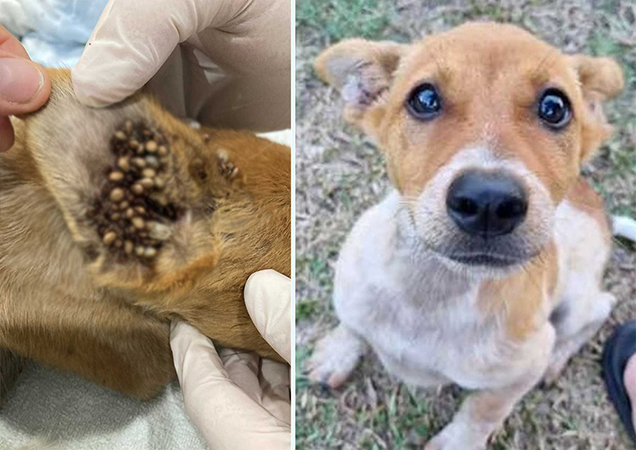
Over the past two weeks, Veterinary Specialist Services has seen a sharp rise in cases of tick paralysis in dogs and cats. This life-threatening condition is caused by Ixodes holocyclus, more commonly known as the Australian paralysis tick. These ticks inject a powerful neurotoxin that can quickly lead to paralysis and even death if not treated promptly.
Interestingly, native Australian wildlife such as bandicoots and possums are relatively resistant to the toxin. They act as reservoir hosts, carrying paralysis ticks without showing any signs of illness. Unfortunately, this means they can introduce ticks into our backyards, parks, and bushland, putting our beloved pets at risk.
When is Tick Season?
The prevalence of paralysis ticks often depends on seasonal weather patterns. Officially, tick season runs from September through to February, but in South East Queensland, veterinarians frequently treat cases earlier in the year and even all year round. Small bursts of rain followed by warm weather can trigger an increase in tick activity, leading to more cases of tick paralysis in pets.
Symptoms of Tick Paralysis in Pets
The neurotoxin produced by paralysis ticks affects muscles that are under conscious control. This includes muscles responsible for walking, swallowing, breathing, and even blinking. Common symptoms of tick paralysis in dogs and cats include:
Weakness or paralysis, starting in the hindlimbs and progressing forward
Ataxia (wobbly or uncoordinated walking)
Difficulty breathing
Changes to bark, meow, or voice
Vomiting or regurgitation
Loss of ability to blink
Because the toxin can paralyze the muscles needed for breathing, animals may deteriorate rapidly and suffocate if left untreated. Another serious complication is aspiration pneumonia, which occurs when swallowing muscles fail and food or liquid enters the lungs.
Lucky’s Story: A Jack Russell’s Battle With Tick Paralysis
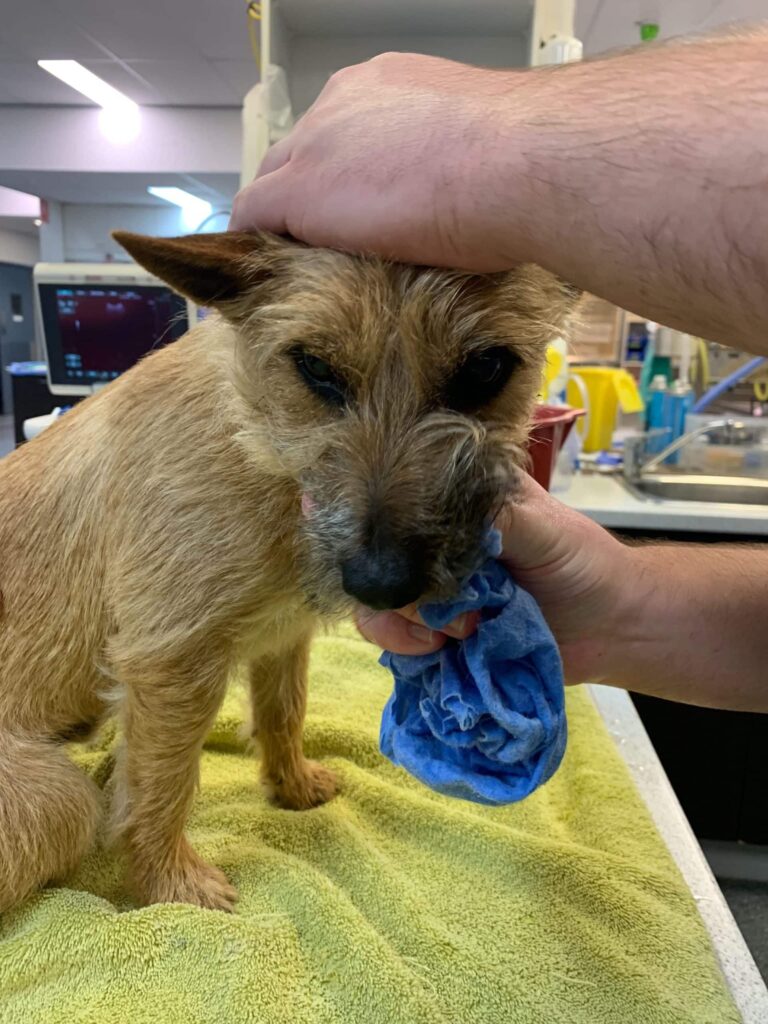
Meet Lucky, a four-year-old Jack Russell Terrier who recently survived a frightening encounter with tick paralysis. Lucky collapsed during a walk and began vomiting at home. By the time he reached the Animal Emergency Service in Carrara, his breathing had worsened, requiring immediate life support ventilation.
He received tick antiserum and intensive care from the Veterinary Specialist Services team. His fur was shaved to allow veterinarians to thoroughly search for additional ticks, as pets often have more than one attached. After four days of round-the-clock monitoring and treatment, Lucky made a remarkable recovery and was discharged home, ready to return to his playful self.
Preventing Tick Paralysis in Dogs and Cats
The good news is that tick paralysis is preventable. Today, there are multiple tick prevention products available in the form of oral tablets, spot-on treatments, and collars. These products are highly effective in reducing the risk of paralysis tick infestations.
To protect your pets:
Use year-round tick prevention as recommended by your veterinarian
Regularly check your pet’s coat, especially after walks in grassy or bushland areas
Keep your yard tidy and reduce long grass where ticks may hide
Act quickly if you notice any symptoms of tick paralysis
Final Thoughts
Tick paralysis in dogs and cats is a serious, potentially fatal condition, but with vigilance and proper prevention, it is largely avoidable. If you suspect your pet has been affected, seek veterinary attention immediately. Early detection and treatment can save lives. Speak with your local veterinarian about the best tick prevention options to ensure your furry family members stay safe and healthy.
Cane toad poisoning is a serious risk for pets and wildlife in Australia. Among the world’s most poisonous animals, the canetoad poses one of the greatest dangers, especially during the warmer months across Queensland and northern Australia. The giant tropical cane toad was introduced to control sugar cane beetles but has since become a major pest. These toads release a potent, fast-acting toxin from glands near their neck, and this cane toad toxin is hallucinogenic and highly dangerous when licked or bitten.
How Does Cane Toad Poisoning in Dogs Occur?
Cane toad poisoning in dogs happens when a dog bites, licks, or mouths a cane toad. The toad releases its toxic secretion from glands behind the neck, which sticks to the dog’s gums and tongue. This cane toad toxin is quickly absorbed through the mouth membranes, making it highly dangerous. The severity of symptoms depends on how much toxin is absorbed and how long it remains in contact.
Signs of Cane Toad Poisoning in Dogs
The symptoms of cane toad poisoning in dogs can appear within minutes and may become life-threatening if untreated. Common signs include:
Excessive drooling, salivation, or frothing at the mouth
Bright red, slimy gums
Pawing at the mouth or face
Vomiting and nausea
Disorientation and unsteady movements
Shivering, muscle tremors, or spasms
Convulsions or seizures
Extremely rapid or irregular heartbeat
In severe cases, death from cane toad poisoning
What to Do if Your Dog Licks a Cane Toad
If your dog comes into contact with a cane toad, quick action can make a big difference. Gently rinse your dog’s mouth with running water, keeping their head angled downward so they don’t swallow more toxins. Keep them as calm and still as possible while you monitor for symptoms like drooling, shaking, or vomiting. Avoid trying home remedies such as inducing vomiting, as this can worsen the situation. The most important step is to get in touch with a veterinarian right away for professional treatment.
Pro Tip: Keep Fleamail.com.au pet medications on hand for emergencies so you’re always prepared to act fast when your pet needs care.
Prevention Tips – How to Keep Your Dog Safe
Supervise dogs at night – Cane toads are most active after dark, so keeping a close eye on your pet is one of the best ways of preventing cane toad poisoning.
Remove cane toads from your yard – Regular checks and safe removal help reduce exposure and protect your dog from cane toads.
Train the “leave it” command – Teaching your dog to avoid dangerous objects or animals can significantly lower the risk of cane toad poisoning.
Use deterrents and barriers – Outdoor lighting, fencing, or natural repellents can help keep cane toads away from areas where your dog plays.
Taking these precautions not only helps in preventing cane toad poisoning but also ensures you protect your dog from cane toads effectively.
Cane Toad Poisoning in Dogs – FAQs
1. How quickly do symptoms of cane toad poisoning appear in dogs?
Signs of cane toad poisoning in dogs can develop within 30–60 minutes of contact. In some cases, symptoms may show up within just a few minutes, while in others it may take hours. The severity and timing depend on the amount of toxin ingested, so if exposure is suspected, monitor closely and seek veterinary help immediately.
2. How long does cane toad poisoning last in dogs?
The effects of cane toad poisoning can range from mild to life-threatening, depending on your dog’s size and how much toxin was absorbed. Recovery time varies—some dogs may improve quickly, while others may need longer care. Always consult a vet to ensure the toxin is completely cleared from the body.
3. What is the treatment for cane toad poisoning in dogs?
There is no direct antidote for cane toad toxin. First aid focuses on flushing your dog’s mouth with running water (head angled down). If symptoms appear, vets provide supportive care such as IV fluids, medications to protect the heart and lungs, and treatment for neurological effects. Immediate rinsing and contacting your vet is the best action.
4. Can cane toad poisoning kill a dog?
Yes. If a dog absorbs enough toxin, cane toad poisoning can be fatal. This is why early intervention and urgent veterinary care are critical for survival.
5. What happens if my dog eats a cane toad?
Eating a cane toad is even more dangerous than licking one because the toxin enters the system faster. If your dog bites or swallows a cane toad, treat it as a medical emergency and take them to a vet immediately.
6. What should I do if I find a cane toad in my backyard?
If you spot a cane toad, keep pets and children away from the area. Since cane toads are a declared pest in Australia, you can safely remove them. Many councils offer guidance or connect you with professional cane toad removal services.