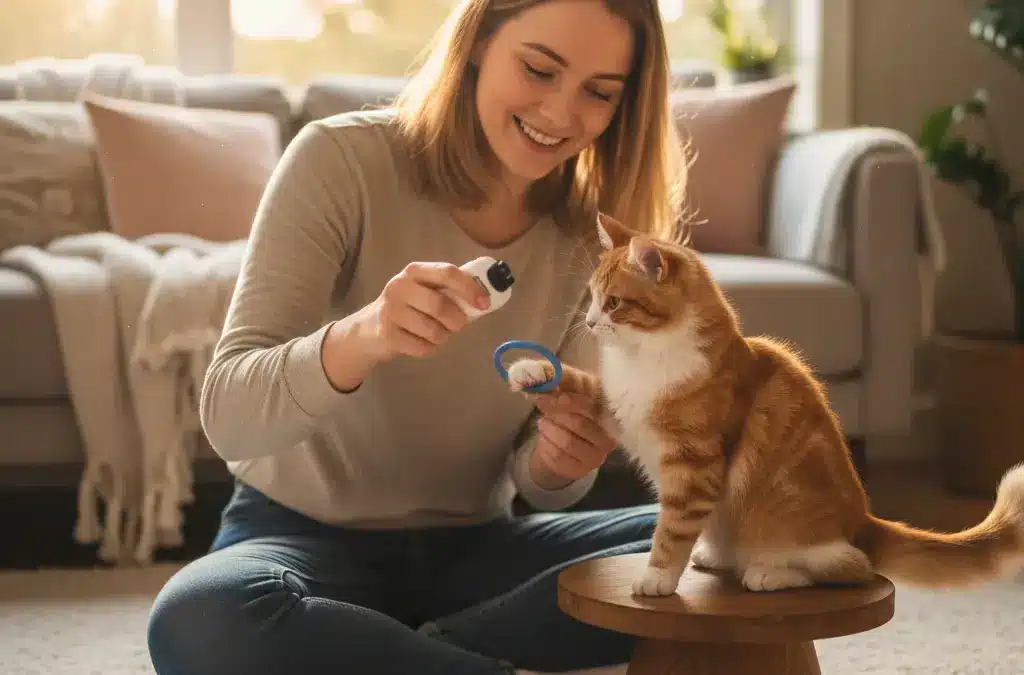
Training a cat may sound challenging, especially to new pet owners who assume cats are independent and uninterested in learning. However, cats are highly intelligent, observant, and capable of learning routines, commands, and positive behaviors. In fact, understanding how to train cats not only improves their behaviour but also strengthens the relationship between you and your feline companion.
While dogs receive a large portion of attention in the training world, cats learn in their own unique ways. When you understand their instincts, motivations, and fears, training becomes easier, more enjoyable, and far more effective. This guide explains everything you need to know about training cats—from natural feline behaviour to training techniques, problem-solving, and the importance of having reliable support during the process.
Cat Training Matters More Than Most People Realize
Many people believe cats cannot be trained, but this is a common misconception. Cats learn through patterns, rewards, environmental cues, and consistent positive reinforcement. Furthermore, effective training provides many benefits, including:
Strengthening the Bond: Building trust between the owner and the cat.
Encouraging Good Habits: Preventing destructive behavior before it starts.
Mental Stimulation: Improving cognitive health for indoor pets.
Confidence Building: Helping shy or anxious cats feel more secure.
Safety: Ensuring cats respond to cues both inside and outside the home.
Learning how to train cats helps create a peaceful environment for everyone in the home. Training also plays a role in reducing risks, which is why many owners choose to protect their pets with a reliable insurance plan to cover any unexpected mishaps during active play or learning.
Understanding Feline Behaviour Before Beginning Training
Before any training begins, it is important to understand how cats think. Cats rely heavily on their instincts and sensory experiences. Key natural behaviours include:
Territorial Nature: Cats claim their space; therefore, changes in the environment can cause stress.
Curiosity: Cats explore constantly, a trait that can be used positively during training.
Independence: Cats learn best when training respects their space. Forced training will not work.
Understanding these principles allows you to train in a way that aligns with your cat’s natural instincts. For additional reference, you may visit established animal welfare resources like the ASPCA Cat Care guide.
Essential Principles of How to Train Cats
Cat training is most effective when built around positive reinforcement and consistency. Punishment or force never works with felines; instead, it damages trust and increases stress.
Principle
Action
Positive Reinforcement
Reward with treats or affection immediately after the behavior.
Consistency
Use the same command words and gestures every time.
Routine Building
Cats respond well to predictable patterns and schedules.
Short Sessions
Cats learn best in short, frequent bursts rather than long sessions.
Avoid Punishment
Punishing a cat encourages hiding or aggression.
Step-by-Step Training Methods That Actually Work
1. Litter Box Training
While most cats learn this naturally, kittens may need guidance. Place the box in a quiet spot, keep it clean, and reward your cat after successful use.
2. Coming When Called
Use your cat’s name consistently during feeding times. Repeat a specific word, like “come,” in a positive tone before providing a reward.
3. Scratching Post Training
Place scratching posts near furniture they are tempted to use. You can use catnip or toys to encourage them to scratch the post instead of your upholstery.
4. Crate Training
Introduce the carrier slowly and keep it in a common area. Feed your cat inside the crate to build a positive association, ensuring vet visits become less stressful.
Common Training Challenges and Solutions
Even with the best techniques, challenges can arise. Here is how to handle them:
Aggression: This often stems from fear or overstimulation. Redirect the behaviour to toys and avoid rough play with your hands.
Night-time Meowing: Often caused by boredom. Increase daytime play and provide puzzle feeders to keep them occupied.
Litter Box Refusal: Ensure the box is cleaned regularly and address any environmental stress triggers.
Feline Psychology
Veterinary experts emphasize that patience is the key to successful cat training. Because cats do not respond to force, they learn best through encouragement and repetition. Training is not just about “tricks”; it is an investment in their mental health and your long-term relationship. If your cat suddenly stops responding to training or shows signs of distress, it is always wise to rule out underlying health problems.
Training Cats the Right Way
Knowing how to train cats is a rewarding journey that creates harmony and trust. By using positive reinforcement and providing a supportive environment and requirements, even the most independent cats can learn good habits. Pairing your training efforts with a solid health plan ensures you are prepared for every stage of your cat’s growth and wellbeing.
Reliable Pet Insurance Support for Cat Owners in Australia
In Australia, many households consider cats to be essential companions that bring comfort and joy into the home. However, while these animals are beloved members of the family, they remain susceptible to sudden illnesses and unexpected accidents. As veterinary medicine becomes increasingly sophisticated, the associated costs for specialized treatments continue to rise, which is why having a reliable insurance strategy is more important than ever. Accessing simple and dependable insurance support allows pet owners to navigate these rising costs effectively.
Cat owners frequently encounter challenges such as unpredictable veterinary bills, emergency medical situations, and chronic health conditions. Insurance support helps to alleviate this financial pressure so that the primary focus remains on the animal’s recovery and wellbeing. By understanding the specific needs of feline health, owners can ensure their pets have protection for the future.
Understanding Modern Pet Insurance Support
Pet insurance providers in Australia strive to offer clear and straightforward coverage for cats and dogs. The goal is to make the process easy to understand by avoiding confusing terms or unnecessary complications. Many people prioritize transparency, quick claims processing, and reliable support during medical emergencies when choosing a provider.
Because specialized insurers focus entirely on animals, they can ensure that pets receive the exact type of coverage required for their specific biology. By addressing the real-world problems faced by owners, these insurance solutions offer practical help for everyday challenges. Furthermore, a user-friendly approach—including simple website navigation and clear coverage explanations—helps build a strong reputation for supporting families when it truly matters most.
Why Feline Insurance is a Critical Priority
There is a common misconception that cats are low-maintenance pets, but they are actually experts at hiding signs of illness until a condition becomes quite serious. Consequently, when a health emergency finally becomes visible, treatment is usually urgent and potentially expensive.
Several factors contribute to the necessity of coverage:
Sudden illnesses: Cats can develop vomiting, infections, or organ issues quite rapidly, requiring diagnostic imaging and specialized medication.
Accidents: Curious cats may ingest harmful objects or suffer injuries from falls or play.
Chronic diseases: Long-term management is often required for conditions such as allergies, kidney issues, dental disease, and diabetes.
Financial peace of mind: Insurance allows for immediate action during an emergency rather than causing a delay due to cost concerns.
According to data from animal welfare organizations, many illnesses escalate when treatment is delayed for financial reasons. Therefore, having a plan in place ensures timely care without hesitation.
Common Health Issues Requiring Veterinary Care
Cats are prone to several specific health issues that necessitate professional intervention. For example, digestive problems like constipation or a loss of appetite are significant warning signs. Additionally, urinary tract issues can become life-threatening within a matter of hours, particularly in male cats. Other common concerns include skin allergies, ear infections caused by mites or bacteria, and dental diseases that may require extractions.
In these scenarios, every moment is critical. When a cat is struggling to breathe or is suddenly lethargic, immediate treatment is vital. Insurance provides the financial confidence to make these fast decisions. By reducing the pressure of veterinary bills, owners can prioritize safety. Medically necessary treatments such as X-rays, blood tests, and surgery are much more accessible when the financial burden is shared.
Exploring the Components of a Care Plan
A comprehensive care plan is designed to support owners through both routine check-ups and emergency situations. Typical coverage includes:
Accident Care: This addresses injuries such as fractures, sprains, or the ingestion of foreign items.
Illness Coverage: This protects against respiratory problems, digestive issues, and infections.
Diagnostic Testing: This covers the costs of lab analysis, ultrasounds, and X-rays.
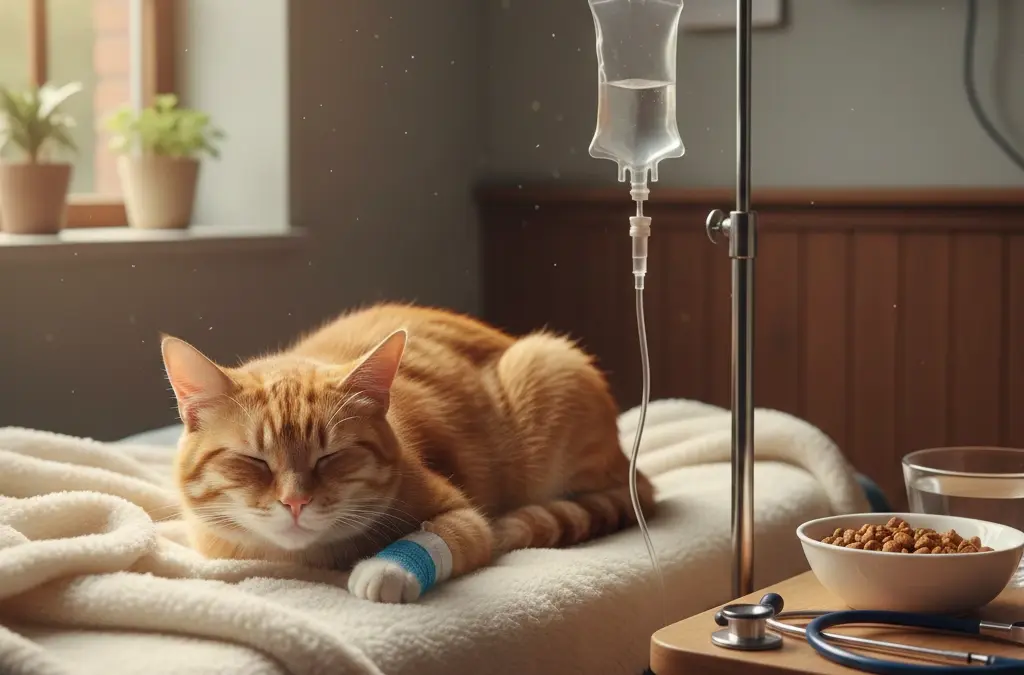
Emergency Procedures: This includes hospitalization and fluid therapy.
In real-life situations, such as when a cat swallows a string or develops a sudden allergic reaction, these plans ensure that the animal receives necessary care without creating a household financial crisis.
Selecting and Maintaining Feline Health
Choosing the right insurance plan should feel simple. Key factors to consider include the clarity of the coverage, the ease of the claims process, and whether the plan supports long-term chronic conditions. It is important to find a plan that provides meaningful value and reliability.
In addition to insurance, preventive care is a vital component of a cat’s health. Pet owners should follow these steps to reduce future veterinary needs:
Providing high-quality nutrition and maintaining proper hydration.
Scheduling yearly veterinary check-ups and keeping vaccinations updated.
Using consistent flea and tick preventatives.
Monitoring for any subtle changes in behavior or activity levels.
Expert veterinary advisors often note that unexpected illnesses can place owners under significant emotional pressure. Reliable insurance helps remove these barriers, allowing the focus to remain on the bond between the owner and the pet. Ultimately, planning ahead with a trusted insurance choice ensures a more secure and healthy future for feline companions across Australia.
Caring for a dog is one of the most rewarding experiences in life. Dogs provide love, companionship, protection, and endless joy; however, with this bond comes a significant responsibility. Understanding how to care for dogs in a way that keeps them healthy and safe is essential for every pet owner.
While many focus on basic needs like feeding and walking, true dog care is comprehensive. It includes emotional support, routine veterinary checkups, consistent training, and financial preparedness for emergencies. This is why many responsible pet parents prioritize having a solid care plan to stay prepared for sudden accidents or illnesses.
Why Proper Dog Care Matters More Than You Think
Your dog depends on you entirely for their wellbeing. Because they cannot communicate when they feel anxious, dehydrated, or in pain, their health relies fully on your awareness and daily choices. Proper dog care ensures:
A Longer Lifespan: Preventive care adds years to a dog’s life.
Better Behavior: A healthy, engaged dog is less likely to develop stress-driven habits.
Stronger Immunity: Consistent nutrition and medical care reduce the risk of illness.
Emotional Bonding: Shared activities build a foundation of trust.
When you understand how to care for dogs correctly, you can often prevent health issues before they become serious emergencies.
Understanding Your Dog’s Basic Needs
Dogs thrive when their foundational needs are met consistently. Regardless of breed or size, every dog requires:
Quality Nutrition: Balanced diets rich in protein and essential vitamins.
Hydration: Constant access to fresh water to prevent urinary and digestive issues.
Physical Exercise: Daily activity to maintain fitness and relax the mind.
Mental Enrichment: Puzzles and training to prevent boredom-driven destruction.
Grooming: Regular brushing, nail trimming, and ear cleaning.
Routine Vet Checkups: Early detection of issues through professional exams.
Comfort & Safety: A clean, calm environment with safe toys.
Common Challenges Dog Owners Face
Even the most attentive owners deal with everyday challenges. Understanding these problems helps you take better action:
Anxiety and Stress: Often caused by loud noises, separation, or new environments.
Destructive Boredom: A bored dog may resort to chewing, barking, or digging.
Dietary Issues: Rapid eating can cause bloating, while overfeeding leads to obesity.
Sudden Illness or Injury: Issues like infections, vomiting, or accidental injuries during play can occur without warning.
Solving these problems requires consistency and, at times, professional care. Consequently, having pet insurance provides a financial safety net when these unexpected situations arise.
Nutrition, Exercise, and Hygiene
The Foundation of Diet Food is the bedrock of health. It is best to choose high-quality food appropriate for your dog’s age and avoid harmful items like chocolate, grapes, or cooked bones. If you are changing their diet, always transition new food slowly to avoid digestive upset.
Mental and Physical Stimulation Exercise strengthens the heart and brain. In addition to walks, use sniffing games or obedience tasks to tire your dog mentally. A mentally satisfied dog is generally much calmer and less restless at home.
Grooming Essentials Grooming is a vital part of how to care for dogs. Weekly brushing, regular nail trims, and dental care prevent painful mats and skin infections. Neglecting these areas can lead to expensive vet visits that are otherwise entirely preventable.
The Importance of Veterinary Care and Insurance
Routine vet visits are the most important part of pet care, covering vaccinations, parasite protection, and dental checkups. However, medical costs can rise quickly during emergencies.
This is where a dedicated care plan becomes essential. Insurance provides:
Treatment Freedom: The ability to choose the best care based on health needs rather than cost.
Faster Decision-Making: Eliminating delays caused by financial stress during a crisis.
Comprehensive Coverage: Protection for everything from minor infections to major surgeries.
Being a responsible dog parent means preparing for the unexpected. A solid Dog Care Plan ensures that whether your pet experiences a sudden illness, a play-related injury, or age-related medical needs, they receive timely care without hesitation.
Everyday Tips for a Better Life
To improve your daily routine, maintain a consistent feeding schedule, keep water bowls clean, and rotate enrichment toys to keep them interesting. Most importantly, provide consistent love and attention—it is the simplest way to support your dog’s emotional health.
Final Thoughts – Protection and Love
Learning how to care for dogs is the best gift you can give your companion. A combination of proper physical care and emotional support leads to a joyful life. Because emergencies can happen at any time, pairing your daily efforts with a reliable care plan ensures your dog is always protected.e care they deserve.
Pet insurance has become a fundamental component of responsible ownership due to the rising costs of veterinary medicine and the unpredictability of medical emergencies. As diagnostic tools and treatment options improve, the financial requirements for high-quality care have increased. Having a structured coverage plan allows owners to make medical decisions based on clinical needs rather than financial constraints.
The Role of Insurance in Modern Veterinary Care
The primary purpose of pet insurance is to mitigate the financial impact of sudden illnesses and accidents. Veterinary care involves various specialized services that can accumulate significant costs during a single visit:
Diagnostics: X-rays, blood panels, ultrasounds, and laboratory tests required to identify underlying issues.
Emergency Treatments: IV fluids, overnight hospitalization, and immediate surgical interventions for injuries or blockages.
Medications: Antibiotics, pain relief, and long-term treatments for chronic conditions.
Without coverage, these expenses can lead to delayed treatment or the depletion of personal savings. Insurance provides a buffer that ensures a pet receives timely care during critical moments.
Common Medical Scenarios Requiring Coverage
Pets are susceptible to a wide range of health issues that often occur without warning. Insurance is designed to cover several key categories:
Gastrointestinal Distress
Conditions such as persistent vomiting and diarrhea are among the most frequent reasons for urgent vet visits. These often require diagnostic testing to rule out infections, toxicity, or obstructions.
Accidental Injuries
Physical trauma from falls, cuts, or the ingestion of foreign objects can happen to even the most well-supervised pets. These situations usually require immediate imaging and potentially emergency surgery.
Chronic and Age-Related Conditions
Long-term health issues like arthritis, diabetes, skin allergies, and recurring ear infections require ongoing management. For senior pets, insurance helps manage the increased frequency of vet visits associated with aging.
Evaluating a Coverage Plan
When selecting a medical plan for a pet, it is important to look for several standard features that ensure the policy is functional and reliable:
Comprehensive Inclusion: A standard plan should cover both accidents and a wide variety of illnesses.
Claim Efficiency: The process for submitting and receiving reimbursement should be streamlined to avoid added stress during a medical crisis.
Support for Chronic Care: Ensuring the plan covers long-term treatments for conditions that do not resolve quickly.
Transparency: Policy terms regarding limits, excess, and exclusions should be clearly defined.
Integration of Prevention and Protection
While insurance handles the unpredictable, daily preventive care remains the first line of defense in maintaining pet health. Consistent habits can reduce the likelihood of making a claim:
Consistent Parasite Control: Regular treatments for fleas, ticks, and worms prevent many common infections.
Nutritional Management: Providing a balanced diet to prevent obesity-related complications.
Routine Check-ups: Annual veterinary exams allow for early detection of shifts in health.
Environmental Safety: Keeping the home free of toxic plants and hazardous household items.
By combining proactive wellness habits with a reliable insurance plan, owners can ensure their pets have access to necessary medical support throughout every stage of their lives. yourself the peace of mind you need.
Few things worry dog owners more than seeing their pet uncomfortable or sick. Diarrhea is one of the most common digestive upsets in dogs, and while it often clears on its own, it can sometimes indicate something more serious. Therefore, you have to know about how to treat diarrhea in dogs.
This guide explains how to treat diarrhea in dogs safely at home, when to seek veterinary help, and how having a reliable pet insurance plan can protect you from sudden vet bills.
Understanding Dog Diarrhea – What’s Normal and What’s Not
A single loose stool may not be a cause for alarm. Dogs sometimes experience mild stomach upset from small dietary changes or scavenging. However, ongoing or watery diarrhea can lead to dehydration and nutrient loss.
Recognizing what’s normal for your dog helps you act quickly. Occasional soft stool for a day or two is often harmless, but repeated bouts, blood, or lethargy mean it’s time to look deeper.
Common Causes of Diarrhea in Dogs
Diarrhea can result from dozens of triggers. The most frequent include:
Sudden diet changes: Switching brands or introducing new food too quickly.
Human food or table scraps: Fatty leftovers or dairy often cause upset.
Parasites: Worms, giardia, or coccidia irritate the intestines.
Infections: Bacterial or viral infections like Salmonella or parvovirus.
Stress: Travel, new environments, or loud noises affect digestion.
Underlying conditions: Pancreatitis, liver disease, or IBD (Inflammatory Bowel Disease).
Because so many factors are involved, monitoring the duration, frequency, and accompanying symptoms is key.
When to Worry – Signs It’s Time to See a Vet
Mild diarrhea usually resolves within 24–48 hours, but you should call your vet immediately if you notice:
Blood or dark tar-like stool
Vomiting alongside diarrhea
Refusal to eat or drink
Weakness, fever, or sunken eyes
Diarrhea lasting beyond two days
Young puppies, senior dogs, and toy breeds dehydrate quickly and need prompt care. Early veterinary attention prevents complications. For clinical guidelines, resources can help you understand more about how to treat diarrhea in dogs.
Safe At-Home Remedies for Mild Dog Diarrhea
If your dog is otherwise bright and active, gentle home care can help the gut recover.
Give Their Digestive System a Rest: Withhold food for 10–12 hours (keep water available) to calm inflammation. Afterward, feed small portions of bland food like boiled chicken and rice.
Hydrate Generously: Always provide clean water. In addition, you can offer low-sodium chicken broth to replace fluids.
Add Pumpkin or Probiotics: Plain canned pumpkin adds soluble fiber that firms stool, while probiotics restore healthy gut bacteria.
Feed Smaller Meals: Multiple small meals are gentler than one large portion. Resume your dog’s regular diet gradually over two days.
Monitor Closely: Track stool consistency and appetite. If symptoms worsen, contact your vet.
What to Expect at the Vet
For persistent diarrhea, vets may perform diagnostic tests such as stool analysis to check for parasites or blood tests to identify organ problems. Furthermore, they may use imaging like X-rays to detect blockages. Professional care ensures an accurate diagnosis.
How Pet Insurance Eases Unexpected Vet Bills
Even responsible owners can’t prevent every illness, and a simple stomach issue can become an emergency overnight. Consequently, pet insurance ensures you can authorize tests and treatment without hesitation.
Benefits of Coverage Include:
Reimbursement for diagnostic tests, medications, and hospitalization.
Financial relief during accidents or sudden illnesses.
Peace of mind to focus on your dog’s recovery instead of the costs.
Comprehensive Protection for Your Dog
A special plan offers protection for Australian dog owners seeking reliable, affordable coverage.
Key Features:
Covers accidents, illnesses, and digestive issues like diarrhea.
Fast claims process with clear communication.
Adjustable coverage levels for both small and large breeds.
Works with veterinarians nationwide.
By securing a plan, you can access top-tier veterinary care without the financial strain.
Preventing Future Digestive Issues in Dogs
Prevention keeps your dog healthy and saves stress later. Consider these simple habits:
Introduce diet changes gradually over 5–7 days.
Avoid table scraps and fatty treats.
Maintain routine deworming and flea control.
Keep trash and toxic foods out of reach.
Schedule regular checkups to protect long-term health.
Final Thoughts – Stay Prepared, Stay Protected
Diarrhea in dogs can range from a mild nuisance to a sign of serious illness. In conclusion, acting quickly, supporting hydration, and seeking veterinary help when needed will keep your dog comfortable and safe. You can’t always prevent sickness, but you can be financially prepared. A solid insurance plan covers the unpredictable moments of pet ownership so you never have to choose between your dog’s health and your wallet.
How to Treat Diarrhea in Cats and When to Call the Vet
Every cat owner knows the sinking feeling of finding that unpleasant surprise in the litter box — loose or watery stool. While occasional digestive upset isn’t always serious, diarrhea in cats can quickly become a sign of deeper issues. Therefore, it is important to understand how to treat diarrhea in cats.
If your cat suddenly has diarrhea, don’t panic. The goal is to understand the cause, offer safe relief at home, and know when professional help is needed.
In this guide, we’ll explain how to treat diarrhea in cats effectively. We will also discuss why having a reliable pet plan can make these situations far less stressful.
Understanding Cat Diarrhea – Why It Happens
Diarrhea in cats can occur for many reasons, ranging from something simple like a diet change to more serious health conditions. Identifying the cause helps you decide whether home treatment is enough or if your cat needs veterinary care.
Common Causes of Cat Diarrhea:
Dietary changes: Sudden shifts in food brands or ingredients can upset the stomach.
Food intolerance or allergies: Ingredients like dairy or certain proteins can trigger a reaction.
Parasites: Worms, giardia, and other parasites can cause chronic issues.
Infections: Bacterial or viral infections often lead to watery stools.
Stress: Cats are sensitive; moving or new pets can cause digestive distress.
Toxins: Consuming spoiled food or certain plants can irritate the system.
Underlying diseases: Conditions like hyperthyroidism or IBD (inflammatory bowel disease).
Because cats hide pain and discomfort well, recurring diarrhea can often signal an issue that shouldn’t be ignored.
When Is Cat Diarrhea Serious?
Mild diarrhea that lasts less than 24 hours may resolve on its own. However, some signs suggest the problem is more serious and requires immediate veterinary attention.
Warning Signs to Watch For:
Diarrhea lasting longer than 48 hours.
Blood or mucus in the stool.
Vomiting or a total refusal to eat.
Signs of dehydration, such as dry gums, sunken eyes, or lethargy.
Sudden weight loss or a dull coat.
If you notice any of these symptoms, contact your vet immediately. In fact, cats can become dangerously dehydrated very quickly, especially kittens and senior cats.
Safe At-Home Remedies for Mild Cat Diarrhea
If your cat’s diarrhea is mild and there are no serious symptoms, there are a few things you can do at home to help soothe their digestive system.
Give Their Stomach a Rest: Withhold food for 10–12 hours (but never water) to let the system reset. Afterward, reintroduce small portions of bland food.
Keep Them Hydrated: Diarrhea causes fluid loss. Encourage drinking by providing fresh water; furthermore, a bit of tuna water (in spring water) can help increase hydration.
Feed a Bland Diet: For 24–48 hours, offer boiled chicken or plain pumpkin puree to help firm stools.
Try Probiotics: Pet-safe probiotics restore healthy gut bacteria and can help prevent future episodes.
Monitor the Litter Box: Regular cleaning helps you track consistency and notice improvement faster.
What Your Vet May Recommend
When diarrhea persists, your vet will likely run tests to find the cause. For example, they may perform a stool analysis to detect parasites or bloodwork to rule out metabolic causes. Additionally, X-rays or ultrasounds can check for intestinal inflammation.
How Pet Insurance Can Help When Your Cat Gets Sick
Even when you’re careful, illnesses like diarrhea can strike suddenly. Consequently, pet insurance ensures that your cat receives proper treatment without causing financial stress.
Why Coverage Matters:
It covers vet consultations, lab tests, and hospitalization.
It provides financial protection for both emergency and ongoing treatments.
It gives you peace of mind so you can focus on recovery, not the bill.
A short bout of diarrhea can sometimes turn into a costly vet visit if dehydration develops. That is why having a dedicated care plan is a smart move for responsible owners.
Comprehensive Protection for Your Cat
A quality health plan is designed with cat owners in mind, combining affordability with comprehensive coverage for everyday health concerns.
Plan Highlights:
Covers accidents, illnesses, and medical conditions like digestive disorders.
Features a fast and easy claims process.
Offers customizable levels of coverage to suit your cat’s specific needs.
Moreover, pairing good preventive care with an insurance plan ensures that even if something unexpected happens, you’re financially and emotionally prepared.
Preventing Diarrhea and Digestive Issues in Cats
Prevention is the best medicine. You can reduce the risk of digestive upsets by building healthy routines:
Introduce food changes slowly: Mix new food with old over 5–7 days.
Avoid human snacks: Most cats are lactose intolerant and shouldn’t have milk or table scraps.
Maintain deworming: Parasites are a leading cause of chronic issues.
Keep stress low: Provide quiet spaces and consistent daily routines.
Final Thoughts – Stay Prepared, Stay Protected
Dealing with diarrhea in cats can be stressful, but understanding the cause and taking quick action makes all the difference. In conclusion, most cases improve with simple home remedies, but some require professional care. Having a reliable insurance plan ensures your furry friend can get the care they need without financial strain.