When summer hits in Australia, keeping your dog cool and hydrated becomes a priority. Just like us, dogs love a refreshing snack on a hot day — and that’s where frozen dog treats come in. They’re fun, easy to make, and can help your pet beat the heat. However, not every frozen snack is safe or healthy. Some ingredients that seem harmless can lead to allergies, upset stomachs, or worse.
Frozen treats for dogs are trending for good reason. In fact, they are:
A great way to cool down dogs during hot weather.
Perfect for hydration, especially for breeds prone to overheating.
Helpful for boredom and anxiety, as the act of licking a frozen treat calms dogs.
Fun for bonding and rewarding good behaviour.
Whether it’s a frozen banana, a yoghurt cube, or a peanut butter pup-pop, these treats can make summer safer and happier for your dog.
Common Mistakes Owners Make with Frozen Dog Treats
While frozen snacks are healthy in moderation, there are a few common mistakes that can cause trouble. For example, using unsafe ingredients like chocolate or xylitol (a sugar substitute) is extremely dangerous, as these are toxic to dogs.
Additionally, overfeeding can be an issue; treats should make up less than 10% of your dog’s daily calorie intake. Furthermore, ignoring allergies to dairy or peanuts can trigger sensitivities. Finally, serving treats that are too hard or large can cause dental damage or choking, especially in small dogs. The key to a healthy snack is balance—safe ingredients, portion control, and close observation.
Safe & Healthy Ingredients for Homemade Treats
If you’re making treats at home, stick to dog-safe ingredients. Here are some healthy options:
Ingredient
Benefits
Tip
Banana
Potassium and fiber
Freeze mashed in silicone molds
Pumpkin puree
Helps digestion
Use 100% pure pumpkin only
Peanut butter
High in protein
Must be xylitol-free
Greek yoghurt
Calcium and probiotics
Avoid sweetened versions
Blueberries
Antioxidant superfood
Blend with water or yoghurt
Watermelon
Hydrating and low calorie
Use seedless cubes only
In contrast, you must avoid grapes, chocolate, onions, and garlic, as these can cause serious health issues. For extra creativity, you can explore more ideas from resources like PetMD for vet-approved recipes.
Simple DIY Frozen Dog Treat Ideas
Peanut Butter & Banana Pops: Blend 1 ripe banana, 2 tablespoons of xylitol-free peanut butter, and 1/2 cup of plain yoghurt. Freeze in ice cube trays overnight.
Berry Cool Cubes: Blend 1/2 cup of blueberries with 1/4 cup of low-fat yoghurt and a splash of water. Perfect for after a hot walk.
Note: While these are tasty, moderation is key to preventing digestive upset.
Hidden Risks – What Happens If Treats Go Wrong?
Even when you’re careful, things can go wrong. Maybe your dog reacts badly to an ingredient or swallows a large frozen chunk. Consequently, you should watch for symptoms like vomiting, loss of appetite, lethargy, or swelling.
If any of these occur, a vet visit is essential. However, unexpected consultations and treatments can be expensive. That is why having pet insurance matters; it gives you peace of mind knowing that if your dog reacts badly to food, you are covered for emergency care and medication.
Preventive Care and Perfect Protection
Think of it this way: healthy treats keep your dog happy, while insurance keeps them safe. By combining smart nutrition with a reliable insurance plan, you’re creating the perfect balance of prevention and protection. One reduces the risk, and the other reduces the cost when something unexpected happens. This is the hallmark of responsible pet ownership—keeping your pet healthy and your budget stable.
Keep It Cool, Keep It Safe
Frozen dog treats are a wonderful way to make your pet’s summer fun and refreshing. In conclusion, while they are a great treat, preparation is everything. Keep your frozen snacks safe and portioned, and back it all up with a trusted monthly plan for complete peace of mind. For more safety tips, you can also refer to the Australian Veterinary Association guidelines on dog nutrition.
Pets are often considered essential members of the family, providing laughter, comfort, and unconditional love. However, just like any other family member, they are susceptible to illnesses or injuries that can result in significant veterinary expenses. This reality highlights the importance of pet insurance, which serves as a vital tool to ensure that medical decisions are based on a pet’s health needs rather than financial constraints.
By securing a reliable insurance plan, owners can provide their companions with access to high-quality healthcare while maintaining their own financial stability. Whether for a cat, a small breed dog, or a large breed companion, these plans are designed to offer peace of mind during difficult times.
The Rising Cost of Pet Healthcare in Australia
Owning a pet in Australia is a rewarding experience, yet it comes with notable financial responsibilities. Veterinary care costs have risen steadily over the past few years, driven by advancements in medical technology and more sophisticated treatment options.
According to industry data, routine care can cost between $1,000 and $3,000 annually, while emergency surgeries or specialized procedures can easily exceed $5,000 to $10,000. Without a financial safety net, these costs must be paid entirely out of pocket. For instance:
Dental extractions can cost upwards of $2,000.
ACL surgery for a large dog can reach $7,000.
A single overnight hospital stay can result in a $1,200 bill.
In these moments, insurance functions as a critical financial buffer, allowing owners to focus on recovery rather than the total on the invoice.
Understanding Pet Insurance Coverage
Pet insurance is a financial protection plan designed to help cover unexpected veterinary costs arising from accidents, illnesses, or injuries. Much like health insurance for humans, a monthly premium is paid in exchange for the reimbursement of eligible medical expenses.
Standard coverage typically includes:
Accident and emergency care.
Treatment for illnesses and diseases.
Diagnostic tests such as X-rays, blood work, and scans.
Surgery and hospitalization.
Prescription medications.
Optional add-ons for wellness or dental care.
Why Insurance is Essential for Every Life Stage
It is a common misconception that insurance is only necessary for older pets. However, life is unpredictable, and even young, healthy animals can suffer from sudden injuries or illnesses.
Lack of coverage often leads to several difficult outcomes:
Financial Shock: A single serious accident can quickly deplete a household’s savings.
Limited Treatment Options: Without financial support, owners may be forced to choose less effective treatments due to budget constraints.
Emotional Stress: Navigating the choice between a pet’s care and a manageable bank balance is incredibly taxing.
Implementing a protection plan ensures that if the unexpected happens, the necessary resources are already in place.
Specialized Care for Large Breeds
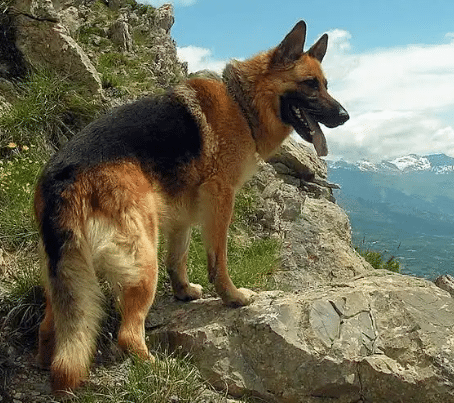
Large-breed dogs, such as German Shepherds, Golden Retrievers, and Rottweilers, have unique physiological needs and are often more prone to specific health conditions. Consequently, their veterinary bills can be higher due to the scale of treatments and medications required.
Common Health Issue
Estimated Cost
How Insurance Assists
Hip Dysplasia
$4,000–$7,000
Covers surgery and rehabilitation
Gastric Dilatation (Bloat)
$3,000–$6,000
Supports emergency surgery costs
Arthritis & Joint Care
$1,000+ annually
Helps with ongoing medication
Ligament Injuries
$5,000–$10,000
Covers surgical repair and recovery
Dedicated plans for larger dogs often include specific support for orthopedic treatments and specialist services, ensuring these strong companions receive the specialized care they require.
How to Choose the Right Plan
When evaluating insurance options, it is helpful to consider several key factors to find a fit for a pet’s specific lifestyle:
Coverage Type: Decide between accident-only plans or more comprehensive accident and illness coverage.
Reimbursement Percentage: Many plans offer between 70% and 90% reimbursement of eligible costs.
Annual Limits: Higher annual limits provide better protection against major emergencies.
Exclusions: Always review the policy for pre-existing condition clauses or breed-specific restrictions.
Value vs. Premium: Focus on the quality of coverage rather than just the lowest monthly cost to ensure the plan is functional when needed.
Expert Advice for Pet Owners
Veterinary professionals often suggest that the most effective time to secure insurance is while a pet is young and healthy. Obtaining coverage early typically results in fewer exclusions for pre-existing conditions and provides a longer history of protection as the pet ages.
By taking proactive steps today, pet owners can ensure that their cats and dogs have a clear path to medical support throughout their lives, fostering a long and healthy bond between the animal and the family.
💔 The Hidden Cost of Cuddles: Why Large Dog Owners Worry About Vet Bills
Large breeds like German Shepherds, Labradors, Great Danes, and Rottweilers are wonderful, but their anatomy makes them uniquely vulnerable to certain specific health issues. And when these problems arise, their treatment can be significantly more expensive than for smaller dogs due to their size and the complexity of procedures.
Here are some common large breed health issues that often lead to financial stress:
Hip and Elbow Dysplasia: This is consistently a top concern among large breed health issues. Surgical intervention can easily cost thousands of dollars, often requiring bilateral (both sides) procedures and extensive post-operative care.
Bloat (Gastric Dilatation-Volvulus – GDV): This is a life-threatening, critical emergency. If not treated immediately, it can be fatal. The cost for emergency surgery and intensive post-operative monitoring is substantial.
Arthritis and Joint Problems: The increased weight of large dogs puts extra strain on their joints. Long-term medication, pain management, and specialized care (like hydrotherapy or physical rehabilitation) can become a major recurring monthly expense.
Ligament Tears (ACL/CCL): Large, active dogs have a higher risk of cruciate ligament tears. The specialized surgery required to stabilize the joint is costly and often complex.
Facing such expensive treatments often leaves owners with two difficult choices: drain your savings completely, or—sadly—compromise on the quality of care. We know no pet owner ever wants to be in that position.
🎯 Fleamail.com.au’s Solution: Your Shield Against the Unexpected
This is where quality large dog insurance steps in as your essential safety net.
At Fleamail.com.au, we recognize that a pet insurance provider should be more than just a company; it should be a trusted partner. We provide reliable coverage tailored to the unique needs of your large dog, allowing you to make healthcare decisions based on what’s best for their health, not just what you can afford.
When you visit fleamail.com.au, we offer a straightforward, transparent way to protect your big friend from financial surprises. Our plans are designed so that when your dog is sick or injured, your sole focus can be on their recovery, not the looming vet bill.
🔎 Deep Dive into the “Protect Your Dog” Plan
Our “Protect Your Dog” plan is designed to meet the rigorous demands of large breed ownership. It covers the core of large dog insurance, focusing on the high-cost Accident and Illness coverage that large dogs need most:
Feature
Importance for Large Dogs
Accident Coverage
Essential for sudden injuries (like ligament tears and fractures) where treatment is typically expensive.
Illness Coverage
Provides financial help for chronic conditions like arthritis and life-threatening issues like bloat (GDV).
Coverage for Hereditary Conditions
Crucial for conditions like Hip and Elbow Dysplasia (provided they are diagnosed after the waiting period).
High Annual Limits
Mandatory because large dog surgeries and hospital stays incur significantly higher costs.
Our Protect Your Dog plan gives you that essential reassurance. For more information and to view your exact coverage options, we encourage you to visit our dedicated Large Dog Plan page immediately: https://fleamail.com.au/large-dog-plan/.
🐕 What Makes Large Dog Insurance Different? Focusing on Breed-Specific Needs
Large dog insurance differs significantly from small dog policies because it must account for the breed-specific insurance risks inherent to larger canines.
The medical needs of large breeds often require:
Specialized Orthopedic Surgeries: Due to their size and weight, surgeries for hip dysplasia and other joint issues often require specialized implants, equipment, and longer recovery times. This elevates the cost far beyond standard vet bills.
Higher Medication Dosages: Medication is dosed based on a dog’s weight. Large dogs require greater quantities of long-term medications, such as anti-inflammatories and pain management drugs, which directly results in higher costs over their lifetime.
Critical Emergency Access: Issues like Bloat require immediate, high-quality emergency care. Good insurance ensures you can prioritize the best emergency treatment without hesitation.
You need a plan tailored to your specific breed considerations (whether a Bernese Mountain Dog or a Boxer) that is financially prepared to handle these major, high-cost procedures. At Fleamail, we understand and address these breed-specific needs.
✅ Choosing Your Peace of Mind: Key Factors in a Large Dog Policy
When selecting a large dog insurance policy, don’t just look at the monthly premium. Consider these key factors to ensure you choose the best coverage for your giant companion:
Factor
What to Prioritize (For Large Dogs)
Annual Limit
Choose a high limit (or unlimited) policy. A single orthopedic surgery can easily covered
Reimbursement Rate
Opt for a higher rate (like 80% or 90%). This means you pay a smaller portion of the large bill out of pocket.
Deductible Option
Select a deductible (the amount you pay yearly before coverage begins) that aligns with your household budget.
Exclusions List
Carefully check what is not covered, particularly conditions like hip dysplasia or any existing pre-existing conditions before you enroll.
Wellness Options
If you are doing a pet insurance comparison for routine care (vaccinations, checkups), look for an optional wellness rider.
At Fleamail, we are committed to transparency. We clearly outline how our plans handle these critical factors so you can find the best fit for your large dog.
🚀 Your Next Step: Securing Your Large Companion’s Future with Fleamail
The loyalty and love of your large dog are priceless. Their hopeful eyes tell you they want nothing more than your love and safety.
Don’t leave their health subject to financial uncertainty. Purchasing large dog insurance is a proactive step, guaranteeing that you will always be able to provide them with the best medical care they deserve, regardless of the cost.
Act now. Don’t delay in reviewing the coverage and details of our renowned “Protect Your Dog” plan.
Visit Fleamail today to get a quote and secure your large dog’s future.
🐶 Dog Insurance in Australia: Why Every Pet Owner Needs It
Owning a dog brings endless joy, companionship, and laughter. However, it also comes with responsibilities — including protecting your pet’s health. One vet visit might be affordable, but what happens when your dog suddenly needs surgery, long-term medication, or emergency care? These unexpected costs can reach thousands of dollars.
That’s where dog insurance becomes a lifesaver. It gives you the confidence to provide your pet with the best care possible without worrying about financial strain.
At Fleamail.com.au, we make it easy for Australian pet parents to secure reliable coverage for their furry friends. Our Protect Your Dog Plan is designed to cover accidents, illnesses, and more — ensuring your dog always gets the care they deserve.
🩺 What Is Dog Insurance?
Dog insurance is similar to health insurance for humans. You pay a small monthly premium, and in return, your policy helps cover unexpected vet bills. This includes treatments for injuries, illnesses, surgeries, medications, and sometimes even preventive care.
Instead of stressing about money during an emergency, you can focus entirely on your dog’s recovery.
Here’s how it typically works:
You choose a plan that suits your dog’s needs.
You pay an affordable monthly premium.
When your dog needs treatment, visit any licensed vet in Australia.
Submit your claim online through Fleamail’s simple digital process.
Receive your reimbursement quickly and easily.
That’s all it takes to protect your pet — and your peace of mind.
🐕 Why Dog Insurance Is More Important Than Ever
Vet care in Australia has advanced significantly in recent years. Modern clinics now use high-tech diagnostic tools and treatments that save lives. However, these improvements also mean higher costs.
According to Pet Insurance Australia, the average vet visit can cost between $200 and $500, while complex surgeries can exceed $3,000. Chronic illnesses such as arthritis, diabetes, or skin conditions can add hundreds more in ongoing medication.
Without insurance, many pet owners find themselves forced to choose between financial stability and their dog’s health — a situation no one should face.
By investing in dog insurance, you can make medical decisions based on what’s best for your pet, not what’s affordable at the moment.
🩹 What Does Dog Insurance Cover?
Coverage varies depending on the plan, but most include the following:
🐾 Accidents and Injuries
Dogs love to explore, and sometimes that leads to mishaps. Whether it’s a sprained leg, a cut paw, or a swallowed toy, dog insurance covers treatment and recovery costs.
🐶 Illnesses
From infections to digestive issues and chronic diseases, illnesses are unpredictable. Insurance helps pay for tests, consultations, and medication.
🏥 Surgeries and Hospitalisation
Operations and overnight stays can be expensive. Insurance minimizes these costs, letting your dog recover without added financial stress.
💊 Medications and Diagnostic Tests
Modern vet care relies heavily on x-rays, ultrasounds, and prescriptions. Dog insurance ensures these essentials stay affordable.
🪮 Optional Preventive Care
Some plans offer additional coverage for flea, tick, and worm prevention, vaccinations, and dental cleanings — all crucial for long-term health.
For a full comparison of coverage types across providers, visit Canstar’s Pet Insurance Comparison to see how Fleamail competes among top Australian brands.
💭 Common Misconceptions About Dog Insurance
Many dog owners hesitate to buy insurance because of common myths. Let’s clear up a few:
“My dog is healthy — I don’t need insurance.” Even healthy dogs can get hurt or fall ill unexpectedly. Insurance helps you prepare before problems occur, not after.
“Dog insurance is too expensive.” Plans can cost as little as a weekly cup of coffee. Considering vet emergencies can reach thousands, it’s an affordable safeguard.
“The claim process is complicated.” Fleamail makes it simple. You can submit claims digitally and receive reimbursements fast, without hidden steps or confusion.
“It won’t cover what I need.” Fleamail’s Protect Your Dog Plan covers a wide range of conditions, treatments, and emergencies, giving you flexible protection.
Fleamail isn’t just another pet insurance company. It’s an Australian-owned and operated brand built by people who truly love pets. Our mission is to make pet care accessible, affordable, and stress-free for every Australian household.
Here’s why dog owners across Australia trust Fleamail:
🇦🇺 100% Australian-based support and service
💸 Affordable monthly premiums for all budgets
🩺 Comprehensive coverage for illness, injury, and medication
⚡ Fast, paperless claims through our online portal
🌏 Freedom to visit any licensed vet in Australia
🐾 A team that genuinely understands pet parents
At Fleamail.com.au, we keep things transparent, flexible, and focused on what matters most — your dog’s wellbeing.
💵 Real-Life Examples: How Dog Insurance Helps
Example 1: Emergency Surgery
A dog swallows a piece of plastic and needs urgent surgery costing $3,200. With Fleamail’s Protect Your Dog Plan, most of that bill is covered, saving the owner from a financial shock.
Example 2: Chronic Illness
A senior Labrador develops arthritis and requires ongoing medication. Insurance helps cover monthly treatments, keeping the pet comfortable and active.
Example 3: Unexpected Injury
A playful puppy sprains its leg during training. Thanks to insurance, the owner pays only a small fraction of the total vet bill.
These real-world scenarios show how insurance turns unexpected challenges into manageable moments.
🧭 How to Choose the Right Dog Insurance Plan
Choosing the right policy ensures your dog gets complete protection. Here’s what to consider:
Your Dog’s Age: Younger dogs are cheaper to insure.
Coverage Type: Decide between accident-only or comprehensive plans.
Claim Limits: Look for annual limits that fit your potential expenses.
Waiting Periods: Understand when coverage starts.
Exclusions: Review what’s not covered to avoid surprises.
To explore and compare plans from multiple Australian providers, visit Finder’s Pet Insurance Hub. It’s a great tool for understanding your options.
🌟 Why Fleamail’s Protect Your Dog Plan Stands Out
Our Protect Your Dog Plan is designed with flexibility in mind. Whether you have a playful puppy or a senior companion, you can choose a level of coverage that suits your dog’s unique needs.
You get:
Coverage for accidents, illness, and ongoing treatments
Fast claims process
Transparent policies
Support from an Australian-based team
It’s pet insurance made simple, affordable, and stress-free.
🐾 Conclusion: A Small Investment for Lifelong Protection
Your dog depends on you for love, care, and safety. But no one can predict accidents or illness. Dog insurance ensures you can always say “yes” to the best treatment — no matter the cost.
With Fleamail’s Protect Your Dog Plan, you can protect both your pet and your wallet. Enjoy peace of mind knowing that when life surprises you, your dog’s health is already covered.
Visit Fleamail.com.au today and explore flexible insurance options built by Australians, for Australians. Because every wag deserves protection. 💚
🐾 Cat Insurance in Australia: Why Every Cat Owner Needs It
Caring for a cat means preparing for the unexpected. Imagine this: your curious cat becomes ill or injures a paw while exploring. You rush to the vet, relieved that help is available. However, your relief fades when you see the bill. Veterinary treatment can cost hundreds or even thousands of dollars, leaving many pet owners stressed and unprepared.
That’s where cat insurance makes all the difference. It helps you manage unexpected expenses while ensuring your feline companion gets the best care possible. At Fleamail.com.au, we believe every pet deserves access to quality veterinary care without financial worry. That’s why our Protect Your CAT Plan provides affordable, flexible, and reliable protection for Australian cats.
Why Cat Insurance Matters
Cats are naturally curious creatures who love to explore, climb, and play. Unfortunately, that same curiosity can lead to injuries or illnesses. Beyond that, many cats develop hidden conditions such as kidney disease, dental problems, or diabetes — all of which require regular vet visits and ongoing medication.
According to the Australian Veterinary Association, veterinary costs in Australia continue to rise due to advanced diagnostics and better-quality care. One emergency can easily set you back thousands of dollars. With cat insurance, you can act quickly when your cat needs help instead of hesitating because of cost.
Moreover, having insurance encourages responsible pet ownership. It allows you to schedule routine checkups, vaccinations, and preventive care — catching small issues before they become major health problems.
What Cat Insurance Covers
A comprehensive insurance plan offers coverage for a wide range of health needs. Fleamail’s Protect Your CAT Plan includes both essential and optional coverages to suit your cat’s unique needs and your budget.
Accidents and Injuries
Cats can hurt themselves during play, fall from heights, or get into fights. Insurance covers treatments for broken bones, cuts, and emergency visits — giving you peace of mind when accidents happen.
Illnesses and Chronic Conditions
Conditions such as thyroid issues, infections, and diabetes can affect cats of any age. Insurance helps cover medications, vet visits, and tests needed for ongoing management.
Hospitalisation and Surgery
Surgeries and overnight hospital stays are among the most expensive aspects of pet care. Insurance significantly reduces these costs so your cat receives the care they need without delay.
Prescription Medications and Diagnostics
Blood work, x-rays, ultrasounds, and medications are essential for accurate diagnosis and treatment. Cat insurance ensures these services remain affordable.
Preventive Care Options
Some policies also include flea, tick, and worm prevention for all-around protection. Adding preventive care provides year-round safety and savings.
Many cat owners skip insurance because of myths or misunderstandings. Let’s debunk some of the most common ones.
Myth 1: “My cat is healthy, so I don’t need insurance.” Even the healthiest cats can fall ill or suffer accidents. Insurance helps you prepare before problems arise, not after.
Myth 2: “Cat insurance costs too much.” Basic plans can cost less than a few dollars a week. In comparison, a single emergency visit can cost hundreds.
Myth 3: “Indoor cats don’t need coverage.” Even indoor cats can develop illnesses like dental disease, urinary infections, or allergies. Coverage ensures you’re always prepared.
Myth 4: “The claim process is complicated.” With Fleamail, claims are fast and easy. You simply upload your invoice, submit your claim online, and get reimbursed quickly.
For further details on policy facts, Pet Insurance Australia offers valuable insights about common misconceptions.
How Cat Insurance Works
Understanding how cat insurance operates makes the decision simple. The process is straightforward and stress-free.
First, choose a plan that suits your cat’s lifestyle and your budget. Then, pay a small monthly premium to maintain coverage. When your cat needs medical care, visit any licensed vet in Australia. After treatment, upload your receipts through Fleamail’s online portal. Finally, receive your reimbursement directly into your account — fast and secure.
This simple process ensures your cat gets timely care while you enjoy financial peace of mind.
How Much Cat Insurance Costs in Australia
The cost of cat insurance depends on your cat’s age, breed, and the level of coverage. On average:
Accident-only plans range from $15–$25 per month
Comprehensive plans range from $30–$60 per month
While it may seem like an added expense, it’s a small price to pay compared to the thousands you could face in emergency bills. According to Mozo’s 2025 Pet Insurance Report, insured cat owners save significantly on long-term healthcare costs.
Fleamail offers flexible payment options, making it easy to choose a plan that fits your family’s needs.
Real-Life Examples of Why Cat Insurance Helps
Case 1 – Emergency Surgery A cat swallows a string, requiring immediate surgery costing $2,400. With Fleamail’s Protect Your CAT Plan, the treatment is covered, and the owner avoids financial stress.
Case 2 – Chronic Disease A senior cat is diagnosed with diabetes and needs regular insulin. Monthly costs of $150–$200 quickly add up, but insurance keeps expenses manageable.
Case 3 – Dental Care Advanced dental cleaning or tooth extractions can cost $800 or more. Cat insurance turns that big bill into a simple, affordable claim.
These real-world examples show how insurance transforms emergencies into manageable moments. For more comparisons, visit Choice Australia’s Pet Insurance Guide — it highlights how much pet owners save by choosing insurance early.
Why Cat Owners Choose Fleamail.com.au
Fleamail isn’t just another insurance company. It’s Australian-owned and operated, built by people who genuinely love pets. Our focus is transparency, affordability, and quality coverage that truly helps when you need it most.
Why Australian cat owners trust Fleamail:
🇦🇺 Locally owned and customer-focused
💚 Flexible and affordable monthly premiums
🩺 Comprehensive cover for accidents, illness, and medications
⚡ Fast, paperless claim process
🌏 Freedom to use any licensed vet in Australia
🐾 Friendly support team that understands pet parents
Our Protect Your CAT Plan makes it simple to protect your cat’s health while staying within budget.
How to Choose the Right Cat Insurance Plan
Choosing the right plan is easier than you think. Consider your cat’s age, breed, and general health. Decide whether you need accident-only or comprehensive coverage. Review claim limits, exclusions, and waiting periods carefully. Most importantly, choose a provider you can trust — one that prioritises clarity and care.
If you’d like to compare multiple options before deciding, Finder’s Pet Insurance Hub is an excellent tool for understanding what other insurers offer and how Fleamail stands out.
Conclusion: A Smart Way to Protect Your Cat
Cats bring endless joy, affection, and companionship. As responsible pet owners, it’s our job to protect them from life’s unpredictable moments. Cat insurance is not an expense — it’s an investment in your cat’s long-term health and happiness.
With Fleamail’s Protect Your CAT Plan, you gain financial stability, quick claims, and reliable support. Visit Fleamail.com.au today to explore flexible, affordable options. Every purr, nap, and playful leap deserves the protection of caring pet insurance — because peace of mind is priceless. 💚
Cats may not speak our language, but they communicate constantly — especially through their tails. Every flick, curl, and puff tells a story about what they’re feeling. Understanding cat tail signs isn’t just fascinating; it’s essential for every cat owner. By reading your cat’s tail language, you can understand their emotions, strengthen your bond, and even detect early signs of illness or discomfort.
However, sometimes a change in tail movement or position can signal more than just mood — it can point to injury, nerve issues, or stress-related conditions that need veterinary care. While vet visits are crucial, they can also be costly. This is why having a reliable pet health plan is important to help manage unexpected health expenses, ensuring your feline friend stays safe and covered.
Understanding Cat Tail Language
A cat’s tail acts like a barometer for their emotions and wellbeing. The tail helps with balance, communication, and even health indication. When your cat swishes, puffs, or curls their tail, they’re sending a clear message if you know how to read it.
According to animal welfare organizations like the RSPCA, understanding feline body language is key to improving your relationship with your cat and recognizing potential behavioural or medical problems early. Let’s decode what your cat’s tail is really saying.
Common Cat Tail Signs and Their Meanings
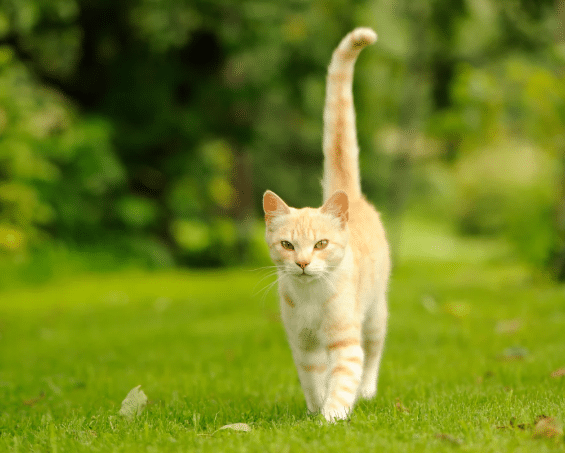
Tail Held High: A tail that stands tall and straight is a sign of confidence and happiness. Your cat feels safe and content, especially if the tip curls slightly like a question mark. This means they are comfortable and open to social interaction.
Tail Curved Like a Question Mark: When the tail forms a soft curve, it means they are playful and curious. It is an invitation to engage, so it is a great time to grab a toy and spend quality time together.
Tail Low or Between Legs: A low-hanging tail usually signals fear, anxiety, or submission. Cats do this when they feel threatened or unsure. In these moments, it is best to speak softly and remove any stress triggers.
Tail Puffed Up: If the tail suddenly puffs up like a bottlebrush, it is a sign of fear or aggression. The puffed tail makes them appear larger to ward off danger. It is important to give your cat space to avoid potential scratches or bites.
Tail Twitching Rapidly: A tail that flicks or twitches quickly is a sign of irritation or overstimulation. It is a polite way of saying they have had enough petting and would like to relax alone.
Tail Flicking Slowly: A slow flick or wave can mean focus or mild irritation. During hunting or stalking, this motion indicates deep concentration.
Tail Drooping or Limp: A tail that hangs limp or doesn’t move naturally can indicate pain, injury, or nerve damage. Cats may drag their tail after trauma or a fall, which requires urgent veterinary attention.
When Cat Tail Behaviour Indicates a Health Problem
Not every tail movement is about mood. Sometimes, unusual signs point to health issues such as tail fractures, nerve injuries, arthritis, or infections. If your cat’s tail seems stiff, swollen, or they react in pain when it is touched, you should not ignore it. These could be signs of underlying conditions that need professional care.
This is where having pet insurance becomes vital. A comprehensive plan helps you handle the unexpected without worrying about finances, covering accidents, illnesses, and treatment costs.
How Pet Insurance Supports Responsible Cat Ownership
Even the best pet parents cannot predict every health issue. While love, nutrition, and care keep your cat healthy, unexpected accidents can still happen. A dedicated health plan allows you to:
Cover vet bills for accidents and illnesses.
Receive support for diagnostic tests and surgeries.
Manage the cost of prescriptions and hospital stays.
Enjoy peace of mind knowing your pet’s health is protected.
While you learn to interpret your cat’s tail and emotions, having insurance ensures you are protected from the financial side of pet care.
Tips to Keep Your Cat’s Tail Happy and Healthy
To maintain tail health, always handle your cat with care and never pull or play roughly with their tail. Check regularly for swelling, cuts, or changes in movement. Providing high-quality food supports joint and nerve health, while a calm environment ensures they feel safe. Finally, routine check-ups with a vet can prevent small problems from becoming major issues.
Conclusion: Every Tail Movement Tells a Story
Your cat’s tail is more than just a cute feature — it is their emotional signal and an early warning system for health issues. By paying attention to these signs, you can understand your cat’s feelings and spot issues early. When health concerns arise, being prepared with a solid health care plan for your cat ensures you can provide the care they deserve from nose to tail.