Dog Wag: Why Every Dog Owner Needs Insurance for Their Pet’s Health and Wellness
As a pet owner, one of the most important things you can do for your dog is to protect their health and wellbeing. While we all want the best for our furry companions, unexpected medical emergencies can place a significant strain on both their health and our finances. The rising cost of veterinary care, particularly for large dogs, makes having dog insurance a crucial part of responsible pet ownership. This is where dog wag comes in—a smart solution to ensure your dog’s care is both affordable and comprehensive.
At FleaMail Australia, we offer a wide range of dog insurance plans, including tailored solutions for large dogs, to ensure that no matter the situation, your dog receives the care they need. Whether you’re facing an unexpected injury or routine health checks, our Dog Care Plan provides essential protection and peace of mind.
Why Dog Owners Need Insurance
For most dog owners, the joy of having a pet is unmatched. However, as your dog grows, so do their needs. With larger breeds come specific health concerns that require extra care and attention. Whether it’s hip dysplasia, joint problems, or other breed-specific conditions, large dogs are particularly susceptible to health issues that often require expensive treatments and procedures.
Additionally, dogs of all sizes can experience accidents, infections, or sudden illnesses, leading to unanticipated costs. Veterinary bills for emergencies, surgeries, diagnostic tests, and extended treatments can quickly add up. For pet owners without dog insurance, this can be a financial burden that may lead to difficult decisions about their pet’s care.
Having dog insurance ensures that you are prepared for these unexpected expenses. With the right coverage, you won’t have to compromise on the care your dog receives due to cost concerns. FleaMail Australia offers comprehensive dog insurance plans that provide financial protection, so you can focus on what really matters—your pet’s health.
How Dog Wag Provides Financial Security for Dog Owners
The concept of dog wag is more than just insurance; it’s about financial security for your pet’s health. Dog wag refers to the proactive approach of ensuring that your dog’s care is covered by a reliable insurance plan, protecting you from the high costs of veterinary care.
By securing a dog care insurance plan, you are essentially safeguarding your pet against the unpredictable. No one can predict when their dog will need emergency care, but with the right coverage, you don’t have to worry about your ability to afford their treatment. FleaMail’s Dog Care Plan is designed to help dog owners manage unexpected vet bills, ensuring that your pet gets the best possible care, regardless of your financial situation.
Our dog insurance plans cover a range of medical treatments, from minor injuries to major surgeries. With dog wag, you can rest easy knowing that, should something unexpected happen, your dog will get the medical attention they deserve without compromising your finances.
The Benefits of Dog Insurance for Australian Pet Owners
Australia’s diverse climate and terrain present unique challenges for pet owners. Whether you’re taking your dog on a walk in the sun, hiking in the bush, or simply navigating urban life, accidents can happen, and illnesses can develop. With dog insurance, owners can be prepared for these challenges, knowing that their pets are covered.
Some of the primary benefits of dog insurance for Australian pet owners include:
1. Coverage for Emergency Care and Surgeries
From accidents to unexpected illnesses, emergency care can be costly. Insurance helps cover emergency vet visits, surgeries, and urgent treatments, ensuring your dog gets timely care when it matters most.
2. Preventive Care for Long-Term Health
Dog insurance doesn’t only cover emergencies; it can also support preventive care such as vaccinations, flea treatments, and dental care. Preventive care helps keep your dog healthy and reduces the risk of costly health issues down the road.
3. Financial Peace of Mind
Vet bills can quickly add up, especially when you have a large dog or a breed prone to specific health issues. With dog insurance, you can manage your budget and avoid the stress of unexpected expenses.
4. Support for Large Breeds
Large dog breeds, like German Shepherds, Labradors, and Great Danes, are prone to joint problems and other health concerns. Insurance is particularly important for large dog owners, as these dogs often require more frequent visits to the vet and specialized treatments.
Why Dog Insurance Plans Are Essential for Large Dogs
Large dog breeds present unique challenges for owners. While they are often loyal and energetic, their larger size makes them more susceptible to specific health problems, including joint pain, mobility issues, and orthopedic conditions. As they age, the risks of these conditions become more prevalent, and the cost of treatment can escalate quickly.
Some common health issues for large dogs include:
Hip Dysplasia
Arthritis and Joint Pain
Obesity
Heart Conditions
Cancer
These conditions often require long-term management, frequent veterinary visits, and expensive treatments. Having a dog insurance plan for large dogs provides the necessary financial protection to ensure that your dog gets the best care possible.
FleaMail’s Dog Care Plan is specifically designed to support the health and wellness of large dogs. With coverage for ongoing treatments, surgeries, and emergency care, our plan ensures that your large dog receives the care they need without putting a strain on your finances.
How FleaMail’s Dog Care Plans Work
At FleaMail Australia, we offer flexible dog insurance plans that can be tailored to fit your needs. Our Dog Care Plan for large dogs covers a wide range of treatments, including:
Emergency Care
Surgeries
Diagnostic Tests (X-rays, blood tests, etc.)
Medications
Ongoing Treatments for Chronic Conditions
What Makes FleaMail’s Dog Care Plan Different?
Affordable Coverage: Our plans are designed to be accessible to a wide range of dog owners, with various coverage options and flexible payment plans.
Easy Claims Process: FleaMail’s claims process is straightforward and hassle-free, allowing you to focus on your dog’s recovery rather than paperwork.
Tailored to Large Dogs: Our Dog Care Plan is specifically designed to address the unique needs of large dogs, providing comprehensive care for their health and well-being.
As a veterinary professional, Dr. Evan Shaw highly recommends dog insurance for all pet owners, particularly for those with large dogs. According to Dr. Shaw:
“Large dogs require more care and attention, especially as they age. Their increased risk for joint problems, heart conditions, and other health issues makes insurance essential. FleaMail’s Dog Care Plan provides reliable protection for large dog owners, ensuring they have access to the care their pets need at an affordable price. It’s an investment in your dog’s long-term health.”
Pet owners who have enrolled their dogs in FleaMail’s insurance plans have reported increased peace of mind, knowing their pets are covered during emergencies and routine health needs.
For more information about dog health and wellness, check out this article from the American Kennel Club (AKC) on maintaining the health of large dog breeds: AKC – Large Dog Health Tips
Final Thoughts
Providing the best care for your dog is more than just regular walks and feeding. It’s about ensuring that your dog receives the best medical care, no matter what unexpected challenges arise. Dog insurance, particularly FleaMail’s Dog Care Plan, is an essential tool for protecting your dog’s health and your finances. With comprehensive coverage for emergencies, surgeries, diagnostics, and long-term health issues, you can provide the best care for your dog without the added stress of unexpected vet bills.
To find out more about FleaMail’s Dog Care Plan and secure coverage for your dog, visit: Dog Care Plan for Large Dogs
Cat Wag: Protecting Your Cat with the Right Insurance Plan
Caring for a cat goes beyond feeding, grooming, and providing a comfortable home. One of the most overlooked aspects of responsible cat ownership is financial preparation for sudden illnesses and emergencies. Veterinary care has advanced significantly in Australia, delivering high-quality medical solutions that can save lives—but these solutions come with rising costs. Many cat owners experience financial stress when urgent treatments become necessary, leading to difficult decisions and delayed care.
This is where the concept of cat wag—preparedness, security, and proactive protection—becomes crucial. Cat wag is not just a phrase; it represents a mindset of planning for your cat’s long-term wellbeing. A core part of this mindset is investing in reliable pet insurance. With the right insurance plan, cat owners can confidently cover unexpected vet bills, ensuring their pets receive the best possible care the moment they need it.
FleaMail, a trusted Australian insurance platform, offers tailored cat insurance solutions that help owners navigate medical challenges without financial strain. Their Cat Care Plan is specifically designed for cat owners who want complete protection, affordable coverage, and peace of mind.
Why Cat Wag Matters for Today’s Cat Owners
Modern cats face numerous health risks despite their independent nature. Indoor and outdoor cats may experience illnesses, injuries, infections, genetic conditions, or sudden emergencies. These situations not only require immediate medical attention but can also incur significant costs.
Cat wag represents the responsibility of planning ahead to avoid being overwhelmed later. It means acknowledging that unexpected events can happen and taking financial steps to protect your cat’s health before problems arise. Insurance is the foundation of this proactive approach.
Without coverage, a single emergency may cost thousands of dollars—financial pressure that often leads owners to delay treatment or seek limited alternatives.
With insurance, decisions become easier, faster, and healthier for the pet.
The Financial Reality of Cat Ownership
Many Australians underestimate veterinary costs until they face a crisis. While routine checkups may cost little, emergencies and complex treatments can be much more expensive.
Common emergency and treatment costs in Australia include:
Fractures: $1,500 to $4,000
Urinary blockages: $2,000 to $7,000
Poisoning or toxicity treatments: $800 to $3,500
Dental surgeries: $450 to $1,500
Imaging and diagnostic tests: $250 to $2,000
Overnight emergency hospital care: $800 to $2,500
These figures highlight the importance of preparing financially for unpredictable events. Cat wag becomes a financial strategy that helps owners avoid sudden financial burdens.
Common Medical Conditions Cats Experience
Even healthy cats can develop sudden or chronic medical issues. Some of the most frequent conditions include:
Kidney Disease
A common chronic illness, especially in senior cats, requiring lifelong monitoring and treatment.
Dental Disease
Often invisible in early stages; untreated dental issues can require costly extractions and surgery.
Urinary Tract Blockages
Dangerous and painful, often requiring immediate emergency intervention.
Accidental Injuries
Falls, swallowed objects, wounds, or fractures can occur unexpectedly—even in indoor cats.
Skin Allergies and Flea Irritation
Cats may experience itching, sores, and inflammation that need medical care.
Respiratory Infections
Viral and bacterial illnesses can spread quickly and require vet-prescribed treatments.
With such a wide range of potential health issues, cat wag is about acknowledging reality and preparing accordingly through insurance coverage.
Why Cat Insurance Has Become Essential
Veterinary medicine is more advanced than ever. Modern diagnostic tools, surgical techniques, and medications save countless lives. But the cost of these advancements is often too high for owners to pay in emergencies.
Cat insurance provides essential protection by helping to:
Cover sudden emergency bills
Support long-term management of chronic illnesses
Pay for diagnostic tests such as X-rays or blood panels
Cover surgery and post-operative care
Reduce financial stress
Improve long-term health outcomes
Rather than reacting to crises, owners with insurance respond confidently and quickly, ensuring the best medical care for their cats.
Introducing FleaMail’s Cat Care Plan
FleaMail is an Australian platform dedicated to providing accessible, transparent, and reliable pet insurance for cats and dogs. Their Cat Care Plan is an affordable and comprehensive insurance solution created specifically for cats of all ages.
Coverage Highlights
The plan helps cover:
Accidental injuries
Illness treatments
Medications included under policy guidelines
Emergency veterinary procedures
Diagnostic tests and specialist referrals
Ongoing care for eligible chronic conditions
Why Cat Owners Prefer FleaMail
Budget-friendly plans
Straightforward claim process
Coverage structured around real cat health needs
Trusted by Australian pet owners
Clear policy guidelines with no hidden requirements
Explore more resources at FleaMail Australia: FLEAMAIL
Benefits of Choosing Cat Insurance Early
Enrolling a cat early in life—before health issues develop—comes with major advantages:
Lower Risk of Exclusions
Pre-existing conditions may not be covered, so earlier enrollment ensures wider protection.
Greater Financial Savings
You avoid major out-of-pocket expenses for early-life illnesses.
Easier Claims and Approvals
Healthy cats typically qualify for broader, more comprehensive plans.
Better Preventive Care
Insurance encourages consistent checkups, early diagnosis, and timely treatments.
Peace of Mind
Owners with insurance are less stressed and more confident when emergencies arise.
Cat wag is ultimately about reducing uncertainty and strengthening your ability to care for your cat at every stage of life.
Expert Review by Dr. Evan Shaw
Professional Insight: “As a veterinary-aligned pet care specialist, I consistently see cat owners overwhelmed by unexpected medical expenses. FleaMail’s Cat Care Plan is structured to provide meaningful support at the moments when owners need it most. Its coverage aligns with the most common medical conditions affecting Australian cats. The plan offers financial protection and peace of mind, allowing owners to prioritize their cat’s health without hesitation. FleaMail is an excellent choice for anyone seeking long-term, responsible pet protection.”
How Cat Insurance Saves Owners Money in the Long Run
Some owners hesitate to invest in insurance, assuming their cat will remain healthy. But statistically, most cats will need emergency or specialist care at least once in their lifetime.
Insurance reduces:
Large, unexpected bills
Stress-related decision delays
Long-term treatment expenses
Financial burden during chronic illnesses
Instead of worrying about cost, insured owners focus on healing, comfort, and care.
For more insights into cat health and risk prevention, see the RSPCA Australia Cat Care Resources
Frequently Asked Questions
Do indoor cats need insurance?
Yes. Indoor cats still face risks such as urinary blockages, dental disease, allergies, and accidental injuries.
Are pre-existing conditions covered?
Most insurance plans, including FleaMail’s, do not cover pre-existing conditions, so early enrollment is recommended.
Is cat insurance affordable?
FleaMail offers flexible options designed to fit most budgets.
Can I use any vet?
FleaMail generally allows pet owners to choose their preferred licensed veterinarian.
Final Thoughts
Responsible cat ownership is about more than affection, feeding, and routine care. It requires preparation for medical and financial challenges that may arise at any time. The philosophy of cat wag—planning ahead to protect your cat’s health and future—makes pet insurance an essential part of modern pet care.
FleaMail’s Cat Care Plan provides dependable, practical, and affordable protection that empowers owners to make confident medical decisions without financial burden. With coverage that supports emergencies, illnesses, diagnostics, and ongoing treatment, this plan offers comprehensive support for cats throughout their lives.
To explore coverage options or secure your cat’s future today, visit: cat plan
Give a Bath to Your Cat – Grooming Without Discomfort
Cats are naturally clean animals and can spend up to half their day grooming themselves. Even with their impressive grooming routine, some situations require cat owners to step in and help. Whether your cat has rolled in something sticky, suffers from fleas, or is dealing with a skin condition, knowing how to give bath to cats safely and calmly is essential.
Bathing a cat can feel intimidating, especially if your cat dislikes water. However, with the right approach, preparation, and techniques, you can turn bath time into a manageable—and sometimes even peaceful—experience. This guide provides a complete, step-by-step method for bathing cats, avoiding common mistakes, and ensuring their safety throughout the process.
Furthermore, it explains why having reliable pet insurance can support you when grooming leads to unexpected issues such as skin irritation or ear infections.
Do Cats Really Need Baths? Understanding Feline Grooming Habits
Cats are built for self-maintenance. Their tongues remove dirt, distribute natural oils, and keep their coat soft and healthy. So why would a cat ever need a bath? In fact, there are several important situations where bathing becomes necessary, including:
A cat gets into sticky, oily, or toxic substances
Flea infestation requires medicated washing
Senior or overweight cats who struggle to groom themselves
Cats with long, dense coats prone to matting
Skin infections needing medicated baths
Medical conditions reducing natural grooming behavior
While cats clean themselves thoroughly, they cannot remove certain substances or treat medical issues through grooming alone. That is why learning how to give bath to cats properly supports both hygiene and overall health.
When Bathing Becomes Necessary for Cats
Bathing may be required due to medical needs, environmental exposure, or behavioural challenges. Specifically, common reasons include:
Skin Allergies and Dermatitis: Allergic reactions to pollen, dust, or food can make a cat’s skin itchy or greasy, requiring therapeutic bathing.
Parasite Problems: Fleas, mites, and certain fungal infections may need medicated shampoos to manage effectively.
Outdoor Cats: Cats who roam outdoors often collect more dirt, debris, and insects.
Senior and Overweight Cats: Older cats may have arthritis or reduced mobility, while overweight cats may find areas like the back and tail difficult to reach. Consequently, these cats often require assistance to stay clean.
For more information on when bathing is necessary, you may refer to established animal welfare guidelines like those from the RSPCA. Understanding when baths are appropriate ensures you support your cat’s health without disrupting their natural hygiene routine.
Preparing to Give a Bath to Cats – Tools and Safety Measures
Preparation is key to a successful, stress-free bath. Before wetting your cat, you should gather:
Cat-safe shampoo and a soft washcloth
Two large towels and a brush or comb
A low-sided tub or sink with a non-slip mat
Lukewarm water and a gentle handheld sprayer or cup
Treats for reward
A warm, draft-free room
Creating the right environment helps your cat feel secure. For example, keeping doors closed prevents escape during the process, and ensuring the room is warm avoids chilling your cat after the bath.
Step-by-Step Guide on How to Give Bath to Your Cats
Learning how to give bath to cats becomes much easier when you follow an organized process. Here is a complete step-by-step method:
Step 1: Brush Your Cat Before Bathing: Remove loose hair, tangles, and mats. This is vital because wetting tangled fur worsens knots and can cause discomfort.
Step 2: Fill the Tub with Shallow Lukewarm Water: Cats feel safer with low water levels. Therefore, use only a few inches of water to avoid fear and minimize splashing.
Step 3: Gently Place Your Cat in the Tub: Hold your cat securely but calmly, and speak softly to reduce anxiety.
Step 4: Wet the Coat Slowly and Gradually: Use a cup or low-pressure sprayer. Start from the neck downward; however, you must never pour water directly on the face.
Step 5: Apply Cat-Safe Shampoo: Massage gently in circular motions while avoiding eyes, ears, and mouth. Cat shampoos are specifically designed to maintain proper skin pH balance.
Step 6: Rinse Thoroughly: This is one of the most important steps. Shampoo residue can cause itching, irritation, and dryness.
Step 7: Clean the Face with a Damp Cloth: Never use shampoo on the face. Instead, wipe gently with a warm, damp cloth.
Step 8: Dry Your Cat Completely: Wrap your cat in a towel and pat dry. Since cats are often startled by loud noises, avoid loud dryers unless your cat is specifically trained to accept them.
Step 9: Reward Your Cat: Immediately after the bath, give your cat treats and praise to build positive associations.
Common Mistakes to Avoid While Bathing Cats
Avoiding common mistakes keeps your cat safe and makes the process more comfortable. To protect your cat, try to avoid:
Using human shampoo or hot/cold water
Rinsing too quickly or using high-pressure sprayers
Allowing water into ears
Forcing the cat into the tub
Bathing a cat during periods of extreme stress or aggression
Preventing these mistakes is essential for maintaining your cat’s skin barrier and overall comfort.
What to Do If Your Cat Hates Water
If your cat strongly dislikes water, there are alternatives and calming techniques to consider. For instance, you could try bathing slowly over multiple sessions or using lickable snacks as a distraction. Additionally, you might use waterless cat shampoos or pet wipes for a partial cleaning rather than full immersion. Understanding your cat’s limits ensures you protect both their emotional and physical wellbeing.
Expert Grooming Guidance
Veterinary experts emphasize safe, gentle bathing practices. Because cats have extremely sensitive skin and a naturally balanced coat, bathing should be done only when necessary using products specifically formulated for felines.
Owners should always watch for signs of distress, such as excessive vocalization, trembling, or attempting to escape repeatedly. If these signs occur, it is best to pause and allow the cat to calm down. Furthermore, bath-related issues like skin irritation or ear infections can appear even a day later, so monitoring your cat after the bath is crucial.
Additional Hygiene Tips to Keep Cats Clean Between Baths
You can reduce the need for frequent baths by maintaining a consistent hygiene routine:
Brush regularly and maintain a clean litter box
Use cat-safe deodorizing wipes
Check for fleas or ticks and trim nails regularly
Maintain a healthy diet for skin support
These preventive steps reduce bath frequency and promote coat health.
Final Thoughts
Knowing exactly how to give bath to cats properly helps you maintain your cat’s health, comfort, and cleanliness. In conclusion, bath time does not have to be stressful when you prepare correctly, use the right products, and follow a careful step-by-step method. Combining a well-informed grooming routine with quality care keeps your cat happy and healthy every day.
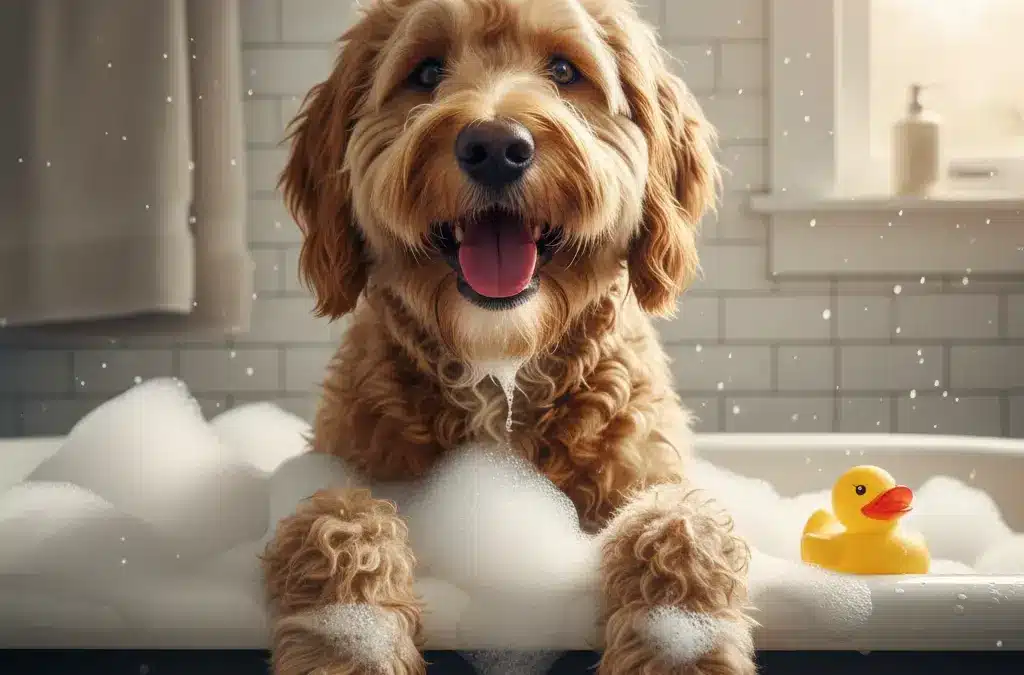
How to Give Bath to Your Dog – A Complete Guide for Safe Grooming
Bathing your dog is one of the most essential parts of maintaining their overall hygiene, skin health, and comfort. However, many dog owners are unsure about the correct way to bathe their pet, how often it should be done, and what products are safe to use. Furthermore, understanding how to give bath to dogs is crucial because improper bathing practices can lead to skin irritation, fear-based behavior, infections, and unnecessary stress.
Whether you are a first-time dog owner or someone looking to improve your dog’s grooming routine, this complete guide will walk you through every step. Additionally, it explains when extra support is needed and how customized plans for cats and dogs help protect against unexpected grooming-related issues.
Why Bathing Your Dog Properly Matters More Than You Think
Bathing your dog is not only about making them look clean. In fact, it plays a vital role in:
Identifying lumps, hot spots, or skin irritation early
Many owners believe that bathing is simple. However, incorrect techniques—such as using human shampoo or rinsing poorly—can harm your dog. Consequently, knowing how to give bath to dogs properly prevents these issues and ensures your dog remains comfortable and healthy.
How Often Should You Give Bath to Dogs?
Not all dogs require the same bath frequency. Factors such as coat length, breed, environment, and skin condition play an important role.
Short-haired breeds: Once every 4–6 weeks
Long-haired breeds: Every 3–4 weeks
Dogs with allergies: As recommended by a vet
Active/outdoor dogs: More frequently, depending on dirt exposure
Puppies: Less frequent and with puppy-safe products
Keep in mind that overbathing can strip natural oils, causing dryness and irritation. To ensure you are following correct guidelines, you may refer to established animal welfare recommendations like those from the RSPCA.
Preparing for Your Dog’s Bath – Tools and Setup
Preparation is a major part of learning how to give bath to dogs safely and efficiently. Before starting, you should gather:
Dog-safe shampoo and conditioner
Brush or comb
Towels and a non-slip bath mat
Lukewarm water and a handheld sprayer
Cotton balls for outer ear protection
Treats to keep your dog calm
Creating a calm environment helps reduce anxiety. For example, if your dog struggles with baths, you might begin by giving them treats near the bathing area days before to build positive associations.
Step-by-Step Guide on How to Give Bath to Dogs
Here is a complete approach to bathing dogs safely:
Step 1: Brush Before Bathing Brushing removes tangles, dirt, and loose hair. This is important because wetting tangled fur can make knots tighter and uncomfortable.
Step 2: Prepare Lukewarm Water Dogs are sensitive to temperature. Therefore, you should avoid hot or cold water, which can cause discomfort or fear.
Step 3: Place Your Dog on a Non-Slip Surface This prevents slipping accidents, which is especially helpful for senior or large dogs.
Step 4: Wet the Coat Thoroughly Use a cup or gentle sprayer, starting at the back and working forward. Be sure to avoid spraying water directly into the face or ears.
Step 5: Apply Dog-Safe Shampoo Massage gently in circular motions. Since dogs have a different skin pH, do not use human shampoo. Focus on the neck, chest, belly, paws, and tail while keeping soap away from eyes and ears.
Step 6: Rinse Thoroughly Rinse until no residue remains. This is crucial because leftover shampoo causes itching and dryness.
Step 7: Condition Long Coats (Optional) If you use conditioner, apply it and let it sit for 2–3 minutes before the final rinse.
Step 8: Dry Your Dog Use towels first, then a dog-safe dryer on low heat if needed. Avoid loud or high-heat human dryers.
Step 9: Offer Treats and Praise Positive reinforcement helps dogs associate bath time with a pleasant experience.
Common Bathing Mistakes Dog Owners Should Avoid
Many owners unintentionally make mistakes during bath time. To protect your dog, try to avoid:
Using human shampoo or hot water
Allowing water to enter the ears
Not rinsing thoroughly
Bathing too frequently or using strong water pressure
Brushing aggressively after the bath
When Dogs Need Extra Support During Bath Time
Some dogs require special attention due to health conditions or behavioural challenges. Specifically, extra caution is necessary for dogs with allergies, dermatitis, or mobility issues. In these cases, bathing can lead to accidental injuries or worsen existing issues.
This is where special pet plans become essential for supporting responsible pet care. For instance, coverage can assist with skin allergies caused during bathing, ear infections resulting from water exposure, or slips and falls during grooming. Having protection ensures you can focus on care rather than the cost of a vet visit after a grooming accident.
Expert Advice on How to Give Bath to Dogs Safely
Veterinary experts emphasize the importance of gentle, correct bathing methods. Because dogs have a very different skin pH than humans, using the wrong products can cause irritation and infections. Experts recommend using dog-specific shampoo, drying the coat thoroughly, and avoiding scented products for sensitive dogs. If your dog shows signs of repetitive scratching or redness after a bath, a vet visit is recommended.
Final Thoughts – Giving Your Dog Safe and Comfortable Baths Every Time
Knowing exactly how to give bath to dogs not only keeps them clean but also ensures their skin, coat, and health remain protected. In conclusion, bath time can be an enjoyable experience if you follow proper techniques and monitor your dog’s comfort.
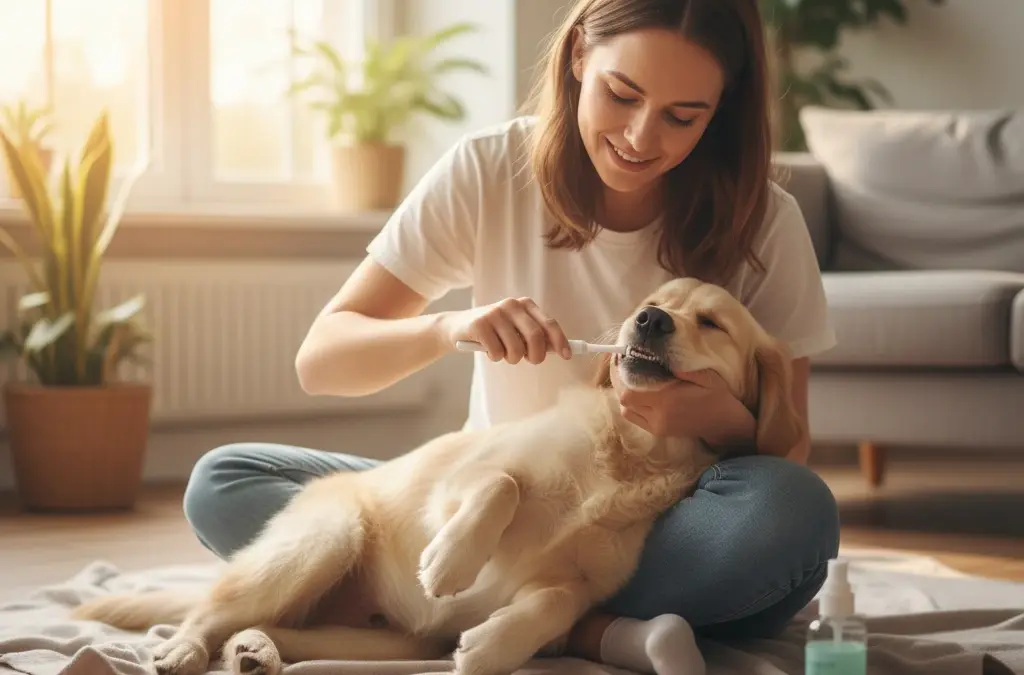
Dental care plays an essential role in a dog’s overall health, yet it is often overlooked by many pet owners. Dogs require a consistent oral hygienic intention in regular bases to prevent plaque buildup, gum infections, and long-term dental diseases. Furthermore, understanding how to clean dogs teeth effectively can help protect your dog from unnecessary pain, expensive treatments, and health complications that stem from poor oral hygiene.
This guide explains the importance of dental care, identifies warning signs of issues, and provides step-by-step cleaning methods. Additionally, it discusses professional care and highlights how dental health plans support long-term wellbeing. Expert guidance from veterinary advisors is also included to help dog owners create safe and effective routines.
Regular Dog Teeth Cleaning Is Essential
Many dog owners underestimate the importance of dental hygiene. However, dental disease is one of the most common conditions seen in dogs. Without regular cleaning programs, plaque quickly turns into tartar, which can lead to gum disease and tooth decay.
In fact, knowing how to clean dogs teeth ensures your dog maintains:
Fresh breath and healthy gums
Strong teeth and proper chewing ability
Reduced risk of infection and better long-term health
Because bacteria in the mouth can travel through the bloodstream, untreated dental problems may contribute to serious conditions affecting the heart, kidneys, and liver. Consequently, regular cleaning is a small habit with major health benefits.
Understanding Your Dog’s Dental Health
Before cleaning your dog’s teeth, it is crucial to understand how dental disease forms.
Plaque and Tartar: Plaque forms naturally from saliva and food particles. When not removed through brushing, it hardens into tartar.
Gingivitis: This is the earliest form of gum disease, causing redness, swelling, and discomfort.
Periodontal Disease: Untreated gingivitis leads to infection deep within the gums, potentially damaging tissue and bone.
Tooth Infections: Bacteria may enter tooth roots, causing abscesses that require urgent expert treatment.
For more details on these conditions, you may refer to established animal health resources like the RSPCA Dental Health Guide. A strong dental care routine remains the best preventive strategy.
Early Signs Your Dog Needs Dental Cleaning
Dogs often hide pain, making dental problems difficult to detect. Therefore, you should watch for these early signs:
Strong or unusual bad breath
Yellow or brown tartar on the tooth surface
Red, bleeding, or swollen gums
Difficulty chewing or dropping food
Pawing at the mouth or excessive drooling
Behavioural changes like irritability
If you observe any of these symptoms, it is likely time for a more thorough cleaning or a professional checkup.
How to Clean Dogs Teeth – Step-by-Step Guide
Brushing your dog’s teeth remains the most effective method for preventing dental disease. Here is a step-by-step approach:
Step 1: Choose the Right Tools Use a dog-specific toothbrush and dog-safe toothpaste. You must never use human toothpaste, as it can be toxic to pets.
Step 2: Introduce Brushing Slowly Allow your dog to sniff and taste the toothpaste first. Be sure to reward calm behaviour to build a positive association.
Step 3: Start with Short Sessions Gently touch the teeth and gums using your finger before introducing the brush.
Step 4: Brush with Gentle Circular Motions Focus on the outer surfaces, where plaque accumulates most frequently.
Step 5: Be Consistent Gradually increase coverage as your dog becomes comfortable. Aim to brush at least 3–4 times a week, though daily is ideal.
Step 6: Reward After Each Session Positive reinforcement helps build trust and makes the routine easier over time.
Dental Wipes: Useful for quick cleaning of the tooth surface.
Dental Chews: Designed to scrape plaque while providing chewing satisfaction.
Enzymatic Gels: These help break down plaque even without vigorous brushing.
Chew Toys: Textured rubber toys can naturally help reduce buildup.
Water Additives: These help control harmful bacteria in the mouth.
While these alternatives are helpful, brushing remains the most effective method for deep cleaning.
Professional Dental Cleaning – When Is It Necessary?
At-home care is essential, but some dogs eventually need professional cleanings performed by a veterinarian. This is typically necessary if there is heavy tartar buildup, loose teeth, or persistent gum inflammation.
Professional cleaning usually includes scaling, polishing, and X-rays. Because this requires the dog to be perfectly still, it is performed under anaesthesia to ensure a safe and thorough result. Depending on the breed and dental condition, a professional checkup is generally recommended once a year.
Expert Advice on Canine Oral Hygiene
Veterinary advisors emphasize that dental hygiene is one of the most important yet overlooked aspects of dog health. Starting a dental care routine early significantly reduces the risk of periodontal disease later in life.
Experts also note that dental discomfort can directly affect behaviour; dogs in pain may become irritable or lose interest in food. Therefore, if you notice sudden behavioural changes, dental issues should be considered as a possible cause.
Final Thoughts – Keeping Your Dog’s Teeth Clean for Life
Learning how to clean dogs teeth is essential for ensuring your dog remains healthy and happy. A consistent home routine, paired with professional checkups and a reliable insurance plan, provides the best chance at lifelong oral health. By making dental care a priority today, you help prevent painful conditions and improve your dog’s overall quality of life.
Training a dog is one of the most rewarding experiences for any pet owner. It strengthens the bond between you and your dog, supports emotional development, prevents unwanted behaviours, and helps create a safe environment. Many new owners assume training is challenging, but understanding how to train dogs effectively can simplify the process and create a positive routine your dog will enjoy.
Whether you have a new puppy or an older dog, training establishes trust and discipline. This guide provides a complete, step-by-step understanding of dog training, behavioural insights fromproblem-solving advisers.
Why Understanding How to Train Dogs Matters
Learning how to train dogs is about make good bond, it directly shapes your pet’s mental health. Trained dogs are generally more confident and better equipped to live harmoniously with their families. In fact, training also:
Reduces stress by providing clear communication.
Prevents behavioural issues before they become habits.
Increases safety at home and in public spaces.
Enhances socialisation and mental exercise.
Dogs rely heavily on structure. When owners communicate clearly, dogs respond predictably. Consequently, early training is essential for both small companion dogs and active working breeds.
Understanding Canine Behaviour Before Training Begins
Before starting, it is important to recognise how your dog interprets the world. Recognising their instincts helps you train more effectively:
Pack Instinct: Dogs look for consistent leadership. A clear approach helps establish you as a reliable guide.
Body Language: Dogs communicate through posture, tail position, and eye contact. Understanding these cues allows you to adjust your training on the spot.
Attention Span: Puppies often have shorter attention spans; therefore, sessions should be short and positive.
Fear and Stress Triggers: Some dogs react due to insecurity. Calm, reward-based training reduces this anxiety.
For more in-depth behavioural guidance, you may refer to established resources like the ASPCA Dog Behaviour Guide.
Core Principles of Successful Training
Every successful method is built on two pillars: clear communication and positive reinforcement.
Principle
Action
Positive Reinforcement
Reward good behaviour with treats, praise, or affection.
Consistency
Use the same command words and tone every time.
Short Sessions
Limit training to 5–10 minutes to maintain focus.
Clear Commands
Use simple words like “sit,” “stay,” and “come.”
Avoid Punishment
Punishment leads to fear; trust is the best teacher.
Core Training Commands Explained
1. “Sit” Place a treat close to your dog’s nose, then move it upward slowly. As the head follows, the hindquarters will lower. The moment they sit, say the cue and give the reward.
2. “Stay” Have your dog sit first. Show an open palm and give the command. Take a small step back; if the dog holds position, return and reward. Increase distance and duration gradually.
3. “Come” Use a cheerful tone to call your dog’s name followed by the command. When they approach, reward generously. Begin training in a secure, enclosed space.
4. Exposure and Leash Skills Introduce new places and situations progressively to avoid overwhelming your dog. For leash work, begin indoors and reinforce walking calmly at your side with treats.
Addressing Frequent Behaviour Issues
Most dogs display unwanted behaviours at times. These can be managed with consistency:
Frequent Barking: Determine the cause, such as boredom or anxiety, and train a cue for silence.
Destructive Chewing: Offer appropriate chew items and redirect immediately when needed.
Jumping on People: Encourage a sit before greetings to reduce overexcitement.
Separation Anxiety: Practice short departures and calm returns to build independence.
Training and Overall Health
Professional animal care suggest that structured training supports emotional balance. They also highlight that safety should remain the priority. Dogs respond best to consistent, positive sessions. If a previously learned behaviour suddenly declines, a medical issue may be contributing and should be checked.
Building Long-Term Balance
Effective training creates mutual understanding between you and your dog. Consistency and reward-based methods help develop confidence and stability. When combined with proper healthcare, this approach supports your dog through all stages of life.