A common misconception among pet parents is that an indoor lifestyle acts as an impenetrable shield against parasites. In reality, indoor cats remain highly susceptible to both internal and external parasites.
This guide provides a comprehensive, logically structured analysis of feline parasite control, detailing why indoor cats require protection, evaluating leading treatments, and highlighting critical physiological differences between feline and canine care.
The Indoor Safety Misconception: Why Indoor Cats Need Treatment
It is a myth that a cat who never steps foot outside is safe from infestation. Leaving an indoor cat completely unprotected creates a vulnerability window for several reasons:
Human Vectors (The “Hitchhiker” Effect): Fleas, flea eggs, and ticks can easily attach themselves to human clothing, shoes, or outdoor gear, effectively transporting the parasite directly into your living room.
Secondary Pets: If you have a dog or a cat that goes outdoors, they act as a biological bridge, bringing external parasites into the shared indoor environment.
Opportunistic Pests: Indoor mice, rats, and insects often carry parasite larvae (such as tapeworms). If your cat’s natural hunting instinct kicks in and they ingest a pest, they can easily contract an internal infestation.
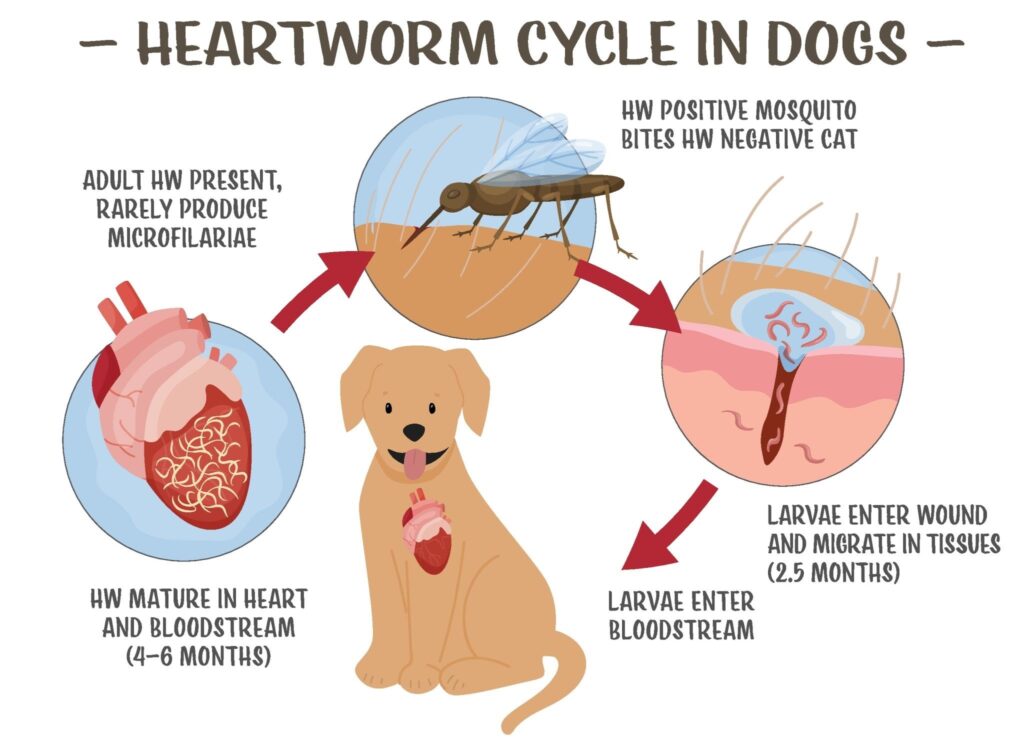
Vector Insects: Mosquitoes fly indoors through open doors or microscopic tears in window screens. A single bite from an infected mosquito can transmit fatal heartworm disease to an indoor cat.
Common Cat Parasites
Feline parasites are broadly categorized into external (ectoparasites) and internal (endoparasites).
External Parasites
Fleas (Ctenocephalides felis): The most prevalent feline external parasite. They cause intense pruritus (itching), flea allergy dermatitis (FAD), and can cause severe anemia in kittens due to blood loss.
Ticks: Though less common indoors, certain species (like the Brown Dog Tick) can colonize indoor structures and transmit hemotropic mycoplasmas.
Ear Mites (Otodectes cynotis): Highly contagious microscopic mites that live inside the ear canal, causing intense irritation, head shaking, and a characteristic coffee-ground-like discharge.
Internal Parasites
Roundworms (Toxocara cati): Intestinal parasites that compromise nutrient absorption. Transmission occurs via ingestion of eggs from soil or prey, or through infected mother’s milk.
Hookworms (Ancylostoma tubaeforme): Small worms that anchor to the intestinal wall to feed on blood, leading to weight loss, progressive anemia, and dark, tarry stools.
Heartworms (Dirofilaria immitis): Living in the pulmonary arteries and heart, these worms trigger Heartworm Associated Respiratory Disease (HARD) in cats. Even one or two adult worms can cause sudden death.
Product Analysis: Advocate vs. Revolution
When choosing a premium parasite preventative plan, Advocate (Elanco) and Revolution/Revolution Plus (Zoetis) are the top tier choices. Understanding their active ingredients and coverage spectra is essential for making an informed choice.
Feature / Target
Advocate (Moxidectin + Imidacloprid)
Revolution (Selamectin)
Revolution Plus (Selamectin + Sarolaner)
Fleas (Adults & Eggs)
Yes
Yes
Yes
Ticks
No
No
Yes (Multiple species)
Ear Mites
Yes
Yes
Yes
Roundworms
Yes
Yes
Yes
Hookworms
Yes
Yes
Yes
Heartworms
Yes (Preventative)
Yes (Preventative)
Yes (Preventative)
Biting Lice
Yes
No
No
Key Distinctions
Advocate utilizes a combination of Imidacloprid (which paralyzes the insect nervous system on contact) and Moxidectin (a systemic macrocyclic lactone). It offers exceptional protection against internal parasites and ear mites but does not treat ticks.
Standard Revolution relies solely on Selamectin. While highly effective against fleas, heartworms, and mites, its tick coverage is virtually non-existent for cats.
Revolution Plus introduces Sarolaner, extending its efficacy to rapidly eliminate multiple tick species (Black-legged tick, Gulf Coast tick, and American dog tick) alongside the standard baseline protection.
Crucial Differences: Cat vs. Dog Parasite Care
Cats possess a distinct physiology and metabolic system compared to dogs. Treating a cat like a small dog can result in fatal consequences.
⚠️ Critical Safety Warning: Permethrin Toxicity
Many canine topical flea and tick medications contain high concentrations of Permethrins or synthetic pyrethroids. Cats lack the essential liver enzyme (glucuronosyltransferase) required to detoxify these compounds.
Exposure to even a tiny drop of a dog-specific permethrin product can induce severe neurological tremors, seizures, and death in cats. Never cross-use medications between species.
The Reality of Heartworm Disease
In Dogs: Heartworms thrive, mature, and reproduce easily. Clear diagnostic protocols and chemical treatments exist to clear adult worms from a dog’s system.
In Cats: Cats are atypical hosts. Worms rarely reach full maturity, but their premature death triggers severe, life-threatening inflammation in the lungs (HARD). Furthermore, there is no approved medical treatment to clear adult heartworms in cats. Prevention is the only viable management strategy.
The Ultimate Monthly Preventative Schedule
Consistency is the cornerstone of parasite management. Adhering to a strict 30-day cycle prevents lapse windows where parasites can re-establish populations.
[Day 1 of the Month]
└── Apply Topical Spot-On Treatment (e.g., Revolution Plus or Advocate)
└── Inspect ears for debris/signs of mites
└── Check other household pets for compliance
[Day 30]
└── Reapply next dose (Do not skip winter months)
Dosing Day: Select a memorable date (e.g., the 1st of every month) to apply the topical solution directly to the skin at the base of the skull, where the cat cannot lick it off.
Environmental Management: Coincide topical applications with routine washing of pet bedding at high temperatures ($60^\circ\text{C}$ or higher) and thorough vacuuming of carpeted areas to eliminate any dormant environmental flea pupae.
Year-Round Defense:Maintain this pet schedule 12 months a year. Central heating systems keep indoor environments warm enough for fleas to breed and thrive even during freezing winter months.
Debunking Common Feline Parasite Myths
Myth: “My cat doesn’t go outside, so they don’t need flea meds.”
Fact: Fleas routinely enter homes via humans, guests, or mice. An indoor environment acts as an incubator, keeping temperatures stable and allowing a flea infestation to explode rapidly once inside.
Myth: “If I don’t see worms in the stool, my cat doesn’t have them.”
Fact: Most intestinal parasites shed microscopic eggs that are entirely invisible to the naked eye. Relying on visible confirmation means waiting until an infestation is severe enough to cause systemic illness.
Myth: “Natural remedies like garlic or essential oils are safer alternatives.”
Fact: Garlic is toxic to cats and causes Heinz body hemolytic anemia. Essential oils (like tea tree or eucalyptus) are highly toxic to a cat’s liver. Stick exclusively to veterinary-approved pharmaceuticals tested specifically for feline safety.
Parasites aren’t just a “gross” inconvenience; they are a sophisticated biological threat that can compromise your pet’s internal organs before you even see a single symptom. Cats and dogs worm prevention is not an optional luxury—it is a foundational pillar of animal longevity and household safety.
Here is a detailed breakdown of the internal invaders every pet owner needs to understand.
The Rogue’s Gallery: Common Types of Worms
Not all worms are created equal. They inhabit different organs and require specific medications to eradicate.
Heartworms (The Silent Killers)
Unlike intestinal parasites, heartworms live in the heart, lungs, and associated blood vessels. They are transmitted exclusively through mosquito bites. A single bite can introduce larvae that grow up to 12 inches long, causing heart failure and severe lung disease.
Roundworms (The Most Common)
These resemble spaghetti and live in the small intestine. Almost all puppies and kittens are born with them or contract them through their mother’s milk. They “free-float” in the gut, stealing nutrients from the pet’s food.
Tapeworms (The Flea Connection)
Tapeworms are long, flat parasites made of segments. If you see something resembling “grains of rice” around your pet’s tail or in their bedding, those are tapeworm segments. They are usually contracted when a pet ingests a flea while grooming.
How Pets Get Infected
The environment is a minefield for parasite transmission. Most pets become infected through:
The Fecal-Oral Route: Ingesting microscopic eggs from contaminated soil, grass, or water.
Biological Vectors: Mosquitos (Heartworms) or Fleas (Tapeworms).
Intermediate Hosts: Hunting and eating rodents, birds, or lizards.
Maternal Transmission: Passing from mother to offspring during pregnancy or nursing.
Recognizing the Red Flags
Worms are masters of stealth. A pet can be heavily infested and still appear “normal” for months. Watch for these clinical signs:
The “Pot-Bellied” Look: Common in puppies/kittens with heavy roundworm loads.
Gastrointestinal Distress: Chronic vomiting or diarrhea.
Weight Loss: Losing weight despite having a ravenous appetite.
Coat Quality: Dull, dry, or brittle fur.
The “Scoot”: Dragging their bottom across the floor (usually a sign of tapeworm irritation).
Coughing/Lethargy: Primary signs of advanced heartworm disease.
4. Zoonotic Risks: Can Humans Get Worms?
Yes. Many pet parasites are zoonotic, meaning they can pass from animals to humans.
Roundworms: If a human (often children) accidentally ingests eggs from soil, the larvae can migrate to the eyes or brain (Visceral Larva Migrans).
Hookworms: Can penetrate human skin, causing itchy, red “tracks” under the skin.
Authenticity Note: Proper handwashing after gardening or cleaning a litter box is the best defense for the human members of the family.
Prevention vs. Treatment: The Cost Reality
Many owners wait until they “see worms” to act. This is a mistake.
Intensive, often involving injections/hospitalization.
Pet Impact
Virtually zero side effects; keeps pet healthy.
Can be painful and physically taxing (especially Heartworm treatment).
Financial Cost
Approximately $10–$20/month.
Can range from $500 to over $2,000 for Heartworm stabilization.
The Standard Prevention Schedule
Consistency is the only way to ensure your pet remains a “dead-end host” for parasites.
Heartworm Prevention: Monthly, year-round. Even indoor pets are at risk, as mosquitos frequently enter homes.
Intestinal De-worming: Generally performed quarterly (every 3 months) for adult pets, or monthly if using a broad-spectrum “all-in-one” preventative.
Fecal Exams: Your vet should check a stool sample at least once a year to identify parasites in cats and dogs that are invisible to the naked eye.
Worm prevention in dogs and cats is often misunderstood as a “once-in-a-while” task. In reality, it is a continuous biological shield. In the Australian market, where environmental risks like paralysis ticks and high mosquito populations (for heartworm) are prevalent, the strategy must be precise.
Here is a comprehensive breakdown of how to protect your pet, the costs involved, and how these medications actually function.
How to do it: You have three main delivery methods:
Oral (Chewables): The most common (e.g., NexGard Spectra, Simparica Trio).
Topical (Spot-ons): Applied to the skin (e.g., Advocate, Bravecto Plus).
Injectable: A professional veterinary service (ProHeart SR-12) specifically for heartworm.
Why it is effective: These medications maintain a “therapeutic level” in the bloodstream or skin. When a parasite bites or is ingested, the active ingredient paralyzes its nervous system before it can reproduce or cause organ damage.
When it works: Most modern preventatives begin killing intestinal worms within 2–6 hours. Heartworm preventatives work by killing larvae (microfilariae) deposited by mosquitoes in the previous 30 days.
Macrocyclic Lactones (e.g., Moxidectin, Milbemycin): These target the glutamate-gated chloride channels in the parasite’s nerve and muscle cells. This causes paralysis and death of the worm but does not affect the pet because mammals lack these specific receptors in their peripheral nervous system.
Isoxazolines (e.g., Afoxolaner, Sarolaner): Found in all-in-ones, these target fleas and ticks by over-stimulating their nervous system.
Australian Market: Types & Price Comparison
Prices in Australia vary by pet weight. Below are estimated costs for a Medium Dog (10–25kg) and Adult Cat (>4kg) based on major retailers like Pet Circle, Petbarn, and vet clinics.
Cost: Ranges from $120 – $270 per year depending on weight.
Pros: 100% compliance; no monthly heartworm tablets needed.
Cons: Does not cover intestinal worms or fleas; you must still buy a separate product for those (e.g., Bravecto or NexGard).
Services Available in Australia
You are no longer restricted to just the local vet clinic for these treatments:
In-Clinic Services: Vets provide the ProHeart SR-12 injection and can perform “Fecal Flotations” (checking stool for microscopic eggs), which retail tests cannot do.
Mobile Vets: Services like Vet To Home or Ready Vet Go (major cities like Melbourne/Sydney) will come to you for vaccinations and parasite administration.
Busy owners or “difficult” pets that won’t eat tablets.
Pro-Tip for Pet Owners:
“Natural” remedies like garlic or pumpkin seeds are largely ineffective at clearing a true infestation. Stick to veterinary-approved, evidence-based medications to ensure the parasites are actually being eliminated.
The Neurotoxic Threat: Understanding Tick Paralysis
Tick paralysis is not merely a “bite”; it is an acute poisoning. Unlike other ticks that solely consume blood, the Australian Paralysis Tick injects a potent holocyclic neurotoxin through its saliva while feeding.
This clinical note details the biological threat of the Australian Paralysis Tick (Ixodes holocyclus), a parasite that remains one of the most significant veterinary emergencies in Australia.
Biological Mechanism
To understand why the Australian Paralysis Tick is so uniquely dangerous compared to other parasites, we have to look at the microscopic interference occurring within the pet’s nervous system. It is not an infection; it is a clinical envenomation.
1. The Source: Salivary Gland Synthesis
The neurotoxin, specifically known as holocyclotoxin, is produced only by the female Ixodes holocyclus during her blood meal. As she attaches and begins to engorge, her salivary glands undergo a massive biological shift to synthesize this protein.
The concentration of toxin in her saliva increases exponentially as she feeds. This is why a pet may seem perfectly healthy for the first 48 hours of attachment, only to collapse rapidly on day four or five as the tick reaches its “peak” secretion phase.
2. The Synaptic Blockade: Molecular Interference
The toxin targets the Neuromuscular Junction (NMJ)—the specific gap where a nerve ending meets a muscle fiber.
Normal Function: To move a muscle, a nerve releases a chemical messenger called Acetylcholine (ACh) into the synaptic cleft. This chemical binds to the muscle and tells it to contract.
The Toxin’s Action: Holocyclotoxin acts as a “presynaptic” blocker. It physically inhibits the release of Acetylcholine.
The Result: The nerve is still “firing” and the muscle is still capable of moving, but the message cannot bridge the gap. The muscle remains in a state of permanent relaxation, leading to flaccid paralysis.
3. The Ascending Progression: Why the Back Legs First?
Tick paralysis is famously “ascending,” meaning it starts at the rear of the animal and moves forward. This occurs due to length-dependent neuropathy:
Peripheral Nerves: The longest nerves in the body—those reaching the hind limbs—are often the most sensitive to the initial drop in Acetylcholine levels.
Loss of Reflexes: Before the pet “collapses,” they lose their “righting reflex” and deep tendon reflexes. Owners might notice the pet’s back legs “knuckling over” (walking on the tops of the paws).
The Upward Sweep: As the systemic concentration of the toxin rises, shorter nerves (reaching the front legs and trunk) begin to fail.
4. Autonomic and Esophageal Dysfunction
The toxin doesn’t just affect the muscles used for walking; it attacks the autonomic nervous system and the smooth muscles of internal organs:
Megaesophagus: The muscles of the esophagus (the tube from the mouth to the stomach) become paralyzed and dilate. The pet cannot swallow saliva or food, which then pools in the throat.
Aspiration Risk: Because the “trapdoor” to the lungs (the larynx) is also weakened, this pooled liquid is often inhaled. This leads to aspiration pneumonia, which is frequently the actual cause of death rather than the paralysis itself.
5. Respiratory Failure: The Final Stage
The terminal phase of the biological mechanism involves the intercostal muscles (located between the ribs) and the diaphragm.
Mechanical Failure: Breathing requires these muscles to contract and expand the chest cavity.
The Grunt: As the diaphragm weakens, the pet must use abdominal muscles to force air out, creating the characteristic “tick grunt” heard in clinical settings.
Hypoxia: Eventually, the mechanical effort becomes too great. The pet can no longer move enough air to oxygenate the blood, leading to carbon dioxide buildup and respiratory arrest.
6. The “After-Removal” Surge
A critical biological fact for clinics is that removing the tick does not stop the paralysis immediately. There is a “lag phase” where the toxin already injected into the skin’s tissues continues to be absorbed into the bloodstream. Symptoms can actually worsen for 24 to 48 hours after the tick is gone, which is why clinical monitoring is non-negotiable.
Clinical Progression: Identifying Symptoms
Symptoms often do not appear until the tick has been attached for 3–5 days. Early detection is life-saving.
Stage 1 (Early): A subtle change in the “bark” or “meow” (laryngeal paresis), slight hind-limb weakness, or a single episode of regurgitation/vomiting.
Stage 2 (Mid): A distinct “wobble” or “drunken” gait in the back legs. The pet may struggle to stand or jump.
Stage 3 (Advanced): Progresses to the front legs. You will notice increased respiratory effort, characterized by a “grunting” sound or labored breathing.
Stage 4 (Critical): Complete collapse. The pet can no longer swallow, leading to a high risk of aspiration pneumonia if given food or water.
High-Risk Regions: The 20km Danger Zone
While ticks can be transported via wildlife or camping gear, the highest density is found along the Eastern Seaboard of Australia, typically within 20km of the coastline.
Primary Zones: Throughout Queensland (Brisbane, Gold Coast, Sunshine Coast) and New South Wales (Northern Beaches, Central Coast, South Coast).
Expanding Risks: Areas in Eastern Victoria (Bairnsdale, Sale) and even inland suburban pockets in Melbourne have reported cases due to wildlife migration and warming climates.
Tick Season vs. Year-Round Reality
The Peak: Historically, September to March was considered the primary “tick season” due to high humidity and spring growth.
The “Pre-Tick” vs. “Post-Tick” financial gap is staggering. The clinical data reveals:
Prevention Cost: Approximately $150–$350 per year (depending on weight and product choice).
Average Treatment Cost: $2,402.
ICU/Ventilation Cost: For severe cases requiring mechanical ventilation and multi-day ICU stays, bills commonly exceed $10,000, with the highest reported claims reaching over $53,000.
Emergency Protocol: If You Find a Tick
Immediate Removal: Use a tick-remover tool or tweezers. Grasp at the head (as close to the skin as possible) and pull steadily.
Save the Tick: Place it in a jar for identification.
Nil Per Os (NPO): Do NOT give food or water. If the throat muscles are paralyzed, the pet will inhale the liquid into their lungs, causing fatal pneumonia.
Clinical Evaluation: Even if the pet looks “fine,” the toxin continues to circulate for 24–48 hours after the tick is removed. Immediate veterinary assessment is mandatory.
The most common species affecting domestic pets is Ctenocephalides felis (the cat flea).
What are Fleas? The Biological Threat
To truly understand why fleas are so difficult to eradicate, you have to look at them as an environmental infection rather than just a “pet problem.”
The “5% Rule” isn’t just a statistic; it’s a biological survival strategy from pet parasites. Here is the deep-dive breakdown of the invisible 95% that is currently maturing in the environment.
1. The Invisible 95%: A Lifecycle Breakdown
When you see one adult flea on your dog or cat, you are looking at the tip of a biological iceberg. The rest of the population is distributed throughout your home in three distinct stages:
Stage 1: The Eggs (50% of the population)
The Reality: A female flea begins laying eggs within 24 hours of her first blood meal. These eggs are not sticky; they roll off the pet like grains of salt as the pet moves, sleeps, or scratches.
The Hotspots: Where your pet spends the most time—their bed, your rug, or the “sun spot” on the floor—is where the highest concentration of eggs resides.
Stage 2: The Larvae (35% of the population)
The Reality: Within days, eggs hatch into legless, worm-like larvae.
The Survival Tactic: Larvae are photophobic (they hate light). They crawl deep into carpet fibers, under baseboards, or into the cracks of floorboards.
The Food Source: They feed on “flea dirt” (the nutrient-rich excrement of adult fleas) that falls off the pet. This is why a flea-infested pet is essentially “feeding” the next generation in your carpet.
Stage 3: The Pupae (10% of the population)
The Reality: This is the most dangerous stage for a homeowner. The larvae spin a silk-like cocoon that is sticky, attracting dust and debris for perfect camouflage.
The “Armor”: The cocoon is virtually indestructible. It is resistant to common household cleaners and most insecticides.
The Waiting Game: Inside, the flea develops into an adult but may not hatch immediately. It can stay dormant for months until it senses a host via:
Vibration (footsteps)
Heat (body temperature)
Carbon Dioxide (breathing)
2. The “Wait and See” Trap: The Math of Infestation
The reason we advise against waiting until you “see a flea” is the sheer speed of their reproduction.
The Exponential Growth:
Day 1: 1 female flea arrives on your pet.
Day 2: She lays 50 eggs in your carpet.
Day 7: Those 50 eggs have hatched into larvae.
Day 21: You now have 50 new adults ready to emerge, each laying another 50 eggs.
The Result: Within 3 weeks, a single flea can theoretically result in 2,500 new fleas at various life stages in your home.
3. Why “Occasional” Treatment Fails
If you only treat your pet once every few months when you notice itching, you are only killing the 5% (Adults).
As soon as the chemical wears off, the 10% (Pupae) in your floorboards “wake up” and hatch. Because there is no longer a preventative active on the pet’s skin, these new adults feed, lay eggs, and restart the entire cycle. This creates a “revolving door” of infestation that makes owners feel like the product isn’t working, when in reality, the environment was never cleared.
4. How to Break the Cycle
To defeat the 95%, you must apply a multi-pronged strategy:
Consistent Preventatives: Using a monthly flea treatment (like NexGard Spectra or Simparica) for at least 3 consecutive months. This ensures that every new flea that hatches from the carpet and jumps on the pet dies before it can lay the next 50 eggs.
Mechanical Removal: Vacuuming daily. The vibration of the vacuum “tricks” the pupae into hatching, and the suction removes eggs and larvae.
Thermal Sanitization: Washing pet bedding in water above 60°C to kill eggs and larvae instantly.
Clinical Summary: You don’t have a flea problem on your pet; you have a flea problem in your house. The pet is simply the “food station” that keeps the cycle alive. To stop the cycle, you must keep the “food station” toxic to fleas for 100% of the year.
Clinical Symptoms & Identification
Detection requires looking beyond the parasite itself, as many pets are meticulous groomers who remove adult fleas before they are seen.
Pruritus (Itching): Intense scratching, biting, or licking, particularly around the base of the tail and groin.
Flea Allergy Dermatitis (FAD): An immunological reaction to flea saliva. A single bite can trigger weeks of inflammation, “hot spots,” and secondary bacterial infections.
Flea Dirt: Small black specks on the skin. The Clinical Test: Place the specks on a wet white paper towel. If they dissolve into red streaks, it is “flea dirt” (digested blood), confirming an active infestation.
Alopecia: Symmetrical hair loss caused by over-grooming in response to irritation.
Systemic Risks of Infestation
Anemia: In puppies, kittens, or seniors, a heavy flea burden can consume enough blood to cause life-threatening anemia, characterized by pale gums and lethargy.
Dipylidium Caninum (Tapeworm): Fleas are the intermediate host for tapeworms. If a pet swallows an infected flea while grooming, they will develop an intestinal worm infestation.
Bartonellosis: Commonly known as “Cat Scratch Fever,” this bacteria is transmitted via flea feces and can be zoonotic (passed to humans).
Pets that refuse pills or have sensitive stomachs.
Speed
Often faster “knock-down” (starts in 30–60 mins).
Can take 12–24 hours to reach full body coverage.
Examples
NexGard, Simparica, Bravecto.
Advocate, Nugard, Revolution.
The Australian Context: Why Prevention Must Be Constant
Unlike colder climates where winter provides a “biological break,” most of Australia remains temperate enough for flea pupae to survive year-round.
Year-Round Risk: Indoor heating and mild winters mean the flea life cycle never truly stops.
Monthly vs. Occasional: Treating only when you “see” fleas is clinically ineffective. It ignores the 95% of the population in the environment. Consistent 30-day (or 3-month for Bravecto) dosing ensures the “biological chain” is broken before new adults can lay eggs.
Financial Analysis: Prevention vs. Treatment
One of the most common misconceptions is that prevention is expensive. In reality, the cost of treating an infestation and its complications far outweighs the price of a monthly chew.
When people hear the word parasites, most immediately think of fleas. And since fleas are the most visible and annoying of the group, they are only one part of a much bigger problem. Parasites affecting pets include fleas, ticks, intestinal worms, and heartworm, and together they pose ongoing risks to both pet health and household hygiene.
This is why modern veterinary care plans places far more emphasis on pet parasite prevention rather than just treatment after symptoms appear.
1.2 Pet Parasites and the Significance of Their Prevention
Parasites are organisms that survive by living on or inside another host. In pets, they feed on blood or nutrients, weakening the immune system and often causing secondary infections. Left unmanaged, parasites can trigger chronic skin conditions, anemia, digestive disorders, and in severe cases, life-threatening complications.
Prevention matters because parasites do not appear randomly. They follow predictable life cycles, thrive in specific environments, and spread quietly long before visible signs develop. The time you noticed itching, scratching, or weight loss in your cat or dog, that means parasites have often already multiplied.
This is why relying on occasional flea treatment for dogs or sporadic cat flea treatment is rarely enough. Effective pet parasite prevention works proactively, interrupting parasite life cycles before they become established.
Fleas are external parasites that feed on blood and reproduce rapidly. A single flea can lay dozens of eggs per day, which fall into carpets, bedding, and furniture. This explains why flea problems often persist even after applying a treatment.
For cats, flea infestations commonly lead to excessive grooming, hair loss, and flea allergy dermatitis. For dogs, fleas often cause itching, inflamed skin, and secondary bacterial infections.
Because fleas spend most of their life off the pet, prevention is far more effective than trying to eliminate them after an infestation occurs.
Ticks
Ticks attach firmly to the skin and feed slowly, sometimes over several days. In Australia, ticks are particularly dangerous due to the risk of tick paralysis, a condition that can become fatal if not treated promptly.
Unlike fleas, ticks may go unnoticed until symptoms appear. This makes tick prevention for dogs especially important, particularly for pets that spend time outdoors or in tick-endemic regions.
Intestinal Worms
Worms live inside the digestive system and are often invisible until a significant infestation like diarrhea develops. Common worms include roundworms, hookworms, and tapeworms.
Pets can become infected through contaminated soil, fleas, raw meat, or even from their mother at birth. Worms can cause vomiting, diarrhea, bloating, weight loss, and nutritional deficiencies.
Many pet owners overlook worms because symptoms are subtle, but untreated worm infections can affect growth in puppies and kittens and pose zoonotic risks to humans.
Heartworm
Heartworm is transmitted by mosquitoes and is one of the most serious parasitic diseases affecting dogs. Once mature, heartworms live in the heart and lungs, causing irreversible damage.
Treatment for heartworm is complex and risky, which is why prevention is considered essential rather than optional. In many cases, heartworm prevention is combined with flea and worm protection for complete coverage.
1.2 How Parasites Affect Cats and Dogs Differently
While cats and dogs can be affected by many of the same parasites, their responses to infestations and treatments differ significantly. Understanding these differences is a crucial part of effective pet parasite prevention.
Cats and Parasites
Cats are particularly sensitive to certain chemicals used in parasite treatments. Some flea medications designed for dogs can be toxic or even fatal to cats if applied incorrectly.
This is why flea medicine for cats must always be species-specific. Cats also tend to hide signs of illness, meaning flea infestations or worm infections may go unnoticed until they become severe.
Indoor cats are not immune either. Fleas can enter the home on clothing, shoes, or other pets. This is why cat flea prevention is recommended even for cats that never go outside.
Dogs and Parasites
Dogs are generally more exposed to parasites due to outdoor activity, socialization, and contact with other animals. Fleas and ticks are common in parks, gardens, and shared environments.
Dogs are also more susceptible to heartworm, which is why many veterinarians recommend flea, tick, and worm treatment for dogs as a combined preventive approach rather than addressing each parasite separately.
Even dogs with short coats or those bathed regularly can carry parasites. Prevention is not about hygiene; it’s about breaking the parasite life cycle.
1.3 The Hidden Risk of “Waiting Until You See a Problem”
One of the most common misconceptions among pet owners is the belief that parasite treatment is only necessary when symptoms appear. Unfortunately, parasites are often well-established long before they become visible.
Fleas may be present in the environment weeks before pets start scratching. Worms can cause internal damage before digestive symptoms appear. Ticks can transmit toxins or pathogens shortly after attachment.
This is why veterinarians emphasize consistent pet parasite prevention rather than reactive treatment. Preventive care reduces the parasite population at every stage of the life cycle, protecting not just the pet but also the household environment.
In simple terms, prevention costs less, causes less stress, and provides better long-term health outcomes than treating infestations after they occur.
Significance of These Fundamentals
Dealing with parasites is the first step to choose the right flea, tick, and worm protection. Without this knowledge, pet owners often jump between products, switch brands frequently, or stop treatment too early. All of these allow parasites to return.
2. Why Flea Treatments Often Fail and Why Parasites Keep Coming Back
If flea treatments were truly “one and done,” pet parasite prevention wouldn’t be such a common struggle. Yet many pet owners share the same frustrating experience: the fleas disappear for a short time, only to return weeks later. This cycle leads people to believe treatments don’t work, when in reality, the problem is usually not the product, but it’s the approach.
To understand why flea, tick, and worm treatments fail, we need to look at how parasites survive, reproduce, and adapt, and why short-term solutions rarely provide long-term protection.
2.1 The Flea Life Cycle: The Real Reason Fleas Keep Returning
One of the biggest misconceptions about flea control is assuming that killing visible fleas solves the problem. In truth, adult fleas make up only a small percentage of the total infestation.
A flea’s life cycle has four stages:
Egg
Larva
Pupa
Adult
Most flea treatments kill adult fleas only, leaving eggs and larvae untouched in the environment. These immature stages live in carpets, bedding, couches, pet beds, and even cracks in the floor. Weeks later, they mature and jump back onto your pet. This is giving the impression that the flea treatment “stopped working.”
This explains why even the strongest flea treatment for dogs or flea medicine for cats can fail if prevention is inconsistent or incomplete.
How Effective Prevention Works
Effective pet parasite prevention works by:
Killing adult fleas
Preventing eggs from hatching
Interrupting the flea life cycle over time
This is why veterinarians recommend monthly flea prevention, even when no fleas are visible.
2.2 “Kills Fleas Instantly” vs. Actual Protection
If you as a pet owner, search for solutions that promise instant results to kill fleas immediately on dogs or solutions that kill 100% of fleas in the house. While some products can kill fleas quickly, speed alone does not equal protection.
Instant-kill products may:
Kill fleas already on the pet
Provide short relief from itching
Fail to prevent reinfestation
Without ongoing protection, newly emerging fleas from the environment will reattach within days. This creates a cycle of repeated treatments, increased chemical exposure, and rising frustration.
True pet parasite prevention, like if it is a cute cat or a loving dog, focuses on consistent control, not instant extermination.
2.3 Environmental Fleas: Your Home Counts as Much as Your Pet
Another major reason flea treatments fail is ignoring the environment. Fleas don’t live only on cats or dogs. In fact, the majority of the flea population exists off the animal, hidden in:
Carpets and rugs
Furniture and upholstery
Pet bedding
Cracks and corners
Treating the pet without addressing the environment is like mopping the floor while leaving the tap running. This is why many veterinarians recommend combining flea prevention for pets with basic environmental management, such as:
Regular vacuuming
Washing pet bedding in hot water
Consistent parasite prevention rather than sporadic treatments
Over time, proper prevention will reduce the environmental flea population naturally, without needing harsh chemicals in the home.
2.4 Common Obstacles to Effective Prevention
Inconsistent Dosing: The Silent Failure Point
One missed dose is often all it takes for parasites to regain control. Flea, tick, and worm medications are designed to work within a specific time window. When doses are delayed, skipped, or stopped prematurely, parasites are given the opportunity to survive and reproduce.
This is especially problematic with:
Monthly flea and tick meds for dogs
Flea and worm treatment for cats
Combination parasite products
Inconsistent use doesn’t just reduce its effectiveness, but it can also contribute to parasite resistance and make the future infestations harder to control. This is why subscription-based parasite prevention models and reminder systems have become increasingly popular. They don’t make treatments stronger; they make them more consistent.
Using the Wrong Product for the Wrong Pet
Not all flea treatments are interchangeable, and using the wrong product is a surprisingly common mistake. Some examples include:
Using dog flea treatments on cats (dangerous and potentially fatal)
Choosing flea-only products when tick or worm protection is needed
Selecting products based on price rather than parasite risk
Cats, for example, require feline flea medicine specifically formulated for their metabolism. Dogs, on the other hand, may need flea and tick control for dogs, depending on location and lifestyle.
Proper pet parasite prevention always considers:
Species (cat or dog)
Age and weight
Indoor vs. outdoor exposure
Geographic parasite risks
2.5 Store-Bought vs. Vet-Approved Treatments: Why Results Differ
You are maybe unclear if the supermarket or online flea products are as effective as veterinary treatments. Well… vet flea treatment are better than shop bought and even vets don’t recommend some flea brands.
The difference usually comes down to:
Active ingredient quality
Dosage accuracy
Parasite resistance
Range of parasites covered
Some over-the-counter products may offer limited protection or outdated formulations that parasites have learned to tolerate. Vet-approved treatments are typically updated based on current resistance patterns and clinical evidence.
That doesn’t mean every store-bought product is ineffective, but it does mean that vet-guided parasite prevention is more reliable, especially in high-risk environments.
2.6 The True Cost: Reactive Treatment vs. Preventive Care
When flea infestations are treated only after they become obvious, the overall cost tends to be much higher than preventing them in the first place. Reactive flea treatment can include many hidden and direct expenses such as:
Repeated rounds of products because the infestation returns
Stress and discomfort for your pet
Because fleas reproduce quickly and live in the environment, waiting until symptoms appear often means you’re treating the fleas on your pet and also treating a larger infestation. Treating parasites only when symptoms appear often ends up costing more eventually. Repeated infestations can lead to:
Skin infections
Allergic reactions
Vet visits
Environmental treatments
Stress for both pet and owner
Pet parasite prevention is about using more medication. In contrast, a consistent prevention plan usually costs less, protects your pet’s health, and avoids the need for emergency treatments or multiple follow‑ups.
What This Means for You
Preventive care spreads the cost over time while dramatically reducing health risks. This is why veterinarians increasingly frame parasite control as routine health maintenance, similar to vaccinations or dental care.
So, if flea treatments have failed in the past, it doesn’t mean prevention doesn’t work. But it usually means the strategy was incomplete.
3: Flea and Tick Treatment for Dogs: See Which Method Honestly Works
In dogs, parasite prevention is rarely optional. Dogs explore, sniff, roll, socialize, and spend time outdoors. All these behaviors make them especially vulnerable to fleas, ticks, and worms. This is why flea and tick treatment for dogs is one of the most popular pet well-being and health topics worldwide.
Yet despite the wide range of products available, the confusion still remains that, what is the best flea treatment for dogs? Well, the answer depends less on brand names and more on how the prevention is applied.
Dogs need flea and tick medicine, even if they spend most of their time indoors. Fleas and ticks can cause serious health issues, including skin infections, allergic reactions, tick paralysis, and the transmission of worms or other diseases.
3.1 Flea Treatment for Dogs: Beyond Basic Itch Control
Fleas are a health concern for dogs. Even a small number can trigger intense itching, allergic reactions, and skin infections. Dogs with flea allergy dermatitis may react to just a single bite.
Therefore, a proper flea treatment for dogs does more than to kill fleas on contact. It also:
Stops fleas from reproducing
Reduces environmental contamination
Protects against repeated exposure
Flea shampoos or sprays during infestations can offer relief, but they do not provide lasting protection and should not be confused with true pet parasite prevention.
Long-term flea control relies on systemic or long-acting topical products used consistently.
3.2 Flea and Tick Medicine for Dogs: Why Ticks Change Everything
Flea medicine for dogs alone is often not enough. Ticks, especially paralysis ticks, present a serious health risk to dogs.
Unlike fleas, the ticks:
Attach firmly to the skin
Can transmit toxins or diseases quickly
May not be noticed until symptoms appear
This is why many veterinarians recommend flea and tick medicine for dogs rather than flea-only treatments. Tick prevention significantly reduces the risk of paralysis, neurological symptoms, and emergency veterinary care.
Dogs that walk in bushland, parks, or grassy areas are especially at risk, but even urban dogs are not immune.
3.3 Oral vs. Topical Flea and Tick Treatments for Dogs
One of the most common questions dog owners face is whether to choose oral or topical products.
Oral Flea and Tick Meds for Dogs
Oral medications are given as chewable tablets and work systemically through the bloodstream. When fleas or ticks bite, they are killed.
Pros:
No residue on fur
No washing off during bathing
Easy to administer for many dogs
Cons:
Must be swallowed
Not suitable for all dogs
Require strict dosing schedules
These products are popular for dogs that swim frequently or dislike topical applications.
Topical Flea and Tick Treatments
Topical treatments are applied to the skin, usually at the back of the neck. They spread across the skin’s oils.
Both approaches can be effective when used correctly. The key is choosing the right option for the dog’s lifestyle and ensuring consistent use.
3.4 Flea Collars for Dogs: Helpful or Overhyped?
Flea collars are often viewed as a simple, long-lasting solution. However, their effectiveness varies widely.
Modern flea collars can offer extended protection, but they:
May not cover the entire body evenly
Can cause skin irritation in some dogs
Are less effective in heavy infestations
For dogs with mild exposure, flea collars may offer additional support, but they should not be relied upon as the sole form of parasite prevention in high-risk areas.
3.5 Flea, Tick, and Worm Treatment for Dogs: Combination Protection is Vital
You may treat fleas, ticks, and worms separately, even though this approach can work, but it increases the risk of missed doses and more importantly the danger of inconsistent protection.
A combination of parasite products simplifies prevention by covering multiple parasites in one routine. A well-designed flea, tick, and worm treatment for dogs may include:
Flea control
Tick protection
Intestinal worm treatment
Heartworm prevention
This approach reduces the chances of forgetting a treatment and provides broader protection throughout the month.
3.6 How Lifestyle Affects the Best Treatment Choice
There is no universal “best” flea and tick treatment for dogs. The most effective choice depends on lifestyle factors such as:
Outdoor activity level
Contact with other dogs
Geographic parasite risks
Bathing frequency
For example:
A hiking dog may require stronger tick protection
An indoor dog may still need flea prevention due to environmental exposure
A multi-dog household may benefit from synchronized prevention schedules
Understanding these factors helps avoid under-protection or unnecessary medication.
3.7 Safety Concerns and Common Misconceptions
Safety is one of the biggest concerns the dogs and owners have when choosing flea and tick meds for dogs. Questions about toxicity, long-term use, and side effects are valid and should not be dismissed.
Most modern veterinary-approved parasite treatments are extensively tested and considered safe when used as directed. Problems usually arise from:
Incorrect dosing
Using the wrong product for the dog’s size
Combining incompatible treatments
This is another reason veterinarians emphasize guided parasite prevention rather than mixing products based on convenience or cost alone.
The Last Point
Flea and tick treatment for dogs works best when it’s part of a broader pet parasite prevention strategy, not a standalone fix.
In the next section, we’ll shift focus to cats, where flea prevention requires a different approach due to unique sensitivities and safety considerations.
4: Flea Treatment for Cats — Safe, Effective, and Often Misunderstood
Flea prevention for cats is often underestimated. Many cat owners assume fleas are primarily a dog problem or that indoor cats don’t need protection. In reality, cats are just as vulnerable to fleas, and in some ways, more at risk because inappropriate treatment choices can cause serious harm.
Effective pet parasite prevention for cats requires understanding how cats react differently to parasites and medications, and why feline flea control must always be handled with extra care.
4.1 Cat Flea Treatment: Why Cats Require a Different Approach
Cats are meticulous groomers. When a flea bites, cats often respond by excessive licking, chewing, or scratching, which can quickly lead to skin irritation and hair loss. Some cats develop flea allergy dermatitis, where even a single bite can cause severe itching and inflammation.
Unlike dogs, cats metabolize chemicals differently. This means that some flea treatments for dogs are toxic to cats, even in small amounts. One of the most dangerous mistakes is applying dog flea products to cats in an attempt to save money or time.
This is why cat flea treatment must always be species-specific and dosed accurately.
4.2 Common Signs of Fleas in Cats
Fleas are not always easy to spot on cats, especially long-haired breeds. Instead of visible scratching, cats may show subtle signs such as:
Over-grooming or licking
Hair thinning or bald patches
Small scabs, especially around the neck or base of the tail
Behavioral changes or irritability
Because cats hide discomfort well, infestations are often more advanced by the time they’re noticed. This makes cat flea prevention far more effective than waiting for symptoms to appear.
4.3 Flea Medicine for Cats: What Options Are Available?
Most flea medicine for cats comes in topical (spot-on) form. These treatments are applied to the skin, usually between the shoulder blades, where cats cannot lick them off.
Topical flea treatments for cats work by:
Killing adult fleas
Interrupting the flea life cycle
Providing protection for several weeks
Oral flea treatments for cats are less common than for dogs, but some options exist under veterinary guidance. Regardless of the format, consistency is key to preventing reinfestation.
4.4 Flea and Worm Treatment for Cats: The Overlooked Need
While fleas are often the main concern, many cat owners forget that fleas can transmit tapeworms. This means a flea infestation often comes with a hidden worm risk.
A comprehensive flea and worm treatment for cats addresses both external and internal parasites, reducing the chance of ongoing health issues.
Because these symptoms can be mild or intermittent, preventive worm treatment is often recommended even when no signs are present.
4.5 Indoor Cats and Fleas: Why Prevention Still Matters
One of the most persistent myths in pet care is that indoor cats don’t need flea protection. Unfortunately, fleas don’t respect walls or doors.
Fleas can enter the home through:
Clothing and shoes
Other pets
Visitors or shared spaces
Once inside, they can survive and reproduce in carpets, furniture, and bedding. This is why cat flea prevention is recommended year-round, even for strictly indoor cats.
4.6 Flea Collars for Cats: Are They Safe and Effective?
Flea collars for cats have improved over the years, but they are still not suitable for every cat.
Some modern flea collars can offer long-lasting protection, but potential drawbacks include:
Skin irritation around the neck
Uneven distribution of protection
Risk of entanglement if not safety-designed
For cats that tolerate them well, flea collars may provide additional support. However, they should not replace veterinarian-approved flea prevention in high-risk environments.
4.7 Flea Ointments and “Natural” Remedies for Cats
Searches for flea ointment for cats or natural flea solutions are common, especially among owners concerned about chemicals. While the intention is understandable, caution is essential.
Many essential oils and natural substances are toxic to cats, even when labeled as safe for pets. Cats lack certain liver enzymes needed to process these compounds, increasing the risk of poisoning.
Natural methods may help reduce environmental flea pressure but should never be relied upon as the sole method of flea control in cats.
4.8 Long-Term Cat Flea Prevention: What Works Best
Long-term success in flea control comes from:
Using cat-specific flea medication
Applying treatments consistently
Treating all pets in the household
Managing the home environment
Effective pet parasite prevention for cats is not about using stronger products, but it’s about using the right products regularly and safely.
This is Significant
Cats require a thoughtful, cautious approach to flea and worm prevention. Mistakes in treatment choice can have serious consequences, while proper prevention protects not only the cat but the entire household.
5: Advocate vs NexGard vs Bravecto — How to Choose the Right Parasite Protection
At some point, most pet owners move beyond general questions like “Do I need flea prevention?” and arrive at a more specific, high-stakes decision: Which product is actually right for my pet?
Names like Advocate, NexGard, and Bravecto come up repeatedly in searches, vet discussions, and online forums. Questions such as “Is Advocate or NexGard better?” or “Which is safer, NexGard or Bravecto?” reflect a genuine need for clarity — not marketing hype.
To make an informed decision, it’s important to understand what each product does, what it doesn’t do, and which type of pet it suits best.
5.1 Why No Single Flea Treatment Is “Best” for Every Pet
Before comparing products, it’s important to clear up a common misconception: There is no universal best flea and tick prevention.
Parasite protection should be selected based on:
Pet species (cat vs dog)
Weight and age
Lifestyle (indoor vs outdoor)
Local parasite risks
Owner preference (oral vs topical)
This is why veterinarians often recommend different products for different pets, even within the same household.
5.2 Advocate: Broad Protection with Topical Application
Advocate is a topical spot-on treatment used for both cats and dogs, but with different formulations.
Advocate for Cats
Advocate for cats is commonly chosen because it provides flea control plus internal parasite coverage, including worms. This makes it popular among cat owners who want more than flea-only protection.
It is particularly useful for:
Cats that dislike tablets
Cats at risk of worms transmitted by fleas
Owners looking for combination parasite prevention
Advocate for Dogs
Advocate for dogs also offers broad protection, including fleas, intestinal worms, and heartworm. However, it does not cover ticks, which is an important limitation in tick-prone regions.
This means Advocate may be suitable for dogs in low-tick areas, but less ideal where tick paralysis is a concern.
5.3 NexGard: Oral Flea and Tick Control for Dogs
NexGard is an oral chewable tablet designed for dogs. It targets fleas and ticks and is often chosen by owners who prefer not to apply topical products.
NexGard is commonly recommended for:
Dogs at high risk of tick exposure
Dogs that swim frequently
Owners who prefer monthly oral dosing
However, NexGard does not provide worm protection, so it must be combined with a separate worming product for full pet parasite prevention.
5.4 Bravecto: Long-Lasting Flea and Tick Protection
Bravecto is known for its extended duration, offering flea and tick protection for up to three months per dose in dogs.
This longer interval appeals to owners who struggle with monthly dosing. Bravecto is available in oral form for dogs and topical form for cats.
Like NexGard, Bravecto focuses primarily on fleas and ticks and does not cover intestinal worms or heartworm, meaning additional products may still be required.
5.5 Advocate vs. NexGard vs. Bravecto:
Feature
Advocate
NexGard
Bravecto
Suitable for Cats
Yes
No
Yes (topical)
Suitable for Dogs
Yes
Yes
Yes
Flea Control
Yes
Yes
Yes
Tick Protection
No
Yes
Yes
Worm Protection
Yes
No
No
Heartworm Protection
Yes
No
No
Application Type
Topical
Oral
Oral (dogs), topical (cats)
Dosing Frequency
Monthly
Monthly
Up to 3 months
This table is simplified to highlight functional differences, not to promote one product over another.
5.6 Safety: What Pet Owners Worry About Most
Questions around safety are completely valid. Searches like “Is NexGard safer than Frontline?” or “Which flea treatment should I avoid?” reflect concern, not skepticism.
Modern veterinary parasite products undergo extensive safety testing. When adverse reactions occur, they are most often linked to:
Incorrect dosing
Using dog products on cats
Combining incompatible treatments
Underlying health conditions
This is why veterinarians emphasize matching the product to the pet, rather than choosing based on popularity alone.
5.7 Why Vets Recommend Different Products for Different Pets
Veterinarians do not recommend a single flea product universally because parasite prevention is risk-based, not brand-based.
For example:
A cat may benefit from Advocate due to worm coverage
A hiking dog may require NexGard or Bravecto for tick exposure
A household with multiple pets may need a coordinated prevention plan
This tailored approach is the foundation of effective pet parasite prevention, especially in countries like Australia where parasite risks vary by region.
5.8 Combining Products Safely for Full Coverage
Because no single product covers all parasites, some pets require combination prevention. This might include:
Flea and tick medication plus a wormer
Heartworm prevention added to flea control
Species-specific formulations for mixed households
When done correctly, combination prevention is safe and effective. Problems usually arise when products are mixed without guidance.
What This Means for You
Brand comparisons are helpful, but they should lead to decisions. They should not replace professional guidance. Understanding what each product does allows pet owners to choose appropriate, not excessive, parasite protection.
6: Natural and Non-Toxic Flea Prevention: What Helps, What Doesn’t, and What to Avoid
Searches for natural flea treatment, non-toxic flea control, and holistic parasite prevention have increased sharply in recent years. Many pet owners are understandably concerned about long-term chemical exposure and want safer alternatives for their cats and dogs.
While the intention behind natural flea prevention is good, the reality is more nuanced. Some natural strategies can support parasite control, but others are ineffective and a few can be dangerous, especially for cats.
The key is knowing where natural approaches fit within a complete pet parasite prevention plan.
6.1 Why Pet Owners Look for Natural Flea and Tick Treatments
Pet owners often turn to natural flea prevention because of:
Concerns about chemical exposure
Previous side effects from medications
Desire for holistic pet care
Preference for plant-based or minimal-intervention solutions
Questions like “What is the safest flea treatment for dogs without a vet?” or “What do holistic vets recommend for flea and tick prevention?” reflect a genuine desire to protect pets without causing harm.
However, safety does not come from avoiding all chemicals, it comes from using proven treatments correctly and understanding the limits of natural methods.
6.2 Natural Methods That Can Support Flea Control
Some natural strategies can reduce flea pressure and improve overall parasite control when used alongside preventive treatments.
Environmental Hygiene
Regular vacuuming, washing pet bedding, and cleaning soft furnishings can significantly reduce flea eggs and larvae in the home. This doesn’t eliminate fleas entirely, but it helps prevent infestations from escalating.
Grooming and Inspection
Frequent brushing allows early detection of fleas or ticks, especially in spring and winter. Catching parasites early makes prevention more effective and reduces the need for aggressive treatments later.
Yard and Outdoor Management
Keeping lawns trimmed and removing organic debris can reduce flea and tick habitats. These steps are especially helpful in warmer climates.
These measures are supportive and not standalone solutions, but they play a meaningful role in long-term pet parasite prevention.
6.3 Natural Remedies That Are Often Overestimated
Certain natural remedies are frequently promoted online despite limited or inconsistent evidence.
Apple Cider Vinegar
Apple cider vinegar is often claimed to repel fleas. While it may slightly alter skin pH, there is no strong evidence that it kills or prevents fleas effectively. It should never replace flea medication.
Herbal Sprays and Powders
Many herbal products claim to repel parasites, but their effectiveness varies widely. Some may offer mild repellent effects, while others do nothing at all.
Dietary Supplements
Supplements marketed for flea prevention often lack scientific support. A healthy diet supports immune function but does not make pets immune to parasites.
Using these methods alone can give a false sense of security, allowing infestations to develop unnoticed.
6.4 Essential Oils: A Serious Safety Warning for Cats
Essential oils are one of the most misunderstood aspects of natural flea prevention.
Many oils commonly recommended online, such as tea tree, eucalyptus, peppermint, and citrus oils, are toxic to cats. Cats cannot metabolize these compounds effectively, and exposure can lead to serious neurological symptoms or organ damage.
Even diffusing essential oils in the home can pose risks to cats.
For this reason, essential oils should never be used as flea treatments for cats, and caution should be exercised even in dog care.
6.5 What Holistic Vets Actually Recommend
When holistic or integrative veterinarians discuss parasite prevention, they rarely advocate for abandoning proven treatments entirely. Instead, they emphasize:
Minimizing unnecessary exposure
Supporting overall health
Using the lowest effective dose
Maintaining consistent prevention schedules
In practice, this often means combining conventional flea and tick prevention with environmental management and regular monitoring, rather than choosing one approach over the other.
6.6 The “Non-Toxic” Myth in Parasite Control
One of the most common misconceptions is that there is a completely non-toxic flea treatment that kills parasites but poses no risk at all.
All effective parasite treatments work because they are toxic to parasites. The goal is selective toxicity that is why these substances affect parasites far more than mammals when used correctly.
Veterinary-approved flea and tick products are designed to meet this balance. Problems typically arise from misuse, not from the products themselves.
6.7 When Natural Approaches Are Not Enough
In high-risk environments, such as regions with paralysis ticks or heavy flea populations. Natural methods alone are not sufficient to protect pets.
Relying solely on natural remedies in these cases increases the risk of:
Severe infestations
Tick paralysis
Worm transmission
Secondary infections
This is why veterinarians generally recommend consistent, evidence-based parasite prevention, especially in countries like Australia.
6.8 A Balanced Approach to Pet Parasite Prevention
The most sustainable approach combines:
Veterinary-approved flea, tick, and worm treatments
Environmental hygiene
Lifestyle-based risk assessment
Regular monitoring and adjustment
This balance respects both safety concerns and biological reality.
Natural methods can support parasite prevention, but they cannot replace it.
What This Means for You
Pet owners should receive honest, evidence-based guidance. Natural flea prevention is not about choosing “chemical vs natural,” but about choosing what actually protects pets without unnecessary risk.
7: Pet Parasite Prevention in Australia — Why Location Changes Everything
Parasite prevention is not the same everywhere in the world. Climate, geography, and local wildlife all influence which parasites thrive — and Australia presents a unique set of risks for both cats and dogs.
This is why pet owners searching for the best flea and tick prevention for dogs in Australia often receive different advice than owners in Europe or North America. In Australia, prevention must be proactive, consistent, and region-specific.
7.1 Why Fleas Are a Year-Round Problem in Australia
Unlike colder climates where fleas may die off in winter, much of Australia offers ideal conditions for fleas throughout the year.
Warm temperatures, humidity, and indoor heating allow flea populations to survive and reproduce continuously. Even in cooler months, fleas can persist inside homes, particularly in carpets and bedding.
This means seasonal flea treatment is often not enough. For most Australian pets, year-round flea prevention is recommended to avoid repeated infestations.
7.2 Paralysis Ticks: A Serious Australian Threat
One of the most important differences in Australian parasite prevention is the presence of paralysis ticks.
Paralysis ticks release a toxin that affects the nervous system, leading to:
Weakness
Difficulty breathing
Progressive paralysis
Potentially fatal outcomes without treatment
Dogs are particularly vulnerable, but cats can also be affected. Tick paralysis can develop rapidly, sometimes before owners even notice the tick.
This is why flea-only treatments are often inadequate in Australia, and why many veterinarians recommend flea and tick control for dogs, especially in coastal and bushland areas.
7.3 Heartworm and Mosquito-Borne Parasites
Heartworm disease is another parasite risk that varies by location. In many parts of Australia, mosquitoes remain active for extended periods, increasing the risk of transmission.
Because heartworm is difficult and dangerous to treat once established, prevention is considered essential. In many cases, heartworm protection is included as part of a broader parasite prevention plan.
7.4 Regional Risk Differences Across Australia
Parasite risk is not uniform across the country.
For example:
Coastal regions often have higher tick exposure
Warmer, humid areas support larger flea populations
Urban pets may still encounter parasites through parks, shared spaces, and visitors
This regional variation explains why pet flea protection in Australia often involves tailored recommendations rather than one-size-fits-all solutions.
7.5 Indoor Pets and Urban Exposure
Urban living does not eliminate parasite risk. Fleas can be introduced into apartments and homes through:
Shoes and clothing
Other pets
Visitors
Shared common areas
Indoor cats and dogs may still require regular prevention, particularly in multi-pet households or apartment complexes.
7.6 Australian Vet Recommendations: Prevention Over Treatment
Australian veterinarians consistently emphasize prevention because parasite-related illnesses can escalate quickly in local conditions.
Tick paralysis, in particular, can progress rapidly and may require intensive veterinary care. Preventive treatment significantly reduces this risk.
Heartworm prevention where mosquitoes are prevalent
7.7 Why Overseas Advice Can Be Misleading
Much online content about flea and tick prevention is written for overseas audiences. Products, parasite risks, and veterinary guidelines may not translate directly to Australian conditions.
Relying on non-Australian advice can result in:
Inadequate tick protection
Seasonal gaps in prevention
Use of products not optimized for local parasites
This is why location-specific parasite prevention matters.
What This Means for You
Understanding parasites unique risks, helps you make logical decisions quicker than following of the generic advice. Effective pet parasite prevention is about matching protection to local realities, not just global trends.
8: How to Choose the Right Pet Parasite Prevention Plan
By now, one thing should be clear: parasite prevention isn’t about finding a single “magic” product. It’s about choosing a prevention plan that fits your pet’s life, environment, and health profile.
Many flea and tick problems happen not because owners choose the wrong product, but because the protection doesn’t match the pet’s actual risk. This will help you narrow your options logically, without guesswork.
8.1 Start With the Basics: Cat or Dog?
The first and most important distinction is species.
Cats and dogs differ in:
Metabolism
Sensitivity to active ingredients
Parasite exposure patterns
This is why cat flea treatment must never be substituted with dog products, and why dogs often require broader parasite coverage.
If you have both cats and dogs in the same household, prevention must be coordinated so that:
All pets are protected simultaneously
Products are species-safe
Cross-exposure risks are avoided
8.2 Consider Your Pet’s Lifestyle (Not Just Their Breed)
Lifestyle is one of the strongest predictors of parasite risk.
An indoor cat may still need cat flea prevention due to household exposure
Multi-pet homes benefit from synchronized parasite control
Matching prevention to lifestyle avoids both ineffective treatment and unnecessary medication.
8.3 Factor in Location and Local Parasite Risks
As discussed in the previous, location matters.
In regions where paralysis ticks are present, flea-only products are usually insufficient for dogs. In mosquito-prone areas, heartworm prevention becomes essential.
A good parasite prevention plan reflects:
Regional flea prevalence
Tick exposure risk
Seasonal mosquito activity
This is why many veterinarians adjust recommendations when pets move or travel.
8.4 Age, Weight, and Health Status Matter
Parasite products are formulated for specific weight ranges and age groups. Using the wrong dose can reduce effectiveness or increase the risk of side effects.
Puppies, kittens, seniors, and pets with chronic conditions may need:
Modified dosing schedules
Alternative product types
Closer monitoring
This is another reason blanket recommendations rarely work.
8.5 Single-Target vs. Combination Parasite Protection
Some pet owners prefer treating fleas, ticks, and worms separately. Others choose combination products that cover multiple parasites at once.
Each approach has pros and cons.
Single-Target Products
Allow more control over each parasite
Useful when only one risk is present
Increase the number of treatments to remember
Combination Prevention
Simplifies routines
Reduces missed doses
Often improves long-term compliance
For many households, combination prevention improves consistency, which is one of the biggest factors in successful pet parasite prevention.
8.6 Monthly vs. Extended-Duration Treatments
Another important decision is dosing frequency.
Monthly treatments:
Encourage routine
Allow regular reassessment
Require consistent reminders
Extended-duration treatments:
Reduce the number of doses per year
Help owners who forget monthly schedules
Still require planning and tracking
Neither option is inherently better than the other. The best choice is the one that will actually be used consistently.
8.7 Why Consistency Beats Strength
One of the biggest myths in parasite control is that stronger products are better. In reality, consistency matters far more than intensity.
Missing doses, stopping during cooler months, or switching products frequently can allow parasites to re-establish.
A moderate-strength product used correctly every month is usually more effective than a stronger product used inconsistently.
8.8 The Role of Reminders and Subscription Models
Many modern parasite prevention plans now include reminders or subscription services. These aren’t about selling more medication, but to solve the most common failure point: forgetting.
Parasite prevention isn’t static. It should be reviewed when:
Your pet’s lifestyle changes
You move to a new area
A new pet joins the household
Parasite pressure increases
Your pet experiences side effects
Regular reassessment ensures ongoing protection without over-treatment.
What This Means for You
Choosing the right parasite prevention plan is about aligning protection with reality, not fear, marketing, or convenience alone.
FAQs
1. How do I protect my pets from fleas?
Many pet owners have similar concerns, whether it’s about flea and tick prevention, worming, or the safety of specific products. This FAQ addresses the most frequently searched questions in a clear, evidence-based, and conversational tone.
Protecting pets from fleas requires a combination of approaches:
Consistent flea prevention: Use veterinarian-approved products monthly (topical or oral) for cats and dogs.
Environmental management: Wash bedding, vacuum carpets, and clean furniture regularly.
Check your pet frequently: Brushing and inspecting fur helps catch early infestations.
Even indoor pets need protection because fleas can enter the home through shoes, other pets, or visitors.
2. What is the best flea treatment for pets?
There is no single “best” flea treatment. The most effective product depends on:
Species (cat vs dog)
Pet size and age
Outdoor activity
Local parasite risks
Veterinary-approved options include Advocate (cats and dogs), NexGard (dogs), and Bravecto (dogs and cats). Each targets fleas effectively, but coverage of ticks, worms, and heartworm varie
3.Can indoor dogs or cats still get fleas?
Yes. Fleas can survive in carpets, furniture, and bedding and enter homes via:
Shoes and clothing
Other pets
Visitors
Even pets that never go outdoors benefit from year-round prevention, especially in climates like Australia where fleas are present year-roun
4. What kills fleas immediately on dogs?
Some treatments work quickly to kill adult fleas, such as certain spot-on or oral medications. However, instant-kill does not prevent reinfestation, because flea eggs and larvae may still be present in the environment.
Consistent monthly protection is more important than speed alone.
5. Are natural flea treatments safe and effective?
Natural remedies like apple cider vinegar, herbal sprays, or essential oils are mostly ineffective for killing fleas. Important cautions:
Year-round protection in regions with persistent parasite threats
Consistency is the key to effectiveness.
10. Can I combine products for full parasite coverage?
Yes, but only under veterinary guidance. Combining:
Flea and tick treatments with worm prevention
Heartworm prevention with flea products
must be done safely. Incorrect combinations can harm pets or reduce effectiveness.
11. Are there safer non-toxic flea treatments?
All effective flea treatments are toxic to parasites; “non-toxic” products are usually less effective. Safety comes from:
Using the correct product for species and weight
Following dosing instructions
Choosing veterinary-approved medications
Natural methods may support prevention but cannot replace evidence-based treatments.
12. What should I avoid when choosing flea and tick products?
Using dog products on cats
Overdosing or skipping doses
Relying solely on natural remedies
Choosing products not registered for your region
Proper selection and consistent application are far more important than brand or marketing claims.
9. Final Complete Pet Parasite Prevention Plan
Parasite prevention is one of the most important aspects of pet health. Fleas, ticks, worms, and heartworm can cause serious illness, stress, and even life-threatening complications.
After exploring everything from flea biology and product comparisons to natural remedies and Australia-specific risks, one point is clear: consistent, evidence-based prevention is far more effective than reactive treatment.
9.1 The Core Principles of Effective Pet Parasite Prevention
Whether you have cats, dogs, or both, your parasite prevention plan should focus on:
Species-Specific Protection
Use products formulated for cats on cats, and dogs on dogs.
Avoid shortcuts like using dog flea products on cats because these can be fatal.
Consistent, Scheduled Treatment
Monthly dosing (or long-duration formulations) is essential.
Automated reminders or subscription services improve compliance.
Combination Coverage When Needed
Flea, tick, worm, and heartworm protection often require multiple products.
Work with your vet to safely combine treatments if necessary.
Environmental and Lifestyle Management
Regularly vacuum, wash bedding, and maintain clean living areas.
Adjust prevention based on pet activity, indoor/outdoor access, and regional parasite risks.
Regular Reassessment
Update your plan if your pet’s lifestyle changes or if you move to a new area.
Monitor pets for signs of parasites, and check product efficacy periodically.
9.2 What are the Right Products
There is no one-size-fits-all solution. Some practical takeaways:
Cats: Advocate (topical) is often preferred for combined flea and worm protection. Topical Bravecto can also be an option for cats.
Dogs: NexGard or Bravecto are commonly recommended for flea and tick prevention. Advocate can cover fleas, worms, and heartworm but not ticks.
Flea collars, shampoos, and natural remedies can supplement but cannot replace vet-approved prevention.
9.3 Pet Owners: Extra Considerations
If you live in Australia:
Parasites like paralysis ticks and year-round flea populations require proactive, consistent care.
Heartworm prevention may be necessary depending on your region.
To make parasite prevention manageable, follow these steps:
Consult Your Veterinarian: Assess your pet’s age, weight, health, lifestyle, and regional risks.
Select Appropriate Products: Choose species-specific, evidence-based options for fleas, ticks, and worms.
Set Up Reminders or Subscriptions: Monthly or extended-duration dosing ensures consistency.
Treat the Environment: Wash bedding, vacuum carpets, and clean common areas.
Monitor and Adjust: Check your pet regularly, and update your plan if conditions change.
9.5 The Bottom Line
Pet parasite control is not about over-treatment or using the strongest chemicals. It’s about consistent, appropriate, and science-backed care that fits your pet’s life and environment.
By understanding the biology of fleas and ticks, choosing the right products, and combining preventive measures with environmental hygiene, you can protect your pet from parasites all year long, reduce stress, and ensure your pet’s health.
Key Takeaways
Consistency beats intensity: Monthly or scheduled dosing works better than sporadic “stronger” treatments.
Species matters: Cats and dogs metabolize chemicals differently. Use the correct product.
Combination prevention is often best: Fleas, ticks, worms, and heartworm may require multiple layers of protection.
Location matters: Australia’s climate and parasites require proactive, year-round care.
Natural methods help, but don’t replace treatment: Environmental management supports chemical prevention but is insufficient alone.
Special Tips for Pet Owners: Create a tailored parasite prevention plan today. Start by reviewing your pet’s medicin, lifestyle and regional risks, select veterinary-approved products, and set up a consistent schedule so you’ll be on the path to keeping fleas, ticks, and worms at bay for good.
Final Word
Effective pet parasite prevention is not about finding a single “miracle product” it’s about smart, consistent, and science-backed strategies tailored to your pet’s species, lifestyle, and location.
Start today: review your pet’s risks, select the right products, set up a consistent schedule, and combine preventive care with environmental management. With the right plan, you can keep fleas, ticks, worms, and heartworm at a safe distance all year long.
Bonding with a dog is one of life’s most rewarding experiences, yet many owners struggle to cultivate the deep, trusting relationship they desire. Whether a dog is shy, overly energetic, or comes from a background that makes trusting humans difficult, understanding how to foster a good bond is essential—not just for emotional connection, but for effective training, safety, and long-term wellbeing.
The truth is, a strong bond goes far beyond daily interactions. It is deeply intertwined with diet, routine, behavioral understanding, and responsible care, including prompt veterinary attention. When dogs face sudden health issues, the resulting stress can disrupt routines and erode trust. This is why forward-thinking preparation, such as securing pet insurance, plays a critical role in strengthening the relationship.
Dog and Owner Bond is the Core Vital of All Behavior
Improved Trainability: The dog responds better and faster to cues and commands.
Reduced Anxiety: They experience less stress in new or challenging environments.
Enhanced Trust: The dog relies on their owner for safety and guidance.
Behavioral Stability: They behave more calmly during vet visits and grooming.
Faster Recovery: They adapt quickly to new routines and recover faster from illness or stress.
Conversely, a poor bond can manifest as serious behavioral issues, such as fearfulness, difficulty with obedience, or stress-driven behaviors like excessive barking. Therefore, bonding is an intentional process developed through testy pet treats, consistent care and deep understanding.
Decoding Canine Communication
Learning how to build a strong bond starts with understanding how dogs perceive the world. They communicate through a complex mix of body language, tone of voice, scent, and behavioral consistency.
Signs a Dog Feels Deeply Bonded:
A relaxed, soft posture in your presence.
Following you gently around the house or “shadowing” you.
Initiating soft, non-threatening eye contact.
Choosing to sleep near or touching you.
Seeking your involvement in play or bringing you toys.
Signs a Dog Needs More Trust-Building:
Consistently avoiding direct eye contact.
Hiding, retreating, or maintaining physical distance.
Displaying nervous signals (tucked tail, lip-licking, or frequent yawning).
Refusing treats or avoiding playful engagement in new places.
Adjusting your approach based on these signals is key to strengthening the relationship.
Activities That Cement the Relationship
The strongest bonds are forged through regular, meaningful activities that engage both the dog’s mind and body.
Shared Adventures: Daily walks are more than just exercise; they are shared experiences. Allowing a dog to sniff and explore stimulates their senses and reinforces your role as a reliable companion.
Structured Play: Games like fetch, scent work, or puzzle toys build cognitive skills while positioning the owner as the source of rewarding experiences.
Positive Reinforcement Training: Short, reward-based sessions strengthen communication. This tool is powerful because the dog associates their owner with success and comfort.
Intentional Physical Connection: For most dogs, gentle petting or brushing reduces anxiety by releasing soothing hormones. However, it is important to remember that rescue dogs may need more time to become comfortable with touch.
Predictable Routines: Dogs thrive on predictability. Consistent feeding times and morning or nighttime rituals make a dog feel safe and secure in their environment.
Why Health and Safety are Critical for Bonding
A crucial component of the dog-owner bond is physical health and comfort. A dog suffering from pain or discomfort cannot bond effectively. Unexpected health challenges can shatter routines and induce fear. Furthermore, an owner’s reaction to a health crisis—often driven by stress over costs—directly impacts the dog’s emotional state.
When dogs receive timely veterinary care and immediate, calm attention during emergencies, they feel supported. This is where insurance plays a significant role. It reduces owner stress, allowing you to focus on comforting your pet rather than worrying about financial barriers. Additionally, it ensures immediate treatment, reinforcing the dog’s belief that you will always ensure their wellbeing.
Professional Perspectives on Health and Trust
Veterinary experts often observe that untreated or delayed medical issues can weaken the dog–owner bond. Prompt care reduces anxiety for both parties and builds long-lasting trust. Utilizing a dedicated care plan ensures that dogs receive consistent, high-quality medical support, which translates directly to improved emotional stability.
Common Bonding Mistakes to Avoid
Even the most loving owners can make mistakes that inadvertently weaken the relationship. To maintain a strong bond, try to avoid:
Using punishment instead of consistent, positive reinforcement.
Ignoring early signs of fear, stress, or discomfort.
Maintaining inconsistent rules or routines, which creates insecurity.
Forcing physical interactions before trust is fully developed.
Neglecting necessary medical or preventive care.
By staying proactive and attentive to both emotional and physical needs, you ensure a healthy, happy relationship that lasts a lifetime.