🐾 Cat Insurance in Australia: Why Every Cat Owner Needs It
Caring for a cat means preparing for the unexpected. Imagine this: your curious cat becomes ill or injures a paw while exploring. You rush to the vet, relieved that help is available. However, your relief fades when you see the bill. Veterinary treatment can cost hundreds or even thousands of dollars, leaving many pet owners stressed and unprepared.
That’s where cat insurance makes all the difference. It helps you manage unexpected expenses while ensuring your feline companion gets the best care possible. At Fleamail.com.au, we believe every pet deserves access to quality veterinary care without financial worry. That’s why our Protect Your CAT Plan provides affordable, flexible, and reliable protection for Australian cats.
Why Cat Insurance Matters
Cats are naturally curious creatures who love to explore, climb, and play. Unfortunately, that same curiosity can lead to injuries or illnesses. Beyond that, many cats develop hidden conditions such as kidney disease, dental problems, or diabetes — all of which require regular vet visits and ongoing medication.
According to the Australian Veterinary Association, veterinary costs in Australia continue to rise due to advanced diagnostics and better-quality care. One emergency can easily set you back thousands of dollars. With cat insurance, you can act quickly when your cat needs help instead of hesitating because of cost.
Moreover, having insurance encourages responsible pet ownership. It allows you to schedule routine checkups, vaccinations, and preventive care — catching small issues before they become major health problems.
What Cat Insurance Covers
A comprehensive insurance plan offers coverage for a wide range of health needs. Fleamail’s Protect Your CAT Plan includes both essential and optional coverages to suit your cat’s unique needs and your budget.
Accidents and Injuries
Cats can hurt themselves during play, fall from heights, or get into fights. Insurance covers treatments for broken bones, cuts, and emergency visits — giving you peace of mind when accidents happen.
Illnesses and Chronic Conditions
Conditions such as thyroid issues, infections, and diabetes can affect cats of any age. Insurance helps cover medications, vet visits, and tests needed for ongoing management.
Hospitalisation and Surgery
Surgeries and overnight hospital stays are among the most expensive aspects of pet care. Insurance significantly reduces these costs so your cat receives the care they need without delay.
Prescription Medications and Diagnostics
Blood work, x-rays, ultrasounds, and medications are essential for accurate diagnosis and treatment. Cat insurance ensures these services remain affordable.
Preventive Care Options
Some policies also include flea, tick, and worm prevention for all-around protection. Adding preventive care provides year-round safety and savings.
Many cat owners skip insurance because of myths or misunderstandings. Let’s debunk some of the most common ones.
Myth 1: “My cat is healthy, so I don’t need insurance.” Even the healthiest cats can fall ill or suffer accidents. Insurance helps you prepare before problems arise, not after.
Myth 2: “Cat insurance costs too much.” Basic plans can cost less than a few dollars a week. In comparison, a single emergency visit can cost hundreds.
Myth 3: “Indoor cats don’t need coverage.” Even indoor cats can develop illnesses like dental disease, urinary infections, or allergies. Coverage ensures you’re always prepared.
Myth 4: “The claim process is complicated.” With Fleamail, claims are fast and easy. You simply upload your invoice, submit your claim online, and get reimbursed quickly.
For further details on policy facts, Pet Insurance Australia offers valuable insights about common misconceptions.
How Cat Insurance Works
Understanding how cat insurance operates makes the decision simple. The process is straightforward and stress-free.
First, choose a plan that suits your cat’s lifestyle and your budget. Then, pay a small monthly premium to maintain coverage. When your cat needs medical care, visit any licensed vet in Australia. After treatment, upload your receipts through Fleamail’s online portal. Finally, receive your reimbursement directly into your account — fast and secure.
This simple process ensures your cat gets timely care while you enjoy financial peace of mind.
How Much Cat Insurance Costs in Australia
The cost of cat insurance depends on your cat’s age, breed, and the level of coverage. On average:
Accident-only plans range from $15–$25 per month
Comprehensive plans range from $30–$60 per month
While it may seem like an added expense, it’s a small price to pay compared to the thousands you could face in emergency bills. According to Mozo’s 2025 Pet Insurance Report, insured cat owners save significantly on long-term healthcare costs.
Fleamail offers flexible payment options, making it easy to choose a plan that fits your family’s needs.
Real-Life Examples of Why Cat Insurance Helps
Case 1 – Emergency Surgery A cat swallows a string, requiring immediate surgery costing $2,400. With Fleamail’s Protect Your CAT Plan, the treatment is covered, and the owner avoids financial stress.
Case 2 – Chronic Disease A senior cat is diagnosed with diabetes and needs regular insulin. Monthly costs of $150–$200 quickly add up, but insurance keeps expenses manageable.
Case 3 – Dental Care Advanced dental cleaning or tooth extractions can cost $800 or more. Cat insurance turns that big bill into a simple, affordable claim.
These real-world examples show how insurance transforms emergencies into manageable moments. For more comparisons, visit Choice Australia’s Pet Insurance Guide — it highlights how much pet owners save by choosing insurance early.
Why Cat Owners Choose Fleamail.com.au
Fleamail isn’t just another insurance company. It’s Australian-owned and operated, built by people who genuinely love pets. Our focus is transparency, affordability, and quality coverage that truly helps when you need it most.
Why Australian cat owners trust Fleamail:
🇦🇺 Locally owned and customer-focused
💚 Flexible and affordable monthly premiums
🩺 Comprehensive cover for accidents, illness, and medications
⚡ Fast, paperless claim process
🌏 Freedom to use any licensed vet in Australia
🐾 Friendly support team that understands pet parents
Our Protect Your CAT Plan makes it simple to protect your cat’s health while staying within budget.
How to Choose the Right Cat Insurance Plan
Choosing the right plan is easier than you think. Consider your cat’s age, breed, and general health. Decide whether you need accident-only or comprehensive coverage. Review claim limits, exclusions, and waiting periods carefully. Most importantly, choose a provider you can trust — one that prioritises clarity and care.
If you’d like to compare multiple options before deciding, Finder’s Pet Insurance Hub is an excellent tool for understanding what other insurers offer and how Fleamail stands out.
Conclusion: A Smart Way to Protect Your Cat
Cats bring endless joy, affection, and companionship. As responsible pet owners, it’s our job to protect them from life’s unpredictable moments. Cat insurance is not an expense — it’s an investment in your cat’s long-term health and happiness.
With Fleamail’s Protect Your CAT Plan, you gain financial stability, quick claims, and reliable support. Visit Fleamail.com.au today to explore flexible, affordable options. Every purr, nap, and playful leap deserves the protection of caring pet insurance — because peace of mind is priceless. 💚
Cats may not speak our language, but they communicate constantly — especially through their tails. Every flick, curl, and puff tells a story about what they’re feeling. Understanding cat tail signs isn’t just fascinating; it’s essential for every cat owner. By reading your cat’s tail language, you can understand their emotions, strengthen your bond, and even detect early signs of illness or discomfort.
However, sometimes a change in tail movement or position can signal more than just mood — it can point to injury, nerve issues, or stress-related conditions that need veterinary care. While vet visits are crucial, they can also be costly. This is why having a reliable pet insurance plan is important to help manage unexpected health expenses, ensuring your feline friend stays safe and covered.
Understanding Cat Tail Language
A cat’s tail acts like a barometer for their emotions and wellbeing. The tail helps with balance, communication, and even health indication. When your cat swishes, puffs, or curls their tail, they’re sending a clear message if you know how to read it.
According to animal welfare organizations like the RSPCA, understanding feline body language is key to improving your relationship with your cat and recognizing potential behavioural or medical problems early. Let’s decode what your cat’s tail is really saying.
Common Cat Tail Signs and Their Meanings
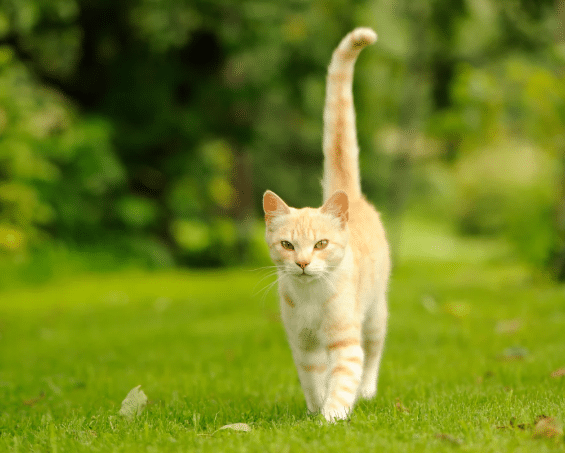
Tail Held High: A tail that stands tall and straight is a sign of confidence and happiness. Your cat feels safe and content, especially if the tip curls slightly like a question mark. This means they are comfortable and open to social interaction.
Tail Curved Like a Question Mark: When the tail forms a soft curve, it means they are playful and curious. It is an invitation to engage, so it is a great time to grab a toy and spend quality time together.
Tail Low or Between Legs: A low-hanging tail usually signals fear, anxiety, or submission. Cats do this when they feel threatened or unsure. In these moments, it is best to speak softly and remove any stress triggers.
Tail Puffed Up: If the tail suddenly puffs up like a bottlebrush, it is a sign of fear or aggression. The puffed tail makes them appear larger to ward off danger. It is important to give your cat space to avoid potential scratches or bites.
Tail Twitching Rapidly: A tail that flicks or twitches quickly is a sign of irritation or overstimulation. It is a polite way of saying they have had enough petting and would like to relax alone.
Tail Flicking Slowly: A slow flick or wave can mean focus or mild irritation. During hunting or stalking, this motion indicates deep concentration.
Tail Drooping or Limp: A tail that hangs limp or doesn’t move naturally can indicate pain, injury, or nerve damage. Cats may drag their tail after trauma or a fall, which requires urgent veterinary attention.
When Cat Tail Behaviour Indicates a Health Problem
Not every tail movement is about mood. Sometimes, unusual signs point to health issues such as tail fractures, nerve injuries, arthritis, or infections. If your cat’s tail seems stiff, swollen, or they react in pain when it is touched, you should not ignore it. These could be signs of underlying conditions that need professional care.
This is where having pet insurance becomes vital. A comprehensive plan helps you handle the unexpected without worrying about finances, covering accidents, illnesses, and treatment costs.
How Pet Insurance Supports Responsible Cat Ownership
Even the best pet parents cannot predict every health issue. While love, nutrition, and care keep your cat healthy, unexpected accidents can still happen. A dedicated health plan allows you to:
Cover vet bills for accidents and illnesses.
Receive support for diagnostic tests and surgeries.
Manage the cost of prescriptions and hospital stays.
Enjoy peace of mind knowing your pet’s health is protected.
While you learn to interpret your cat’s tail and emotions, having insurance ensures you are protected from the financial side of pet care.
Tips to Keep Your Cat’s Tail Happy and Healthy
To maintain tail health, always handle your cat with care and never pull or play roughly with their tail. Check regularly for swelling, cuts, or changes in movement. Providing high-quality food supports joint and nerve health, while a calm environment ensures they feel safe. Finally, routine check-ups with a vet can prevent small problems from becoming major issues.
Conclusion: Every Tail Movement Tells a Story
Your cat’s tail is more than just a cute feature — it is their emotional signal and an early warning system for health issues. By paying attention to these signs, you can understand your cat’s feelings and spot issues early. When health concerns arise, being prepared with a solid insurance plan ensures you can provide the care they deserve from nose to tail.
Why “Cat Healthy Food” Should Be Every Owner’s Priority
Your cat may seem independent, but when it comes to nutrition, they rely on you completely. Feeding your cat the right food Your cat may seem independent, but when it comes to nutrition, they rely on you completely. Feeding your cat the right food doesn’t just fill their bowl — it fuels their life. Therefore, choosing cat healthy food is one of the easiest ways to ensure your pet stays vibrant and strong.
A healthy diet affects everything from your cat’s energy and coat to their digestion and mood. The problem is that many pet owners unknowingly buy food loaded with fillers and artificial ingredients that can harm their cats over time. Even with the best diet, unexpected health issues can occur, which is where a reliable pet insurance plan becomes an essential safety net for managing vet bills.
Why Healthy Food Is Vital for Your Cat’s Wellbeing
Cats are obligate carnivores, meaning they need nutrients that come primarily from meat. Their bodies aren’t designed to digest large amounts of carbohydrates or plant proteins. Consequently, feeding your cat low-quality food can lead to weight gain, digestive issues, and long-term diseases like diabetes or kidney problems. High-quality, nutrient-rich cat food provides the building blocks for a stronger immune system, better coat health, and a longer life.
Signs Your Cat’s Diet Isn’t Working
Cats can’t tell you when something feels off, but their bodies will. You should watch for these telltale signs that your cat’s current food isn’t meeting their nutritional needs:
Dull or greasy coat
Excessive shedding or hairballs
Frequent vomiting or diarrhea
Weight loss or sudden gain
Lethargy or lack of interest in food
Bad breath or dental issues
These symptoms could indicate poor nutrition or underlying health issues. While a quick dietary adjustment can fix minor problems, a vet visit is crucial if symptoms persist. In fact, having a comprehensive care plan helps cover the cost of these consultations and treatments.
What Makes Cat Food Healthy?
Not all cat food is created equal. Many brands market themselves as premium while using fillers like corn or soy that offer little nutrition. Instead, you should look for real meat as the main ingredient, such as chicken, turkey, or salmon. Wet or semi-moist food is also beneficial because it supports hydration and kidney health. Furthermore, ensure the food contains essential nutrients like taurine for heart health and Omega-3 for joints. By avoiding artificial additives and added sugars, you ensure your feline friend gets a balanced diet.
Wet vs. Dry Cat Food — Which Is Healthier?
Each has its place, but wet food is often closer to a cat’s natural diet. It keeps them hydrated and is generally easier to digest. Dry food can be convenient, but cats often don’t drink enough water, which can lead to urinary problems. Therefore, the best diet often combines both, with moisture-rich food forming the majority and dry kibble used for variety or dental support. If your cat faces dietary sensitivities, insurance coverage can help offset diagnostic costs, allowing you to try new diets confidently.
How Pet Insurance Helps Manage Health Costs
Even with a perfect diet, cats can still experience health problems like allergies, food intolerances, infections, and injuries. Vet visits and medications can quickly add up, making pet insurance essential. A dedicated plan allows you to:
Cover vet bills for accidents and illnesses.
Get help paying for diagnostic tests and treatments.
Manage the cost of prescriptions and medications.
Enjoy peace of mind knowing you’re financially protected.
A Comprehensive Plan for Australian Cat Owners
A tailored care plan is an excellent way for owners to plan ahead. These plans often cover accidents and illnesses while providing options for routine check-ups. Whether your cat needs a quick check-up or long-term care, a reliable plan makes pet insurance simple and stress-free. In addition, many providers offer simple online claims processes and local support to help you focus on your pet’s recovery.
The Cost of Cat Health and Nutrition
Feeding your cat high-quality food might seem expensive at first, but it’s an investment in long-term health. Low-quality diets often lead to recurring vet visits for issues like dental disease or urinary tract infections. By combining a balanced diet with a solid insurance plan, you’re not just protecting your pet — you’re saving yourself from large, unpredictable expenses. This dual approach is why many pet owners look for trusted, locally-owned protection that understands the specific needs of their furry family.
Conclusion: Healthy Food + Insurance = A Lifetime of Protection
Feeding your cat healthy food is the foundation of lifelong wellbeing, but even the healthiest cats can face unexpected health issues. For more specific guidelines, resources like the Australian Veterinary Association provide excellent nutritional advice. By combining a nutritious diet with reliable pet insurance, you ensure your cat stays happy, healthy, and fully protected no matter what comes their way.
Dogs bring joy, loyalty, and love into our lives because they truly are family. But as pet owners, it is important to understand how to improve dogs health. Keeping them healthy isn’t always easy. From unexpected vet visits to age-related issues, ensuring your dog’s wellbeing can be both emotional and costly.
That’s why improving your dog’s health goes beyond simple feeding and exercise. It’s about combining daily wellness habits with financial protection, so you never have to compromise on your pet’s care. Having a reliable pet insurance plan provides peace of mind and supports your furry friend’s health throughout their life.
Why Your Dog’s Health Needs Regular Attention
Even the healthiest dogs need consistent care. Many health problems start subtly and, without preventive attention, they can quickly escalate. Common dog health concerns include:
Skin allergies or flea infestations
Dental disease
Obesity and joint problems
Digestive issues
Heartworm, ticks, and parasites
Unexpected accidents or infections
Some of these can be prevented with regular grooming, quality food, and vet visits. But the reality is that vet care can be expensive, and illnesses can appear without warning. This makes insurance an essential part of a dog’s health plan. According to the Australian Veterinary Association, pet insurance helps ensure pets receive timely medical treatment, reducing the risk of long-term health complications.
Common Dog Health Problems and How to Prevent Them
Prevention is always better than cure. Here are some common issues and how to keep them at bay:
Dental Disease: Brush your dog’s teeth regularly or use dental chews. Poor oral hygiene can lead to heart or kidney disease.
Obesity: Overfeeding and low activity can shorten your dog’s life. Stick to nutritionally balanced diets and regular walks.
Ear Infections: Keep ears clean and dry, especially for floppy-eared breeds.
Digestive Upsets: Avoid feeding table scraps and sudden diet changes. Consider adding probiotics for gut balance.
Everyday Tips on How to Improve Dogs Health
Improving your dog’s health doesn’t require major changes but just consistency. Here is how to keep your canine companion feeling their best:
Feed high-quality food: Choose nutritionally balanced meals tailored to your dog’s age, breed, and size.
Hydration matters: Always keep fresh, clean water available.
Exercise daily: Even small dogs need walks to stay active and prevent weight gain.
Mental stimulation: Play interactive games or provide puzzle toys to challenge their mind.
Regular vet check-ups: Annual exams help detect issues early.
Love and companionship: Dogs thrive emotionally when they feel secure and loved.
Combine these habits with the security of your pet plan to build a strong foundation for your dog’s lifelong health.
The Financial Side of Pet Health
Vet bills can catch any owner by surprise. A simple infection may cost hundreds of dollars, while surgery or hospitalization could reach thousands. Without coverage, pet owners often face difficult choices, such as delaying treatment or limiting care due to cost. However, with dog insurance, you can focus on recovery instead of expenses.
Insurance works similarly to health insurance for humans. You pay a small premium each month, and in return, your dog’s medical bills are partially or fully covered. This reduces financial stress during emergencies and helps you afford the best veterinary care.
Choosing the Right Protection
A quality care plan should offer flexible and affordable protection for dogs of all ages and breeds. When choosing a plan, consider these factors:
Coverage: Ensure both accidents and illnesses are included.
Reimbursement: Look for plans that cover prescriptions and treatments.
Support: Australian-owned and operated providers often offer more direct local service.
Flexibility: Find a plan that matches your dog’s lifestyle and your specific budget.
Conclusion: Give Your Dog the Protection They Deserve
Your dog relies on you for everything such as love, care, and safety. By learning how to improve dogs health, you’re already taking the first step toward a happier, longer life for your pet. Good nutrition, regular exercise, and preventive care go a long way, but life is unpredictable. Being prepared for the unexpected ensures your dog receives quality healthcare no matter what life brings.
Cats are more than just pets but they’re like friends. Whether your feline friend loves lounging by the window or exploring every corner of the house, keeping them healthy is one of your biggest responsibilities as a pet parent. Between vet visits, dietary needs, and unexpected illnesses, cat health care can quickly become overwhelming and expensive.
Therefore, the question is how to improve your cat’s health while staying financially secure and stress-free. The answer lies in proactive care combined with the right insurance coverage. Reliable and affordable insurance plans allow you to focus on what matters most: your cat’s well-being.
Why Your Cat’s Health Needs Consistent Attention
Cats are naturally independent, which sometimes leads owners to overlook early signs of health issues. However, even minor problems can develop into serious conditions if left untreated. Common cat health issues include:
Dental disease and plaque buildup
Fleas, ticks, and parasite infections
Urinary tract issues (UTIs)
Obesity and joint stiffness
Allergies and skin irritations
Heartworm and respiratory infections
These conditions can affect any breed, age, or lifestyle. Regular vet checkups, quality nutrition, and preventive care are key to keeping your cat healthy. Because unexpected vet bills can add up, having cat insurance is a smart, proactive solution.
Common Cat Health Problems Owners Often Overlook
Even the most caring owners can miss early warning signs. You should watch for subtle symptoms such as changes in eating habits, which can signal digestive or dental problems. In addition, increased grooming or scratching may indicate fleas or anxiety, while bad breath often points to dental disease.
Recognizing changes in litter box habits or observing less energy and hiding behavior is also vital, as these could mean pain or discomfort. Detecting these symptoms early allows for faster treatment and lower aftercosts.
Everyday Tips on How to Improve Cat Health
Improving your cat’s health is about prevention and consistency. Here are a few everyday habits that make a big difference:
Feed a Balanced Diet: Choose premium cat food with the right mix of protein, vitamins, and taurine. Avoid feeding too many treats or table scraps.
Keep Hydration in Check: Cats are prone to dehydration. Encourage water intake with a cat water fountain or by mixing wet food into their meals.
Maintain Grooming Routines: Regular brushing helps reduce hairballs and keeps the coat shiny.
Don’t Skip Dental Care: Dental disease is preventable. Regular teeth cleaning and dental treats help keep their mouth healthy.
Encourage Play and Exercise: Interactive toys prevent boredom, reduce obesity, and strengthen your bond.
Schedule Routine Vet Visits: Annual check-ups and vaccinations are essential for early detection.
Comprehensive Protection for Your Cat
A professional health plan is designed to safeguard your pet throughout their life. These plans offer comprehensive coverage for common health issues and provide affordable premiums with flexible payment options. Whether your cat is an indoor lounger or an outdoor explorer, they ensure your cute cat is protected year-round.
Furthermore, many Australian-owned providers focus on transparency, ensuring there are no hidden surprises when it comes to coverage. This focus on pet wellness helps make care accessible and stress-free for every family.
Conclusion: Love, Protect, and Care for Your Cat the Smart Way
Improving your cat’s health is about providing love and being proactive. A nutritious diet and regular vet visits are essential, but having monthly protection plans will ensure your cat always gets the best possible treatment when it matters most.
By taking these steps, you give your furry friend the care, comfort, and coverage they deserve for a long and happy life.
Toad Poisoning in Dogs Treatment: What to Do If Your Dog Encounters a Toad
Dogs are naturally curious, but in Australia, that curiosity can be life-threatening. Toad poisoning, primarily caused by the invasive Cane Toad (Rhinella marina), is one of the leading causes of emergency veterinary visits in Queensland, the Northern Territory, and parts of New South Wales.
Understanding the severity of this toxin and acting within the first few minutes can be the difference between a full recovery and a fatal outcome.
Understanding the Danger: Numbers and Facts
Toad poisoning is more than just a bad reaction; it is a chemical attack on your dog’s nervous and cardiovascular systems.
Prevalence: In regions like Brisbane, studies of emergency clinics have shown that small breed dogs account for 76% of cases, with Jack Russell, Silky, and Fox Terriers being the most frequently affected.
Survival Rates: The good news is that with prompt veterinary intervention, the survival rate is high — approximately 96% of dogs treated for toad poisoning survive.
Morbidity: While most survive, about 50–60% of cases require intensive in-hospital management to stabilize heart rhythms and control seizures.
The toxin, called bufotoxin, is a milky substance secreted from glands on the toad’s shoulders. It acts like a concentrated version of certain heart medications, causing the heart to beat irregularly or stop entirely if enough is absorbed through the gums.
Symptoms: A Rapid Progression
Symptoms often appear within 30 to 60 minutes, though severe reactions can start in just minutes. Watch for these signs:
Initial: Profuse drooling, frothing at the mouth, and bright red, slimy gums.
Progression: Pawing at the mouth, vomiting, disorientation, and a wobbly gait.
Severe: Muscle tremors, rigid limbs, seizures, and an extremely rapid or irregular heartbeat.
Immediate First Aid: The Critical Rinsing Step
If you suspect your dog has mouthed a toad, you must act before the poison fully enters the bloodstream.
Rinse the Mouth: Use a damp cloth or a very gentle stream of water from a hose.
The Right Angle: Tilt your dog’s head downwards. This prevents them from swallowing the toxin-laden water or inhaling it into their lungs (which can cause aspiration pneumonia).
The 10-Minute Rule: Continue wiping and rinsing the gums, tongue, and roof of the mouth for at least 10 to 15 minutes.
Avoid High Pressure: Never squirt water directly down the throat, as this can force the poison into the stomach or lungs.
The Financial Reality of Emergency Care
In 2025 and 2026, emergency veterinary costs in Australia have continued to rise.
Consultation: An after-hours or emergency consult typically starts between $180 and $350.
Intensive Treatment: If your dog requires IV fluids, anti-seizure medication, and cardiac monitoring, bills can easily reach $1,500 to $5,000+.
This is why having a plan like Fleamail’s Protect Your Dog Plan is vital. It ensures that when your dog is seizing or in cardiac distress, your first thought is their survival, not the thousands of dollars the treatment might cost.
Prevention Tips
Yard Maintenance: Remove standing water and turn off bright outdoor lights that attract insects (and the toads that eat them).
Nighttime Supervision: Toads are nocturnal and most active during the warmer, wetter months. Always use a leash or supervise your dog during late-night bathroom breaks.
Bells on Collars: Adding bells to your dog’s collar can help you hear when they are “suspiciously active” in the garden.