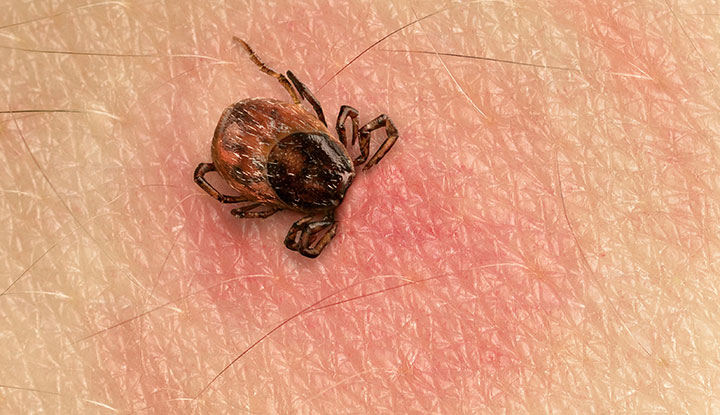
Ticks can be a nuisance for pets and humans alike, and if left untreated, they can lead to serious health problems such as Lyme disease, anaplasmosis, and babesiosis. While professional veterinary care is essential for treating tick-borne diseases, many pet owners prefer using home remedies for tick removal to safely and effectively remove ticks from their pets. In this article, we will explore some tried-and-tested home remedies for tick removal that you can use to protect your furry friends and yourself.
At Fleamail.com.au, we understand the importance of keeping your pets healthy and free from pests. That’s why we offer a range of products to help manage tick infestations and other common pet issues. Be sure to visit our site and check out our Protection Plan to ensure your pet is always protected.
Why Home Remedies for Tick Removal?
Ticks are small parasitic creatures that latch onto the skin of pets, often dogs, and humans, to feed on blood. While ticks are typically found in outdoor areas, they can also be present inside your home. Their presence is particularly alarming because ticks are vectors for several diseases, making it essential to remove them quickly.
Using home remedies for tick removal not only ensures that you are dealing with the issue naturally but also provides a cost-effective alternative to expensive veterinary treatments. Here are some effective home remedies for tick removal.
1. Using Tweezers for Tick Removal
One of the simplest and most effective home remedies for tick removal is using a pair of fine-tipped tweezers. Follow these steps for effective tick removal:
Grasp the tick as close to the skin’s surface as possible using the tweezers.
Slowly and steadily pull the tick straight out without twisting or jerking it. This ensures that the tick’s mouthparts are fully removed.
After the tick is removed, disinfect the bite area with rubbing alcohol or soap and water.
Remember, using tweezers carefully prevents the risk of leaving any parts of the tick behind, which could lead to infection. After removing the tick, check for any signs of infection and consult a vet if necessary.
2. Essential Oils for Tick Repellent
Many essential oils have tick-repelling properties, making them an excellent option for natural tick removal. Some of the most effective essential oils for ticks include:
Lavender Oil: Known for its calming properties, lavender oil also helps in repelling ticks. Dilute it with a carrier oil like coconut oil and apply it to the affected area.
Tea Tree Oil: This oil is a powerful antimicrobial agent and can help remove ticks naturally. However, it must be diluted properly, as it can be toxic to pets if used in high concentrations.
Lemon Oil: The citrus aroma of lemon oil is another great tick repellent. Mix it with water and spray it around areas where ticks are likely to be found.
Before using any essential oils on pets, especially cats, ensure that they are safe and non-toxic. A quick consultation with your vet or pet specialist can provide further guidance on essential oils suitable for your pet.
3. Vinegar and Water Solution
Vinegar is an inexpensive and effective home remedy for tick removal. Its acidic properties help to loosen the tick’s grip on the skin, making it easier to remove. Here’s how to use vinegar for tick removal:
Mix equal parts of vinegar (white or apple cider vinegar) and water in a spray bottle.
Spray the solution directly onto the tick-infested area.
Let it sit for a few minutes before gently removing the tick with a pair of tweezers.
The vinegar will help soften the tick’s attachment and make the removal process smoother. You can also use this solution as a repellent in areas prone to ticks.
4. Coconut Oil for Tick Removal
Coconut oil is another natural remedy that works wonders in tick removal. It is known for its moisturizing and anti-inflammatory properties. Here’s how you can use it:
Apply a small amount of coconut oil to the tick-infested area.
Massage it gently into the skin, allowing the oil to penetrate and loosen the tick’s grip.
Once the tick becomes loose, use tweezers to remove it.
Coconut oil is gentle and safe for pets, making it an excellent option for tick removal. It also helps soothe any irritation caused by the tick bite.
5. Tick Removal Using Alcohol
Rubbing alcohol is another effective way to remove ticks, as it kills the tick and makes it easier to remove. Follow these steps for alcohol-based tick removal:
Soak a cotton ball with rubbing alcohol and apply it to the tick.
Allow it to sit for a few minutes to ensure the tick is killed.
Once the tick is dead, use tweezers to carefully remove it.
This method works well because alcohol can also disinfect the bite area, reducing the risk of infection. However, make sure to apply the alcohol directly to the tick rather than the surrounding skin.
6. Pet-Specific Remedies
At Fleamail.com.au, we understand that your pets deserve the best protection from ticks. That’s why we offer products like flea and tick prevention treatments and collars that help eliminate ticks before they become a problem.
In addition to these home remedies, consider using our Protection Plan to keep your pets tick-free all year long. This plan offers regular treatments and ensures your pets receive the best protection from a range of pests, including ticks.
7. Preventing Ticks in the First Place
While home remedies for tick removal are great for addressing an infestation, prevention is always better than cure. Here are some tips to help you prevent ticks from infesting your pets:
Regular Grooming: Brush your pet regularly to remove ticks and fleas before they latch on.
Tick Repellent Sprays: Use tick-repellent sprays or collars to create a protective barrier around your pets.
Tick-Free Zones: Limit your pet’s access to tick-infested areas, such as tall grass or wooded areas.
Check Regularly: Inspect your pets for ticks, especially after outdoor activities.
Remember, a consistent tick-prevention routine will help avoid infestations and minimize the need for tick removal.
Conclusion
Ticks are a serious threat to both pets and humans, but with the right knowledge and tools, you can manage and prevent infestations. The home remedies for tick removal listed in this article are simple, effective, and natural options to keep your pet healthy. Whether you’re using tweezers, essential oils, vinegar, or coconut oil, make sure to remove ticks carefully to avoid any complications.
For continuous protection against ticks and other pests, don’t forget to explore Fleamail.com.au for the best pet care products and check out our Protection Plan. Ensure your pets are always safe and happy, whether they’re at home or enjoying the outdoors.
For more information on pet care, visit Fleamail.com.au and explore our range of solutions to keep your furry friends safe from ticks and other harmful pests.
Worms are more than just an annoyance, but they’re a health hazard for your beloved dog and even your family. Regular worming is essential to keeping your furry friend healthy, active, and protected from parasites. But the question remains: how often should you actually be taking the preventive care?
In this guide, we’ll break down everything Australian dog owners need to know about worming frequency, symptoms of infestation, and how to stay on top of a schedule that works for your household.
Why Worming Is Essential
Dogs are naturally curious creatures that are sniffing, licking, and chewing just about everything they find. Unfortunately, this behavior makes them prime targets for picking up parasites like:
Roundworms
Tapeworms
Hookworms
Whipworms
Heartworms (transmitted via mosquito bites)
Worms can lead to weight loss, diarrhea, lethargy, and a bloated abdomen. Some parasites are zoonotic, meaning they can pass from dogs to humans. This makes worming a matter of family health as much as pet care.
How Often to Worm Dogs: The Standard Schedule
The frequency of treatment depends heavily on the dog’s life stage. Here is the recommended protocol for Australian conditions:
1. Puppies
Puppies are at the highest risk because they often inherit worms from their mother.
2 to 12 weeks old: Every 2 weeks.
3 to 6 months old: Once a month.
2. Adult Dogs (6 months+)
For the average pet, a quarterly routine is standard.
General Rule: Every 3 months.
High-Risk Dogs: Dogs that live on farms, hunt, or live with young children should be wormed monthly.
3. Pregnant and Nursing Dogs
Treatment is vital to prevent passing larvae to the pups.
Protocol: Deworm during pregnancy and again during lactation (consult your vet for specific timing and safe products).
Factors That Affect Worming Frequency
Understanding the right schedule involves looking at your dog’s daily habits:
Location: Dogs in warmer, coastal regions of Australia are at higher risk for heartworm and certain hookworms.
Diet: If your dog scavenges or is fed a raw meat diet, monthly deworming is often safer than quarterly.
Socialization: Regular visits to dog parks or boarding kennels increase exposure.
Household: If you have toddlers or immunocompromised family members, monthly intestinal worming is recommended by the Tropical Council for Companion Animal Parasites (TroCCAP).
Choose the Successful Treatment
Worming isn’t one-size-fits-all. You need broad-spectrum solutions to tackle multiple parasites. Various formats are available to suit your dog’s preference:
Tablets: Effective and traditional.
Chewables: Often flavored like beef or chicken to make administration easy.
Spot-on Treatments: Great for dogs that refuse to swallow pills.
All-in-one Controls: Products that cover fleas, ticks, heartworm, and intestinal worms in a single dose.
Summary Reference Table
Dog Life Stage
Worming Frequency
Puppies (2–12 weeks)
Every 2 weeks
Puppies (3–6 months)
Every month
Adult Dogs (Average)
Every 3 months
High-Risk Adults
Every month
Heartworm Prevention
Every month (Year-round)
Don’t Forget the “Silent Killer”: Heartworm
While intestinal worms are a major concern, heartworm is a different beast entirely. It is transmitted by mosquitoes and lives in the heart and lungs. Unlike intestinal worming, heartworm prevention must be given monthly. Many owners choose combination products that handle both heartworm and intestinal worms at the same time.
Final Thoughts
Consistency is the secret to a parasite-free home. Don’t wait for visible symptoms like scooting or a dull coat to take action. By setting up a recurring schedule or using an auto-delivery service, you make sure your dog never misses a dose.
Ticks are annoying, they’re a serious health challenge for your loyal dog. If your furry friend is already suffering the effects of a tick infestation. Immediate and effective treatment is crucial not only for your dog’s comfort but also for their long-term health.
In this article, we’ll explore the dangers of ticks, signs of tick infestation, and how to choose the most appropriate tick removal and prevention.
Why Tick Treatment Matters for Dogs
Ticks are external parasites that latch onto your dog’s skin and feed on their blood. While that might sound gross, the real danger comes from what ticks carry: diseases like Lyme disease, ehrlichiosis, and paralysis tick poisoning. These conditions can be life-threatening if left untreated.
Many dog owners think a few ticks here and there are harmless, but tick infestations can escalate quickly. Especially in warmer months or in bushy areas, tick populations thrive. That’s why having a reliable tick control plan is essential for all pet owners.
How to Know If Your Dog Has Ticks
Some signs of tick infestation include:
Constant scratching or biting of skin
Red or inflamed areas on the skin
Visible ticks attached to the ears, neck, or underbelly
Lethargy or unusual tiredness
Loss of appetite
Difficulty walking or unsteady gait (a sign of tick paralysis)
If your dog shows any of these symptoms, act fast it’s time to search for a professional vet for your dog’s tick treatment.
What Makes a Good Dog Tick Treatment?
When choosing a tick treatment product, it’s important to select one that is both fast-acting and long-lasting. Here are some of the most effective types of treatments available:
Spot-on Treatments These are applied directly to the dog’s skin, usually between the shoulder blades. They start working within 24 hours and typically last for a month.
Oral Medications Oral tick preventatives are easy to administer and can offer up to 3 months of protection with a single chewable tablet.
Tick Collars These are worn around your dog’s neck and release tick-killing chemicals slowly over time.
Tick Sprays and Shampoos Ideal for immediate relief, especially if your dog is already infested. However, they often need to be paired with a longer-term solution.
Why Choose Fleamail.com.au for Dog Tick Treatment?
At fleamail.com.au, we understand how important your pet’s health is. That’s why we stock vet-recommended, affordable, and fast-shipping tick treatment products across Australia. Whether you’re in Sydney, Brisbane, Perth, or a remote area, our goal is to get effective tick protection to your doorstep—fast.
We’re not just a store—we’re passionate pet owners too. Every product we carry is carefully selected based on safety, customer reviews, and veterinary endorsement.
Top-Selling Tick Treatment Product on Fleamail
One of our best-rated tick prevention products is:
Bravecto for Dogs
Kills fleas and ticks within hours
Protects for 3 months with one dose
Tasty chew—no mess, no fuss
Safe for puppies over 8 weeks of age
Whether your dog lives indoors or loves the great outdoors, Bravecto is a game-changer in tick and flea protection.
Natural Prevention Tips (Alongside Treatment)
While treatment is essential, prevention plays a key role too. Here are some vet-backed tips to reduce your dog’s exposure to ticks:
Keep grass and bushes trimmed in your yard
Avoid tick-prone areas during peak seasons
Inspect your dog daily, especially after walks
Wash and sanitize bedding regularly
Use tick-repellent sprays before hikes or outdoor adventures
It is important for every careful dog owner to find a reliable solution for dog tick protection.
Tick-Borne Illnesses: Know the Risks
Understanding the threats ticks pose can help pet parents take action sooner. Some common diseases caused by ticks include:
Paralysis Tick Poisoning – unique to Australia, causes weakness, breathing issues, and even death
Babesiosis – leads to anemia, weakness, and can be fatal if untreated
These illnesses are not only painful for your dog but can also be costly in vet bills. Early treatment and preventative medication can save both money and heartache.
FAQs
Q: What’s the fastest way to remove ticks from my dog? A: Use a tick-removal tool or fine-tipped tweezers. Grasp the tick close to the skin and pull it straight out without twisting. Avoid crushing it.
Q: Can I get dog tick treatment over the counter? A: Yes. Many effective products like Bravecto, NexGard, and Advantix are available online and no prescription needed.
Q: How often should I give my dog tick treatment? A: It depends on the product. Some are monthly, others last up to 3 months. Always follow product instructions or consult your vet.
Q: Is there a dog tick treatment near me that delivers? A: Yes! fleamail.com.au delivers across all of Australia, making it easier than ever to protect your dog no matter where you live.
Final Thoughts: Act Fast, Treat Early
Ticks are high-risk parasites that require immediate intervention to prevent severe health complications. When a tick is detected on a pet, the response must be swift and methodical to ensure the parasite is removed and the risk of disease transmission is minimized.
Easy Ways to Protect Your Furry Friend From Fleas and Ticks
As a loving dog owner, you naturally want to give your furry companion the best life possible. However, fleas and ticks can make that difficult. These tiny parasites not only cause discomfort but can also transmit dangerous diseases to your pet. Following the parasite prevention guides, your dog will stay itch-free and protected all year round.
But the good news is that protecting your dog from fleas and ticks is entirely possible with the right knowledge and preventive care. In this guide, we’ll show you exactly how to protect dogs from fleas and ticks, how to spot an infestation early, and which preventive treatments work best.
Importance of Protecting Your Dog From Fleas and Ticks
Fleas and ticks may seem like small nuisances, but the problems they cause can escalate quickly if left unchecked:
Fleas cause constant itching and skin irritation, which can lead to hot spots, hair loss, and even infections.
Ticks are carriers of serious illnesses such as Lyme disease, Ehrlichiosis, and Babesiosis.
Some dogs develop allergic reactions to flea saliva (a condition called flea allergy dermatitis) that can cause severe discomfort.
Because fleas and ticks reproduce rapidly, even a few can quickly turn into a full-blown infestation in your home. Prevention is always better than cure.
How Do Fleas and Ticks Spread?
Fleas and ticks thrive in warm, humid environments and are most active in spring and summer, but with modern heating, they can also survive indoors year-round.
Here are common ways dogs get exposed:
Playing in tall grass or wooded areas
Contact with other animals (dogs, cats, wildlife)
Visiting dog parks or groomers
Fleas hitching a ride on shoes, clothing, or bags brought indoors
Once indoors, fleas can lay thousands of eggs in carpets, bedding, and furniture, which will make eradication difficult.
Proven Tips to Protect Dogs from Fleas and Ticks
Now, let’s get to the heart of the matter: how to protect dogs from fleas and ticks effectively.
Early detection is key when protecting dogs from fleas and ticks.
Common signs of fleas:
Excessive scratching, licking, or biting
Flea dirt (tiny black specks on skin or bedding)
Visible fleas on the skin
Hair loss or red, irritated skin
Common signs of ticks:
Small bumps on the skin
Tick attached to the skin
Lethargy or reduced appetite
Fever or lameness after tick exposure (requires vet attention)
If you notice any of these signs, consult your vet immediately and treat both your dog and your home environment.
Common Myths About Fleas and Ticks
Let’s bust some common myths so you can better protect your dog:
Myth 1: Fleas and ticks are only a problem in summer. Truth: With modern heating and global climate change, fleas and ticks can survive indoors and outdoors year-round.
Myth 2: Indoor dogs don’t need flea and tick protection. Truth: Fleas can hitch a ride into your home on shoes, clothes, or visitors because no dog is 100% safe.
Myth 3: Natural remedies alone can protect my dog. Truth: While natural sprays may help repel parasites, they are not as effective as proven veterinary treatments for complete protection.
As a loving pet owner, protecting your furry companions from harmful parasites is one of your most important responsibilities. Fleas, ticks, intestinal worms, and heartworms can silently invade your pet’s body, causing discomfort, disease, and even life-threatening complications. But high-quality parasite prevention doesn’t need to come with a hefty price tag.
Understand that your pet’s well-being is non-negotiable. We will discuss how to access affordable pet parasite control in 2026 without compromising on safety or quality.
Why Parasite Control Is Critical for Pet Health
Parasites are a year-round threat in the Australian climate. Neglecting prevention can lead to:
Fleas: Intense itching, dermatitis, and anemia.
Ticks: Carriers of deadly diseases and tick paralysis, which can be fatal within 24 hours.
Intestinal Worms: Roundworms, hookworms, and whipworms cause nutritional deficiencies and can even infect humans.
Heartworms: Transmitted by mosquitoes, these live in the heart and lungs, causing irreversible organ damage.
The Hidden Cost of Neglecting Prevention
Many owners skip monthly doses to save money, but the “remedy” is significantly more expensive than the prevention. In 2026, vet costs for parasite-related emergencies continue to rise:
Condition
Potential Treatment Cost (AUD)
Preventive Cost (Monthly)
Tick Paralysis
$2,200 – $26,000+
~$15 – $35
Heartworm Disease
$1,500 – $3,000
~$10 – $25
Severe Flea Infestation
$300+ (Vet + Home Treatment)
~$10 – $20
What to Look for in Affordable Parasite Control
When choosing a budget-friendly plan, prioritize value over price. A “cheap” product that misses heartworm or ticks isn’t a bargain—it’s a gap in protection.
Broad-Spectrum Protection: Look for “All-in-One” solutions (like NexGard Spectra or Simparica Trio) that cover fleas, ticks, heartworm, and worms in one dose.
Vet-Recommended Formulations: Ensure the active ingredients (like Afoxolaner or Sarolaner) are proven effective for Australian conditions.
Subscription Savings: Subscription models like fleamail.com.au often provide significantly lower rates than one-off retail purchases.
Find Your Trusted Parasite Management Service
Professional subscription services provide a structured approach to pet health by ensuring medications are accessible and accurate. These models focus on several key areas:
Cost-Efficiency: Sourcing veterinary-approved products at rates lower than traditional clinics helps make long-term care more affordable.
Precision Dosing: Treatments are tailored to the specific weight and species of the pet, ensuring they receive the correct amount of medication as they grow.
Reliable Logistics: Automated shipping removes the need for travel and ensures the treatment is available when the next dose is due.
Plan Flexibility: Most services allow for pausing or canceling without contracts, providing better control over the household budget.
The all-in-one monthly solution is a gold standard. It provides comprehensive protection against fleas, ticks, heartworm, and intestinal worms in a single easy-to-administer dose.
Worming Your Dog: A Vital Health Protocol for Australian Pups
Worming your dog is a cornerstone of responsible pet ownership. Whether you’re a first-time owner or an experienced hand, understanding the correct frequency for parasite prevention is essential to your dog’s longevity and your family’s safety.
In Australia, the warm climate and active outdoor lifestyle make our pets particularly susceptible to intestinal parasites. This guide outlines the essential schedules, symptoms, and strategies for a worm-free life.
Worming Is a Non-Negotiable
Intestinal worms are silent invaders. Even “indoor” dogs can be affected by microscopic eggs brought in on shoes or transmitted via a single flea.
Digestive Health: Worms compete for nutrients, leading to weight loss and lethargy.
Family Protection: Several parasites, such as Roundworms and Hookworms, are zoonotic, meaning they can pass to humans—especially children who play in the dirt or share close contact with pets.
Preventing Complications: Left untreated, a high “worm burden” can lead to anemia, intestinal blockages, or death, particularly in young puppies.
The Australian Worming Schedule
Frequency is determined by your dog’s life stage and exposure risk. Following these guidelines ensures they are protected during their most vulnerable moments.
1. Puppies: The High-Risk Phase
Most puppies are born with worms or contract them via their mother’s milk.
2 to 12 Weeks: Worm every 2 weeks.
12 Weeks to 6 Months: Transition to monthly treatments.
2. Adult Dogs: Standard Maintenance
For the average Australian dog living in a suburban or urban environment:
Standard Rule: Worm every 3 months (quarterly).
High-Exposure Rule: If your dog hunts, eats raw offal, or spends time on a farm, your vet may recommend monthly intestinal worming.
3. Senior Dogs: Support for Aging Immunity
Dogs over 7 years old may have slightly weaker immune systems.
Schedule: Maintain the 3-month routine, but pair it with bi-annual vet check-ups to ensure their weight and nutrient absorption remain stable.
Common Parasites in Australia
Worm Type
Key Symptoms
Transmission
Roundworm
“Pot-bellied” appearance, dull coat.
Eggs in soil; mother’s milk.
Hookworm
Anemia, bloody diarrhea, skin lesions.
Skin penetration or ingestion.
Tapeworm
Itchy rear (scooting), rice-like grains in stool.
Ingesting infected fleas or raw offal.
Whipworm
Chronic diarrhea, weight loss.
Ingesting eggs from contaminated soil.
How to Choose the Right Treatment
When selecting a product, look for “All-Wormers” that cover the four major intestinal parasites mentioned above.
Tablets & Chews: Highly effective for most dogs. Brands like Drontal or Milbemax are Australian favorites for their broad-spectrum coverage.
Combination Products: If you prefer to handle everything at once, products like NexGard Spectra or Simparica Trio cover fleas, ticks, heartworm, and intestinal worms in a single monthly chew.
Topical (Spot-On): Ideal for dogs that are difficult to pill, such as Advocate. Note: Many spot-ons do not cover tapeworm, so a separate tapeworm tablet may be needed every 3–6 months.
3 Tips for a Worm-Free Home
Clean Water: Discourage your dog from drinking out of stagnant puddles or communal bowls where other animals may have left larvae.te-free life.
Scoop the Poop: Remove waste from your yard immediately. Worm eggs can survive in the soil for years.
Flea Control: Since fleas carry tapeworm eggs, consistent flea prevention is actually part of your worming strategy.