How to Improve Your Pet’s Wellness with Simple Daily Habits

How to Improve Your Pet’s Wellness with Simple Daily Habits

Small daily habits can have a big influence on pet

As pet owners, one of our main goals is to ensure our furry friends lead long, healthy, and happy lives. Just like humans, pets need regular care to maintain their wellness. Their physical health, mental stimulation, and overall well-being rely on a combination of factors, from nutrition and exercise to routine vet check-ups. If you’re looking to improve your pet’s wellness, it doesn’t have to be difficult or time-consuming. Small daily habits can have a big impact on your pet’s quality of life.

In this article, we’ll walk through some simple yet effective habits you can introduce into your pet’s routine to improve their wellness. Whether you have a playful puppy, an independent cat, or another type of pet, these tips will help you ensure they stay healthy and happy.

1. Provide Balanced Nutrition for Your Pet’s Wellness

Proper nutrition is the foundation of your pet’s wellness. Just like people, pets need a well-rounded diet to stay healthy. Every pet is different, so make sure you’re choosing the best food for your pet’s breed, age, and size. A balanced diet supports their energy levels, boosts their immune system, and promotes good digestion.

For dogs and cats, protein is essential for building strong muscles and tissues, while healthy fats contribute to a shiny coat and healthy skin. Make sure you feed your pet a high-quality, nutrient-rich food that meets their specific needs. Additionally, ensure your pet always has access to fresh, clean water.

Don’t forget about portion control! Obesity is a common problem in pets and can lead to various health issues. Talk to your vet about the best serving size for your pet based on their weight and activity level. Proper nutrition is a simple habit that will make a world of difference in your pet’s wellness.

2. Establish a Routine for Exercise and Play
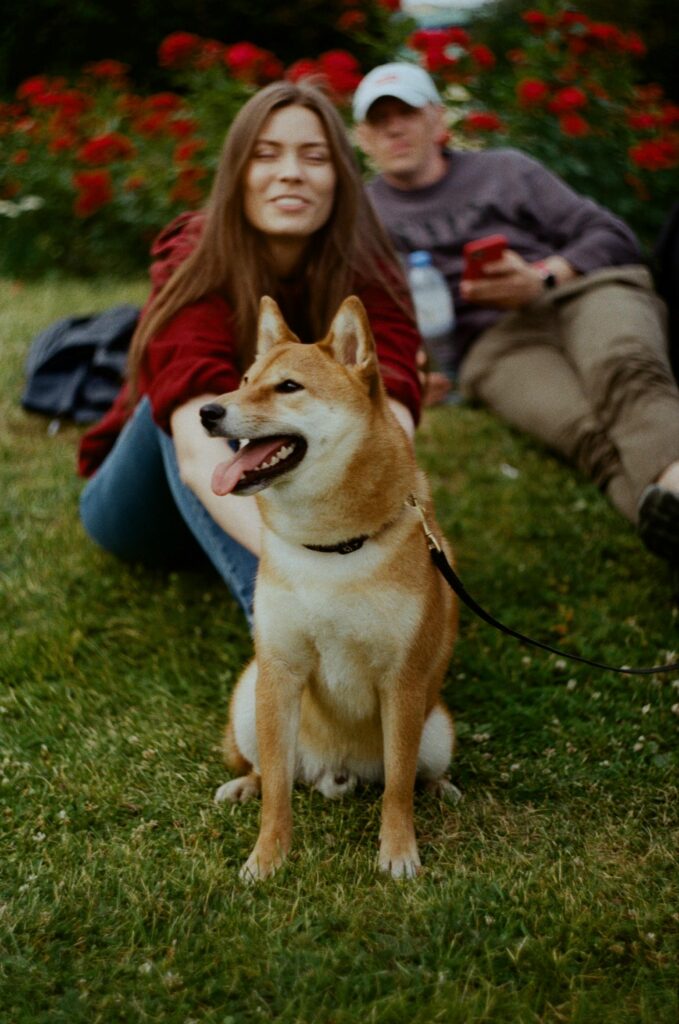
Pet’s Wellness

Exercise is crucial for maintaining your pet’s physical health and mental well-being. Regular exercise helps prevent obesity, strengthens muscles, and boosts overall health. For dogs, this often means daily walks or playtime. Cats, on the other hand, benefit from interactive toys or short play sessions to help them burn energy and stay active.

Developing a daily exercise routine is one of the best ways to improve your pet’s wellness. If you have a dog, aim for at least 30 minutes to an hour of exercise each day, depending on the breed. For cats, engaging them with toys that mimic prey, like laser pointers or feather wands, can keep them active and entertained.

Exercise also benefits your pet’s mental health. Regular play stimulates their brains, reduces boredom, and helps prevent destructive behaviors. Whether it’s fetch for dogs or chasing a string for cats, exercise is an easy habit that can go a long way in improving your pet’s wellness.

3. Regular Grooming for a Healthier Coat and Skin

Grooming is not just about keeping your pet looking their best. It’s also an essential part of their wellness routine. Regular grooming helps remove dirt, debris, and loose hair, while also promoting better circulation and skin health. Brushing your pet’s coat can prevent matting, reduce shedding, and improve their overall comfort.

For dogs, the frequency of grooming depends on the breed. Long-haired breeds may require daily brushing, while short-haired dogs might only need grooming once a week. Cats are generally good at grooming themselves, but brushing them regularly can help reduce hairballs and keep their coat shiny.

In addition to brushing, make sure to check your pet’s ears, teeth, and nails. Regular dental care can prevent oral diseases, while trimming your pet’s nails ensures they don’t become too long and cause discomfort or injury.

4. Keep Your Pet’s Environment Clean and Safe

A clean environment is crucial for your pet’s wellness. Make sure their living space is free from harmful substances, pests, and dirt. Regularly clean their bedding, toys, and food bowls. Ensure they have a designated space where they can relax comfortably and feel safe.

If you’re concerned about fleas, ticks, or other parasites, it’s essential to keep up with regular treatments. Products like flea treatments, tick preventatives, and flea collars can be a part of your daily routine to prevent infestations. You can also make sure to vacuum your home regularly to eliminate pet hair and any pests that may be hiding in the corners.

A clean environment isn’t just about tidiness; it’s also about safety. Ensure your home is pet-proof by removing hazardous items or chemicals from places your pet can reach. Keeping their environment clean and secure is a key step in supporting your pet’s wellness.

5. Regular Vet Check-Ups and Preventative Care

Taking your pet to the vet regularly is essential for their wellness. Routine check-ups allow your vet to catch any potential health issues early and recommend preventive care. Regular vaccinations, flea and tick treatments, and heartworm prevention are just some of the ways to ensure your pet stays healthy.

During these visits, make sure to ask your vet about your pet’s diet, exercise, and any other concerns you may have. Your vet can also offer specific advice on how to improve your pet’s wellness based on their breed and age.

In addition to regular vet visits, be proactive about parasite prevention. Fleas, ticks, and worms can all negatively impact your pet’s health. Preventative treatments are a simple way to protect your pet from these common health issues.

6. Mental Stimulation for a Happier Pet

Mental stimulation is just as important as physical exercise for your pet’s wellness. Pets, especially dogs, need activities that engage their minds. Puzzle toys, training sessions, and interactive games can help keep your pet mentally sharp and prevent boredom.

For dogs, teaching them new tricks or introducing them to different environments can provide mental challenges. For cats, toys like treat dispensers or interactive games can keep them entertained and engaged.

Mental stimulation helps reduce stress and anxiety, leading to a happier pet. So, make it a habit to provide your pet with regular opportunities to challenge their minds. This simple daily activity can significantly improve your pet’s wellness in the long run.

7. Show Your Pet Love and Affection

Pets thrive on love and attention. Emotional wellness is just as important as physical health. Take time each day to bond with your pet, whether it’s through cuddles, petting, or simply spending time together. Your affection makes them feel secure and loved.

Affection can also reduce stress and anxiety, which directly contributes to your pet’s overall wellness. A strong bond with you can make them feel more comfortable and content, improving their quality of life.

Conclusion

Improving your pet’s wellness doesn’t have to be complicated. By incorporating these simple daily habits into your pet’s routine, you can ensure they lead a healthy, happy, and fulfilling life. Whether it’s feeding them a balanced diet, giving them enough exercise, grooming regularly, or providing mental stimulation, small daily habits can make a big difference.

If you want your pet to live their best life, start with these simple practices today. By focusing on their wellness, you can help them stay healthy and enjoy many years of companionship and joy.

Dental Health: The Mouth Maestro

Dental Health: The Mouth Maestro

Orchestrating Oral Health: A Guide to Pet Dental Care

Our pets’ mouths are like musical instruments, creating a symphony of chomps, licks, and purrs. But if their teeth and gums aren’t in tip-top shape, the music can quickly turn sour. To maintain a harmonious mouth, it is vital to establish a regular dental care routine that includes teeth brushing, dental chews, and professional cleanings. By keeping their teeth and gums healthy, we can prevent bad breath and painful dental issues, ensuring our pets can continue to serenade us with those adorable sounds and affectionate licks.

Common Dental Ailments: Tuning Out the Trouble

When oral hygiene is neglected, several conditions can disrupt the melody of your pet’s health. Understanding these common issues is the first step toward a pain-free mouth.

Gingivitis (The Irritated Musicians)

Gingivitis occurs when bacteria in the mouth form plaque on the teeth, causing inflammation of the gum tissue. Picture your pet’s gums as the orchestra’s sensitive violinists. Now imagine a conductor poking their musicians with a baton while they are trying to play. This is incredibly irritating. The immune system’s response to this constant irritation leads to swelling and discomfort. By brushing your pet’s teeth regularly and providing them with dental chews, you can help prevent plaque build-up and keep their gums in line.

Periodontal Disease (The Crumbling Stage)

Now imagine the orchestra’s stage crumbling beneath them. That is periodontal disease. This condition happens when plaque and tartar buildup on the teeth cause damage to the surrounding gum tissue and the structures holding the teeth in place. As the condition progresses, the bone and ligaments supporting the teeth are destroyed, which may cause teeth to become loose or even fall out. Regular dental cleanings and good oral hygiene can help keep your pet’s dominoes standing strong and prevent permanent structural damage.

Tooth Decay (The Woodwind Termites)

Tooth decay occurs when acids produced by bacteria in plaque break down the tooth’s enamel, creating small holes or cavities. It is like termites being let loose in the woodwind section. Left untreated, decay can reach the tooth’s sensitive inner layers, causing significant pain and infection. Bacteria in your pet’s mouth feast on leftover food and form plaque, which can lead to cavities, toothaches, and foul breath. To keep the termites at bay, maintain a consistent dental care routine including tooth brushing and providing dental-friendly toys and treats.

Building a Harmonious Dental Routine

Prevention is much more effective and less expensive than treating advanced dental disease. Here is how to build a routine that works for both you and your pet.

  • Daily Brushing: This remains the gold standard for pet dental care. Use a toothbrush and paste specifically designed for pets—never use human toothpaste, as it contains ingredients like xylitol or fluoride that are toxic to animals.

  • Dental Chews and Diets: Mechanical abrasion from chewing can help scrape away soft plaque before it hardens into tartar. Many veterinary-approved chews also contain enzymes that help break down bacteria.

  • Regular Inspections: Once a week, lift your pet’s lips to look for red gums, yellow-brown tartar, or broken teeth. Early detection of a small problem can prevent a major surgery later on.

Warning Signs of Dental Distress

Because pets are stoic, they often continue to eat even when their mouths are in significant pain. Look for these subtle “sour notes”:

  1. Foul Breath: While “dog breath” is common, an unusually strong or rotting smell is a clear sign of infection.

  2. Drooling or Pawing: Excessive saliva or a pet constantly rubbing their face against furniture can indicate a toothache.

  3. Eating Habits: If your pet starts dropping food, chewing only on one side of their mouth, or suddenly prefers soft food over kibble, their teeth may be bothering them.

  4. Blood on Toys: Seeing pink or red tinges on chew toys or in the water bowl often points to bleeding gums.

By prioritizing oral health, you are protecting more than just your pet’s teeth. Bacteria from the mouth can enter the bloodstream and affect the heart, liver, and kidneys. A clean mouth is truly a gateway to a healthier, longer life.


Flea & Worming delivered by Aussie Vets monthly!

Try your first month for just $10!

Gut & Digestive Health: The Food Factory

Gut & Digestive Health: The Food Factory

The Magical Factory: A Guide to Pet Digestive Health

Our pets’ digestive systems are like magical factories, turning their favourite treats into the energy and nutrients they need to live their best lives. But just like any busy facility, these factories occasionally experience hiccups that can bring production to a halt. To keep the factory running smoothly, we need to provide our pets with a well-balanced diet, monitor their eating habits, and ensure they have access to plentiful, clean water. A happy gut makes for a happy pet, and understanding how this system works is the first step toward long-term wellness.

Common Gut and Digestive Ailments

When the digestive process goes off track, it usually manifests in one of three common ways. Here is how to recognize the signs and manage them at home.

Vomiting (The Reverse Conveyor Belt)

Picture a factory’s conveyor belt suddenly going in reverse. That is what happens when your pet’s stomach decides it is not happy with its recent snack, sending it back the way it came. Vomiting is a reflex action that occurs when the stomach muscles contract forcefully to expel contents. This can be caused by various factors, such as overeating, eating something toxic, or a sudden change in diet.

Just like humans, pets might have a “one-off” upset. If your pet is sick once or twice but still seems bright, you do not necessarily need to rush to the clinic immediately. To help them bounce back, keep them off food for twelve hours to let the stomach settle. Afterward, offer small, bland meals like boiled chicken and rice. However, if the vomiting persists for longer than twelve hours or is accompanied by lethargy, it is time to consult your veterinarian.

Diarrhea (The Rushed Assembly Line)

When the factory’s assembly line moves too fast, it does not have time to package everything properly. Diarrhea is exactly like that—your pet’s gut rushes through the process, leaving their poop loose and watery. This occurs when food moves too quickly through the digestive tract, resulting in incomplete absorption of nutrients and excess water in the stool.

This often happens due to dietary indiscretion (eating something they should not have) or food sensitivities. To slow down the slide, provide a bland diet—chicken and rice are the winners here again—and focus on hydration. If the diarrhea continues or worsens over a twenty-four-hour period, professional advice is necessary to rule out infections.

Constipation (The Logjam)

In this case, the factory line is moving too slowly, and the packages get stuck. Poor digestion and dehydration can cause constipation, making it difficult for your pet to pass waste. This happens when the stool becomes too dry and hard to move through the colon. Contributing factors often include a lack of fibre, insufficient water intake, or a sedentary lifestyle. To help the conveyor belt run smoothly, increase their fibre intake, encourage them to drink more water, and ensure they get regular exercise to stimulate natural gut movement.

Supporting a Healthy Gut Environment

Beyond managing occasional upsets, you can proactively support your pet’s digestive factory to prevent issues before they start.

  • Probiotics and Prebiotics: These are the “quality control managers” of the gut. Adding these to your pet’s diet helps promote a healthy environment where good bacteria can thrive. This supports better nutrient absorption and strengthens the immune system.

  • Consistent Feeding Schedules: Feeding your pet at the same time every day helps regulate the digestive rhythm, making it easier for the “factory” to predict and process incoming shipments of food.

  • Safe Treat Choices: While it is tempting to share table scraps, many human foods are too rich or oily for the pet digestive system. Stick to treats specifically designed for their species to avoid unnecessary “conveyor belt” malfunctions.

Tailored to your pet by Aussie Vets!

Coat and Skin Health of Pets: A Furry Fashion Show

Coat and Skin Health of Pets: A Furry Fashion Show

Superstar Style: A Guide to Pet Coat and Skin Health

A pet’s coat is their finest outfit, and their skin is the foundation that holds it all together. Keeping them looking and feeling fabulous is a must, not only for the photos but primarily for their health and wellbeing. If you had to wear the same pants and shirt every day, you would probably want to look after them. To maintain their stylish and functional appearance, it is essential to groom them regularly, choose a balanced diet, and provide consistent parasite prevention. Besides looking good, a healthy coat and skin serve as a vital protective barrier against infections and harsh environmental elements.

Common Coat and Skin Ailments: The Fashion Emergencies

When your pet’s “outfit” starts looking a bit worn or they seem uncomfortable, it is usually due to one of these common skin conditions.

Fleas (The Uninvited Party Guests)

Imagine a bunch of unwashed and uninvited guests at a party on your pet’s skin. Fleas are external parasites that feed on your pet’s blood, causing intense itchiness and irritation. As your pet scratches and bites to relieve the itch, they may damage their skin, leading to red inflammation and secondary infections. To make matters worse, these guests will often make a b-line for you and your furniture. To evict these unwanted party crashers, use flea preventatives regularly and keep your pet’s living environment clean and free of potential hiding spots for eggs and larvae.

Dermatitis (The Itchy Christmas Sweater)

Dermatitis is a general term for skin inflammation often caused by allergies, infections, or irritants. Think of it like a red, itchy Christmas sweater your nan bought you—except you cannot take it off. That is dermatitis. It makes your pet’s skin irritated and inflamed, which is not fashionable at all. When the skin’s protective barrier is compromised, it becomes susceptible to further infection. To soothe this itchy “sweater,” a vet will help identify and eliminate the underlying cause and provide treatment such as medicated shampoos, soothing creams, or oral medications.

Mange (The Microscopic Squatters)

Mange is a skin condition caused by microscopic mites that burrow into the skin, leading to hair loss, redness, and intense itching. These tiny critters move into your pet’s fur like microscopic squatters, which is hardly runway material. There are two main types: sarcoptic mange (scabies) and demodectic mange. Each type is caused by a different mite and requires specific treatment. Sometimes, these mites are also a sign that a pup may have an underlying immune condition. To evict these unwelcome tenants, consult a veterinarian for an accurate diagnosis and appropriate medicated baths or medications.

The Secrets to a Runway-Ready Coat

Maintaining that superstar glow requires a holistic approach that goes deeper than just the surface of the fur.

  • Nutrition from Within: A shiny coat starts in the kitchen. Diets rich in Omega-3 and Omega-6 fatty acids act as natural conditioners, keeping the skin supple and the fur glossy. Look for ingredients like fish oil or flaxseed to give that extra boost of radiance.

  • The Power of the Brush: Regular grooming is not just about removing tangles. Brushing stimulates the skin’s natural oils and spreads them across the coat, providing a natural shine. It also serves as a great “daily inspection” where you can spot any new lumps, bumps, or parasites before they become a major problem.

  • Hydration for Skin Elasticity: Just like humans, dehydrated pets can end up with dry, flaky skin. Ensure fresh water is always available to keep their skin hydrated and resilient against irritants.

Proactive Protection and Maintenance

Roll out the red carpet and give your pets the superstar treatment they deserve with these daily habits.

  1. Seasonal Awareness: Be aware that your pet’s skin needs change with the weather. Winter air can be drying, while summer humidity can lead to “hot spots” or fungal issues. Adjust your grooming routine accordingly to keep them comfortable.

  2. Safe Bathing Practices: While cleanliness is key, over-bathing can strip away essential oils and lead to itchy, dry skin. Always use a soap-free shampoo specifically formulated for the pH level of a pet’s skin rather than using human products.

  3. Environment Control: Keep the “runway” clean by vacuuming regularly and washing pet bedding in hot water. This prevents the buildup of dust mites and dander that can trigger allergic dermatitis.

By staying vigilant and prioritizing skin health, you ensure your pet doesn’t just look like a superstar—they feel like one too. 


Peace of mind, delivered.

By Aussie Vets!

Joint Health: The Dance of the Joints

Joint Health: The Dance of the Joints

Keeping the Zoomies Alive: A Guide to Pet Joint Health

Our pets’ joints are like the hinges of a door, allowing them to run, jump, and perform all those legendary “zoomies.” But just like any well-used hinge, these joints can get “rusty” over time. To keep our furry friends moving smoothly, we need to keep those hinges well-oiled through a combination of healthy weight management, proper nutrition, and consistent, low-impact exercise.


Common Joint Ailments: The “Rust” in the Hinge

Joint issues often develop gradually, but understanding the specific “malfunction” can help you choose the right care strategy.

Arthritis (The Squeaky Hinge)

Think of arthritis as a rusty hinge that makes every movement stiff and painful. In scientific terms, this occurs when the protective cartilage—the shock absorber between bones—wears down. This creates friction, leading to inflammation and discomfort.

  • The Fix: Maintaining a lean body weight is the #1 defense against arthritis. Adding supplements like Glucosamine and Chondroitin helps by providing the building blocks for new cartilage and keeping the joint fluid “slippery.”

Hip Dysplasia (The Ill-Fitting Hinge)

Picture a door where the hinge was installed slightly crooked. In hip dysplasia, the ball and socket of the hip joint don’t fit together snugly. This instability causes the joint to “waddle,” leading to abnormal wear and tear.

  • The Fix: While often genetic, early diagnosis is key. Management includes physical therapy to strengthen the surrounding muscles and keeping the pet lean to reduce the load on the unstable joint.

Ligament Tears (The Snapped Rubber Band)

Imagine a door held together by strong rubber bands—and suddenly, one snaps. This is exactly what happens with a ligament tear, most commonly the Cranial Cruciate Ligament (CCL) in a dog’s knee.

  • The Fix: Tears are often sudden and painful. Depending on the severity, treatment ranges from strict rest and anti-inflammatories to surgical stabilization (like a TPLO procedure) to restore the “hinge” to its proper working order.

Proactive Joint Care: “Oiling” the System

You don’t have to wait for a limp to start caring for your pet’s joints. Modern veterinary medicine emphasizes a multi-modal approach to keep pets flexible as they age.

  • Targeted Supplements: Beyond Glucosamine, look for Omega-3 Fatty Acids (like fish oil or Green-Lipped Mussel). These are powerful natural anti-inflammatories that help reduce the “rust” buildup in the joints.
  • Low-Impact Zoomies: Movement keeps joints lubricated, but high-impact jumping can cause damage. Opt for swimming, gentle leash walks on soft grass, or “nose work” games that keep them moving without the heavy impact of jumping.
  • Home Modifications: For senior pets, small changes make a big difference. Use ramps for cars or couches, and place non-slip rugs on hardwood floors to prevent “Bambi-on-ice” moments that strain the ligaments.

Recognizing the Early Signs of “Stiffness”

Pets are masters at hiding pain, so the signs of a “rusty hinge” are often subtle:

  1. The “Slow Start”: Difficulty standing up after a nap or stiffness that disappears once they’ve warmed up.
  2. Reluctance: Hesitating before jumping into the car or avoiding stairs they used to climb easily.
  3. Behavioral Shifts: Being unusually grumpy when touched near the hips or back.
  4. Excessive Licking: Constant grooming or nibbling at a specific joint (like a wrist or knee).

The Role of Consistent Care

Just as you wouldn’t oil a door once and expect it to never squeak again, joint health requires a lifelong commitment. Regular veterinary check-ups allow for early detection, often through gait analysis or X-rays, before the damage becomes severe. By combining a healthy diet with the right supplements and a safe exercise routine, you can ensure your pet keeps their “smooth moves” well into their golden years.

10 Ways to Care for the Planet While Caring for Your Pet

10 Ways to Care for the Planet While Caring for Your Pet

  1. Use biodegradable poop bags

There’s nothing like the smell of fresh poop in the morning. But instead of using plastic bags that take years to decompose, opt for biodegradable poop bags. Your nose, your pet and the planet will thank you. They’re also affordable and easy to find online. 

  1. Get a doggy bike trailer 

Do you love to bike but feel guilty leaving your dog at home? Get a doggy bike trailer! You can ride together and reduce your carbon footprint while getting some great exercise. Why not try riding to the dog park instead of driving there! 

  1. Grow your own catnip 

Cat owners, listen up! Instead of buying catnip from the store, why not grow your own? It’s easy, fun, and saves you money. The plant thrives in the warmth so it’s best to get planting in spring or summer but if you’re in the tropical or subtropical regions of Australia you can still get away with growing catnip in autumn. 

  1. Clean as you walk 

Exercise is important for both you and your pet, but why not make it eco-friendly? While walking your dog (or very active cat) bring a spare rubbish bag and pick up rubbish as you go. Not only will this help preserve the beautiful path you walk along but it will also make you look (and feel) like a total eco warrior. 

  1. Adopt, don’t shop 

When looking for a new furry friend, consider adopting from a shelter or rescue organisation. You’ll be saving a life and reducing the demand for puppy mills. 

  1. Donate old pet items 

 If your pet has outgrown their toys or no longer uses their bed, don’t throw them away! Donate them to a local shelter or rescue organisation. Beds especially can get expensive for rescue organisations to buy brand new and we all know some of our most picky furry friends all have that one bed they avoid at all costs for no good reason – why not donate it!

  1. Teach your pet to turn off the lights 

Okay, this one might be a little challenging, but imagine if your pet could turn off the lights when they leave a room? That’s one way to reduce your electricity bill and save the planet.

  1. Feed your pets responsibly 

If you’re feeling adventurous, why not make your pet’s food from scratch? You’ll know exactly what’s in it and it’ll reduce the packaging waste from store-bought food. This is a great way to cater to your pets’ particular breed or nutritional needs. 

  1. Avoid over consumption 

There are many days of the year we may want to spoil our pets with plastic toys but consider pampering them with a range of different gifts that won’t just end up in landfill one day. What about a walk in a new place, spoiling them with some extra special treats or throwing them a birthday party where they get to play with all their furry friends. 

  1. Upcycle old fabric into pet accessories 

Textiles are quickly becoming some of the biggest contributors to landfill, so instead of throwing that old t-shirt in the bin, make a tug of war toy out of it by knotting it with some other old shirts. You can also donate old towels or sheets to your dog’s bed for them to cuddle up in. Tired of that pair of jeans? I know just the cat that’s been itching to scratch on them since you bought them! Get creative and have fun with this one. 

Feline Plus

Cats up to 10kg

50% Off First Month!

$11.49

Fleas
Lice
Mites (inc ear)
Heartworm
Lungworm
ALL Intestinal worms (inc Tapeworm)

+ PLUS +

Paralysis Ticks
Bush Ticks
Brown Dog Ticks

For all of your membership information including products used Click Here

Feline Essential

Cats up to 10kg

50% Off First Month!

$8.49

Fleas
Flea Larvae
Lice
Mites (inc ear)
Mange
Heartworm
Lungworm
Hookworm
Whipworm
Roundworm
Tapeworm

For all of your membership information including products used Click Here

Canine Plus

Dogs over 20kg

50% Off First Month!

$13.49

Fleas
Lice
Mites (inc ear)
Heartworm
Lungworm
ALL Intestinal worms (inc Tapeworm)

+ PLUS +

Paralysis Ticks
Bush Ticks
Brown Dog Ticks

For all of your membership information including products used Click Here

Canine Essential

Dogs Over 20kg

50% Off First Month!

$10.49

Fleas
Flea Larvae
Lice
Mites (inc ear)
Mange
Heartworm
Lungworm
Hookworm
Whipworm
Roundworm
Tapeworm

For all of your membership information including products used Click Here

Canine Plus

Pups and dogs under 20kg

50% Off First Month!

$12.49

Fleas
Lice
Mites (inc ear)
Heartworm
Lungworm
ALL Intestinal worms (inc Tapeworm)

+ PLUS +

Paralysis Ticks
Bush Ticks
Brown Dog Ticks

For all of your membership information including products used Click Here

Canine Essential

Pups and Dogs up to 20kg

50% Off First Month!

$9.49

Fleas
Flea Larvae
Lice
Mites (inc ear)
Mange
Heartworm
Lungworm
Hookworm
Whipworm
Roundworm
Tapeworm

For all of your membership information including products used Click Here</a