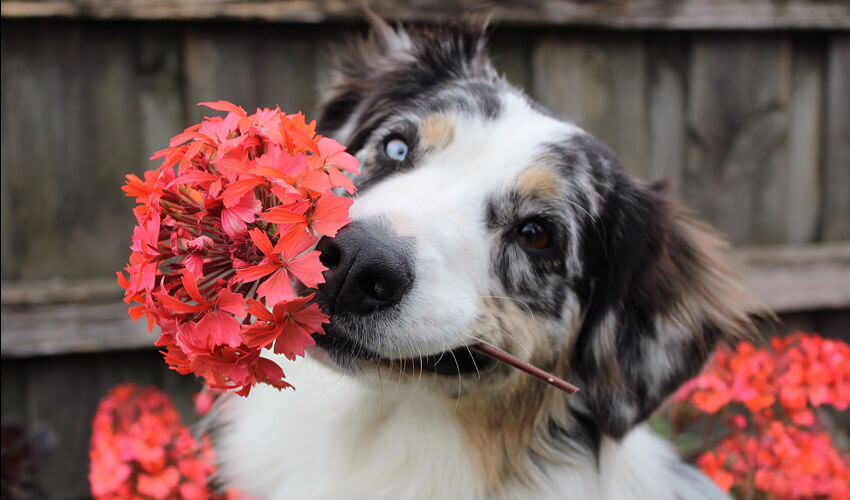
Spring Has Sprung here in Australia!
With the warming weather, increase in outside adventures, and escalation of playdates, it’s time to do a quick clear out of the winter clutter and prep for the good times. From a deep clean to a medication check and grooming, there’s lots that can be done to ensure the well-being of pets as the weather blossoms.
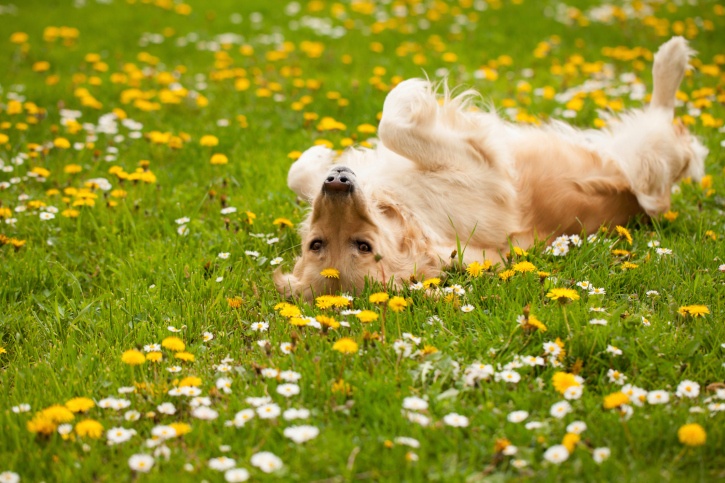
Spring Cleaning and Grooming
As the seasons shift and the weather warms, it is the perfect time to refresh your pet’s environment and appearance. Over the winter months, dust, dander, and fur tend to accumulate in the home, creating a haven for pests and allergens. By following a structured cleaning and grooming routine, you can ensure your pet stays comfortable, healthy, and ready for outdoor adventures.
The Big Wash: Toys and Bedding
If your pet’s favorite teddy is starting to smell a bit “woofy,” it is time to refresh their toy collection. Most toys, even those with squeakers or crinkle paper, can survive a cycle in the washing machine. It is best to use an all-natural, unscented detergent rather than bleach to avoid irritating your pet’s skin.
Once washed, line-dry the toys or use a low heat setting without scented dryer sheets. Before returning them to their owner, always check for loose parts or stuffing that could become a choking hazard. Spring is also the ideal time to audit the toy box; if you find items that have been ignored for months, consider cleaning them and making a donation to a local pet rescue group.
Refreshing the Bed
During winter, fluff and dust pile up significantly in pet beds. Because these areas are filled with dead skin, saliva, and hair, they can become a literal buffet for fleas and dust mites. If a pet bed contains foam or stuffing, it is generally recommended to replace it every one to two years to maintain support and hygiene. To deodorize carpets and pet areas between deep cleans, sprinkle baking soda over the surface, let it sit for thirty minutes to absorb odors and bacteria, and then vacuum thoroughly.
Deep Cleaning Gear and Bowls
Food bowls and rubber toys require more than just a quick rinse to stay sanitary. Bacteria can build up in scratches on plastic surfaces, leading to skin irritations like canine acne.
-
Dishwasher Safety: Most plastic toys and food bowls can be tossed into the dishwasher for a high-heat sanitizing wash. However, be sure to skip the heated dry setting to avoid melting or warping the plastic.
-
The Vinegar Soak: For heavy-duty rubber toys that have accumulated grime, a fifteen-minute soak in a solution of one part vinegar to two parts hot water is highly effective. After soaking, a quick hand scrub will remove any remaining residue.
Spring Grooming: Practicality Over Aesthetics
Nothing says spring like a fresh “hair-do,” but grooming at this time of year is primarily about health and heat regulation. As the winter coat begins to shed, a professional groom helps your pet regulate their body temperature and stay clean.
The Dangers of Shaving
One of the most important rules of spring grooming is to never shave a double-coated dog. While it is tempting to think that removing the fur will keep them cool—a human trait known as anthropomorphizing—a pet’s coat actually acts as insulation against the heat as much as the cold.
Shaving a coat can ruin the fur’s texture and, more importantly, leave the pet’s skin vulnerable to sunburn and heatstroke. Instead of shaving, focus on a thorough “de-shedding” treatment that removes the dead undercoat while leaving the protective outer layer intact.
Protecting the Superstar Treatment
Consistent hygiene and grooming prevent common spring issues like “hot spots” and fungal infections. By keeping your pet’s environment clean and their coat well-managed, you are providing the foundation for their overall well-being.
-
Check for Pests: Use the grooming session as an opportunity to look for early-season fleas or ticks.
-
Nail Trims: As pets become more active outdoors, ensure their nails are trimmed to prevent painful snags or postural issues.
-
Ear Cleaning: Spring moisture can lead to ear infections; a quick check and clean can prevent a trip to the vet.
Taking these steps ensures your pet isn’t just looking their best, but feeling their best as they transition into the more active months of the year.
Spring Wellness: Fur Protection and Parasite Prevention
As the weather warms, pet owners often feel the urge to lighten their pet’s load by cutting their hair. However, understanding the biology of a pet’s coat is vital for their safety. Unlike humans, who have three layers of skin and the ability to sweat through their pores, dogs only have two layers of skin. Their fur serves as their functional third layer, acting as a critical barrier and a primary tool for thermoregulation.
The Biology of the Coat: Insulation and Protection
It is a common misconception that shaving a dog helps them stay cool. In reality, a dog’s coat acts much like a high-quality esky; it keeps them warm in the winter and just as importantly, cool in the summer. Shaving this protective layer can make them extremely susceptible to overheating and sunburn.
Furthermore, the fur provides physical protection against everyday hazards. Whether it is a stray branch during a walk, a sharp corner of a coffee table, or another dog’s claws during play, the coat serves as a shield. While dogs do sweat slightly through their paws, they primarily cool themselves through panting and the insulating properties of their fur. Maintaining this “third layer” through regular brushing—rather than removal—is the best way to keep them dapper and healthy.
Parasite Awareness: Prevention Over Cure
Spring marks the return of fleas, ticks, and heartworm. While fleas are often viewed as a mere nuisance, they can cause severe allergic reactions in many pets. More importantly, parasites like the paralysis tick and heartworm can be fatal.
A common mistake is assuming indoor pets are safe. Parasites frequently “hitch a ride” into the home on human clothing or through open windows. Consistent prevention is significantly more affordable and less stressful than treating a life-threatening infestation. Establishing a strict schedule ensures that these pests never have the opportunity to compromise your pet’s health.
Managing Medications and Veterinary Records
The changing season is an excellent time to conduct a health audit. Australian weather, known for its humidity and temperature extremes, can cause pet medications to degrade faster than expected.
-
Check Expiry Dates: Using expired or degraded medication can lead to dangerous health results or simply be ineffective.
-
Storage Review: Ensure medications are stored in a cool, dry place away from direct sunlight.
-
Paperwork Audit: Review your pet’s health records to identify upcoming vaccination dates or the need for a general veterinary check-up. Early detection of health shifts during a routine exam is key to long-term wellness.
Hydration and Hygiene in Warmer Weather
As temperatures rise, a pet’s water requirements increase significantly. However, it is not enough to simply provide water; the quality and accessibility of that water must be managed carefully.
In warmer weather, bacteria can build up in water bowls much faster than in winter, potentially making your pet sick. To prevent this, change the water frequently and scrub the bowls using a non-toxic disinfectant. It is best practice to provide more than one source of water per pet, placed both inside and outside the home, to ensure they are never without a clean supply.
The Benefits of Home Grooming
A good old-fashioned grooming session at home is a fantastic opportunity to bond with your pet. Beyond aesthetics, it allows you to perform a thorough skin check for cuts, scabs, lumps, or hidden parasites. For particularly fluffy pets, brushing them outside is often more practical, as the discarded fur can even be left for birds to use as nesting material or added to your garden.