The Secret Language of Cat Tails
Cats may not speak our language, but they communicate constantly — especially through their tails. Every flick, curl, and puff tells a story about what they’re feeling. Understanding cat tail signs isn’t just fascinating; it’s essential for every cat owner. By reading your cat’s tail language, you can understand their emotions, strengthen your bond, and even detect early signs of illness or discomfort.
However, sometimes a change in tail movement or position can signal more than just mood — it can point to injury, nerve issues, or stress-related conditions that need veterinary care. While vet visits are crucial, they can also be costly. This is why having a reliable pet health plan is important to help manage unexpected health expenses, ensuring your feline friend stays safe and covered.
Understanding Cat Tail Language
A cat’s tail acts like a barometer for their emotions and wellbeing. The tail helps with balance, communication, and even health indication. When your cat swishes, puffs, or curls their tail, they’re sending a clear message if you know how to read it.
According to animal welfare organizations like the RSPCA, understanding feline body language is key to improving your relationship with your cat and recognizing potential behavioural or medical problems early. Let’s decode what your cat’s tail is really saying.
Common Cat Tail Signs and Their Meanings
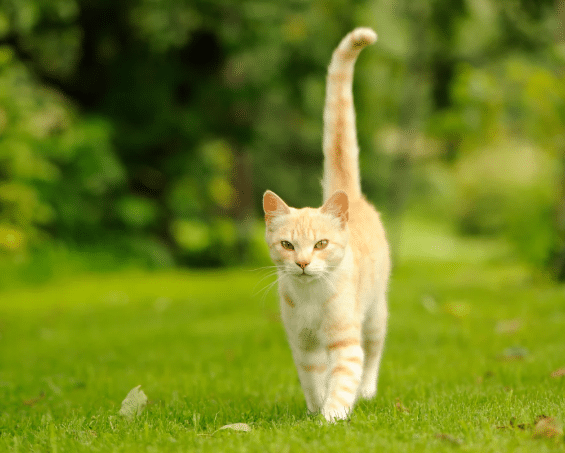
- Tail Held High: A tail that stands tall and straight is a sign of confidence and happiness. Your cat feels safe and content, especially if the tip curls slightly like a question mark. This means they are comfortable and open to social interaction.
- Tail Curved Like a Question Mark: When the tail forms a soft curve, it means they are playful and curious. It is an invitation to engage, so it is a great time to grab a toy and spend quality time together.
- Tail Low or Between Legs: A low-hanging tail usually signals fear, anxiety, or submission. Cats do this when they feel threatened or unsure. In these moments, it is best to speak softly and remove any stress triggers.
- Tail Puffed Up: If the tail suddenly puffs up like a bottlebrush, it is a sign of fear or aggression. The puffed tail makes them appear larger to ward off danger. It is important to give your cat space to avoid potential scratches or bites.
- Tail Twitching Rapidly: A tail that flicks or twitches quickly is a sign of irritation or overstimulation. It is a polite way of saying they have had enough petting and would like to relax alone.
- Tail Flicking Slowly: A slow flick or wave can mean focus or mild irritation. During hunting or stalking, this motion indicates deep concentration.
- Tail Drooping or Limp: A tail that hangs limp or doesn’t move naturally can indicate pain, injury, or nerve damage. Cats may drag their tail after trauma or a fall, which requires urgent veterinary attention.
When Cat Tail Behaviour Indicates a Health Problem
Not every tail movement is about mood. Sometimes, unusual signs point to health issues such as tail fractures, nerve injuries, arthritis, or infections. If your cat’s tail seems stiff, swollen, or they react in pain when it is touched, you should not ignore it. These could be signs of underlying conditions that need professional care.
This is where having pet insurance becomes vital. A comprehensive plan helps you handle the unexpected without worrying about finances, covering accidents, illnesses, and treatment costs.
How Pet Insurance Supports Responsible Cat Ownership
Even the best pet parents cannot predict every health issue. While love, nutrition, and care keep your cat healthy, unexpected accidents can still happen. A dedicated health plan allows you to:
- Cover vet bills for accidents and illnesses.
- Receive support for diagnostic tests and surgeries.
- Manage the cost of prescriptions and hospital stays.
- Enjoy peace of mind knowing your pet’s health is protected.
While you learn to interpret your cat’s tail and emotions, having insurance ensures you are protected from the financial side of pet care.
Tips to Keep Your Cat’s Tail Happy and Healthy
To maintain tail health, always handle your cat with care and never pull or play roughly with their tail. Check regularly for swelling, cuts, or changes in movement. Providing high-quality food supports joint and nerve health, while a calm environment ensures they feel safe. Finally, routine check-ups with a vet can prevent small problems from becoming major issues.
Conclusion: Every Tail Movement Tells a Story
Your cat’s tail is more than just a cute feature — it is their emotional signal and an early warning system for health issues. By paying attention to these signs, you can understand your cat’s feelings and spot issues early. When health concerns arise, being prepared with a solid health care plan for your cat ensures you can provide the care they deserve from nose to tail.