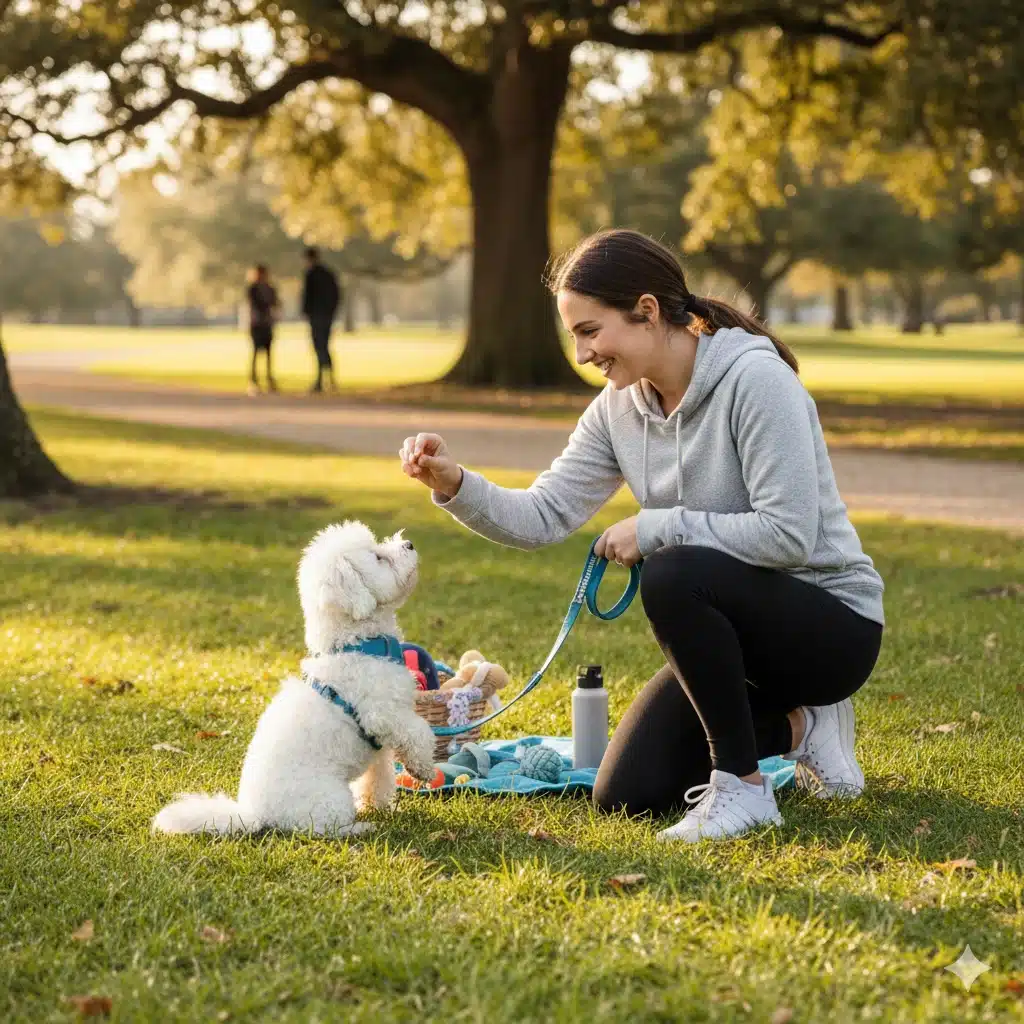
Training Well-Behaved Dogs
Training a dog is one of the most rewarding experiences for any pet owner. It strengthens the bond between you and your dog, supports emotional development, prevents unwanted behaviours, and helps create a safe environment. Many new owners assume training is challenging, but understanding how to train dogs effectively can simplify the process and create a positive routine your dog will enjoy.
Whether you have a new puppy or an older dog, training establishes trust and discipline. This guide provides a complete, step-by-step understanding of dog training, behavioural insights fromproblem-solving advisers.
Why Understanding How to Train Dogs Matters
Learning how to train dogs is about make good bond, it directly shapes your pet’s mental health. Trained dogs are generally more confident and better equipped to live harmoniously with their families. In fact, training also:
- Reduces stress by providing clear communication.
- Prevents behavioural issues before they become habits.
- Increases safety at home and in public spaces.
- Enhances socialisation and mental exercise.
Dogs rely heavily on structure. When owners communicate clearly, dogs respond predictably. Consequently, early training is essential for both small companion dogs and active working breeds.
Understanding Canine Behaviour Before Training Begins
Before starting, it is important to recognise how your dog interprets the world. Recognising their instincts helps you train more effectively:
- Pack Instinct: Dogs look for consistent leadership. A clear approach helps establish you as a reliable guide.
- Body Language: Dogs communicate through posture, tail position, and eye contact. Understanding these cues allows you to adjust your training on the spot.
- Attention Span: Puppies often have shorter attention spans; therefore, sessions should be short and positive.
- Fear and Stress Triggers: Some dogs react due to insecurity. Calm, reward-based training reduces this anxiety.
For more in-depth behavioural guidance, you may refer to established resources like the ASPCA Dog Behaviour Guide.
Core Principles of Successful Training
Every successful method is built on two pillars: clear communication and positive reinforcement.
| Principle | Action |
| Positive Reinforcement | Reward good behaviour with treats, praise, or affection. |
| Consistency | Use the same command words and tone every time. |
| Short Sessions | Limit training to 5–10 minutes to maintain focus. |
| Clear Commands | Use simple words like “sit,” “stay,” and “come.” |
| Avoid Punishment | Punishment leads to fear; trust is the best teacher. |
Core Training Commands Explained
1. “Sit”
Place a treat close to your dog’s nose, then move it upward slowly. As the head follows, the hindquarters will lower. The moment they sit, say the cue and give the reward.
2. “Stay”
Have your dog sit first. Show an open palm and give the command. Take a small step back; if the dog holds position, return and reward. Increase distance and duration gradually.
3. “Come”
Use a cheerful tone to call your dog’s name followed by the command. When they approach, reward generously. Begin training in a secure, enclosed space.
4. Exposure and Leash Skills
Introduce new places and situations progressively to avoid overwhelming your dog. For leash work, begin indoors and reinforce walking calmly at your side with treats.
Addressing Frequent Behaviour Issues
Most dogs display unwanted behaviours at times. These can be managed with consistency:
- Frequent Barking: Determine the cause, such as boredom or anxiety, and train a cue for silence.
- Destructive Chewing: Offer appropriate chew items and redirect immediately when needed.
- Jumping on People: Encourage a sit before greetings to reduce overexcitement.
- Separation Anxiety: Practice short departures and calm returns to build independence.
Training and Overall Health
Professional animal care suggest that structured training supports emotional balance. They also highlight that safety should remain the priority. Dogs respond best to consistent, positive sessions. If a previously learned behaviour suddenly declines, a medical issue may be contributing and should be checked.
Building Long-Term Balance
Effective training creates mutual understanding between you and your dog. Consistency and reward-based methods help develop confidence and stability. When combined with proper healthcare, this approach supports your dog through all stages of life.