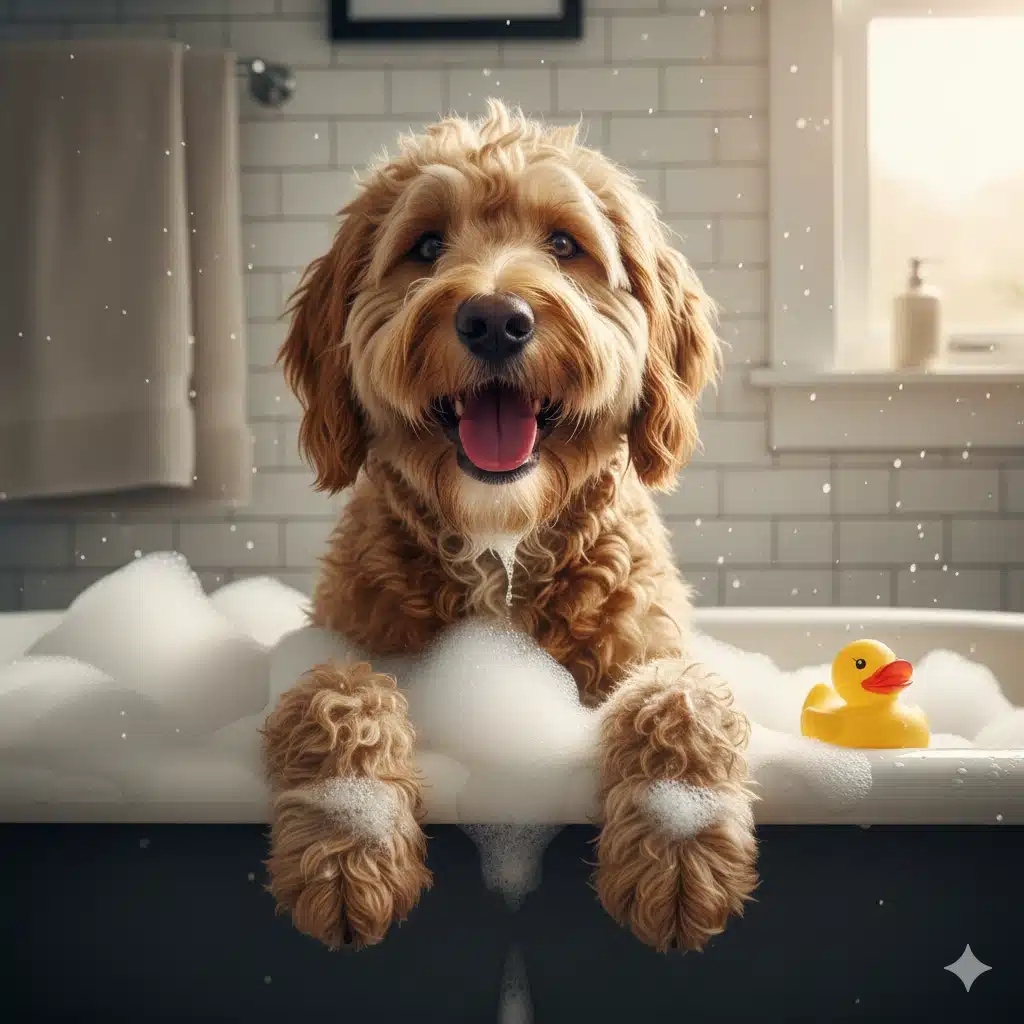
How to Give Bath to Your Dog – A Complete Guide for Safe Grooming
Bathing your dog is one of the most essential parts of maintaining their overall hygiene, skin health, and comfort. However, many dog owners are unsure about the correct way to bathe their pet, how often it should be done, and what products are safe to use. Furthermore, understanding how to give bath to dogs is crucial because improper bathing practices can lead to skin irritation, fear-based behavior, infections, and unnecessary stress.
Whether you are a first-time dog owner or someone looking to improve your dog’s grooming routine, this complete guide will walk you through every step. Additionally, it explains when extra support is needed and how customized plans for cats and dogs help protect against unexpected grooming-related issues.
Why Bathing Your Dog Properly Matters More Than You Think
Bathing your dog is not only about making them look clean. In fact, it plays a vital role in:
- Removing dirt, allergens, and loose hair
- Preventing skin infections
- Reducing unwanted odour
- Controlling fleas and mites
- Supporting coat health and shine
- Preventing matting
- Identifying lumps, hot spots, or skin irritation early
Many owners believe that bathing is simple. However, incorrect techniques—such as using human shampoo or rinsing poorly—can harm your dog. Consequently, knowing how to give bath to dogs properly prevents these issues and ensures your dog remains comfortable and healthy.
How Often Should You Give Bath to Dogs?
Not all dogs require the same bath frequency. Factors such as coat length, breed, environment, and skin condition play an important role.
- Short-haired breeds: Once every 4–6 weeks
- Long-haired breeds: Every 3–4 weeks
- Dogs with allergies: As recommended by a vet
- Active/outdoor dogs: More frequently, depending on dirt exposure
- Puppies: Less frequent and with puppy-safe products
Keep in mind that overbathing can strip natural oils, causing dryness and irritation. To ensure you are following correct guidelines, you may refer to established animal welfare recommendations like those from the RSPCA.
Preparing for Your Dog’s Bath – Tools and Setup
Preparation is a major part of learning how to give bath to dogs safely and efficiently. Before starting, you should gather:
- Dog-safe shampoo and conditioner
- Brush or comb
- Towels and a non-slip bath mat
- Lukewarm water and a handheld sprayer
- Cotton balls for outer ear protection
- Treats to keep your dog calm
Creating a calm environment helps reduce anxiety. For example, if your dog struggles with baths, you might begin by giving them treats near the bathing area days before to build positive associations.
Step-by-Step Guide on How to Give Bath to Dogs
Here is a complete approach to bathing dogs safely:
Step 1: Brush Before Bathing Brushing removes tangles, dirt, and loose hair. This is important because wetting tangled fur can make knots tighter and uncomfortable.
Step 2: Prepare Lukewarm Water Dogs are sensitive to temperature. Therefore, you should avoid hot or cold water, which can cause discomfort or fear.
Step 3: Place Your Dog on a Non-Slip Surface This prevents slipping accidents, which is especially helpful for senior or large dogs.
Step 4: Wet the Coat Thoroughly Use a cup or gentle sprayer, starting at the back and working forward. Be sure to avoid spraying water directly into the face or ears.
Step 5: Apply Dog-Safe Shampoo Massage gently in circular motions. Since dogs have a different skin pH, do not use human shampoo. Focus on the neck, chest, belly, paws, and tail while keeping soap away from eyes and ears.
Step 6: Rinse Thoroughly Rinse until no residue remains. This is crucial because leftover shampoo causes itching and dryness.
Step 7: Condition Long Coats (Optional) If you use conditioner, apply it and let it sit for 2–3 minutes before the final rinse.
Step 8: Dry Your Dog Use towels first, then a dog-safe dryer on low heat if needed. Avoid loud or high-heat human dryers.
Step 9: Offer Treats and Praise Positive reinforcement helps dogs associate bath time with a pleasant experience.
Common Bathing Mistakes Dog Owners Should Avoid
Many owners unintentionally make mistakes during bath time. To protect your dog, try to avoid:
- Using human shampoo or hot water
- Allowing water to enter the ears
- Not rinsing thoroughly
- Bathing too frequently or using strong water pressure
- Brushing aggressively after the bath
When Dogs Need Extra Support During Bath Time
Some dogs require special attention due to health conditions or behavioural challenges. Specifically, extra caution is necessary for dogs with allergies, dermatitis, or mobility issues. In these cases, bathing can lead to accidental injuries or worsen existing issues.
This is where special pet plans become essential for supporting responsible pet care. For instance, coverage can assist with skin allergies caused during bathing, ear infections resulting from water exposure, or slips and falls during grooming. Having protection ensures you can focus on care rather than the cost of a vet visit after a grooming accident.
Expert Advice on How to Give Bath to Dogs Safely
Veterinary experts emphasize the importance of gentle, correct bathing methods. Because dogs have a very different skin pH than humans, using the wrong products can cause irritation and infections. Experts recommend using dog-specific shampoo, drying the coat thoroughly, and avoiding scented products for sensitive dogs. If your dog shows signs of repetitive scratching or redness after a bath, a vet visit is recommended.
Final Thoughts – Giving Your Dog Safe and Comfortable Baths Every Time
Knowing exactly how to give bath to dogs not only keeps them clean but also ensures their skin, coat, and health remain protected. In conclusion, bath time can be an enjoyable experience if you follow proper techniques and monitor your dog’s comfort.