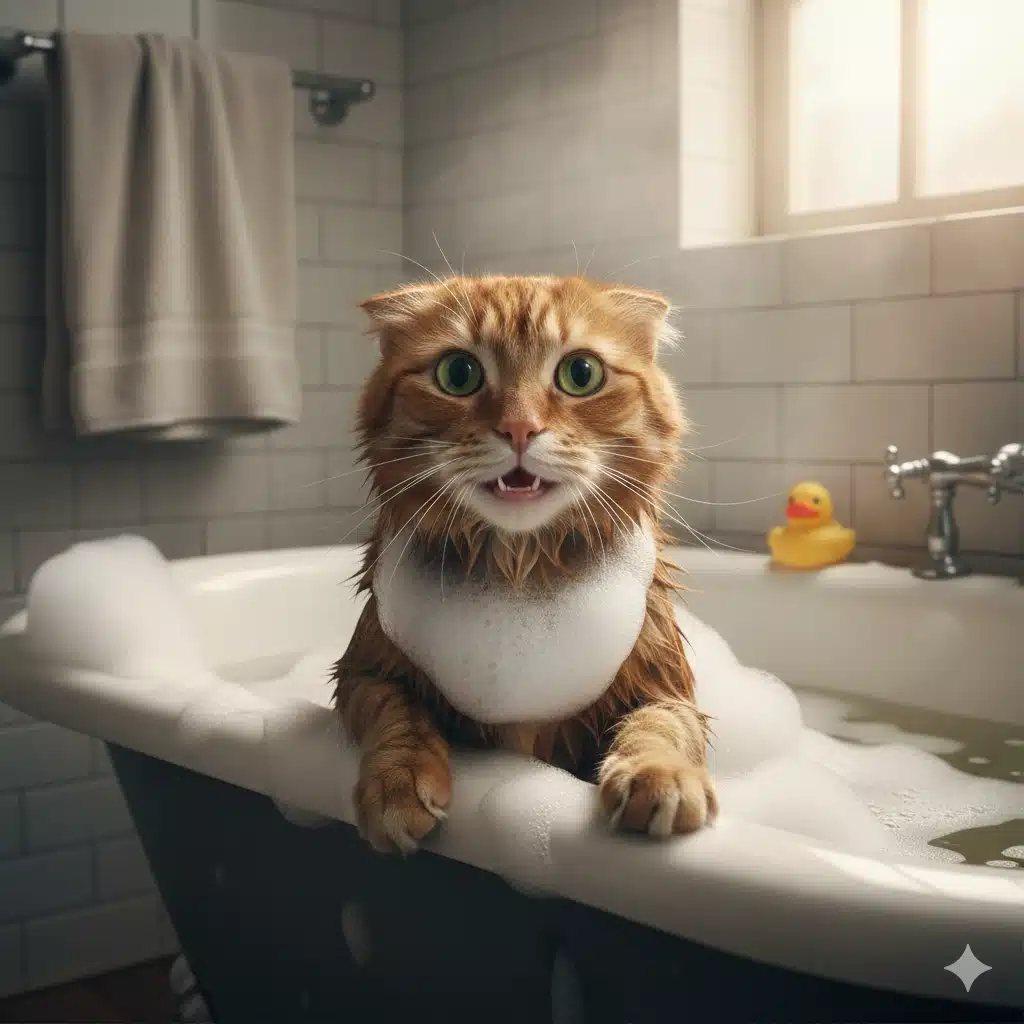
Give a Bath to Your Cat – Grooming Without Discomfort
Cats are naturally clean animals and can spend up to half their day grooming themselves. Even with their impressive grooming routine, some situations require cat owners to step in and help. Whether your cat has rolled in something sticky, suffers from fleas, or is dealing with a skin condition, knowing how to give bath to cats safely and calmly is essential.
Bathing a cat can feel intimidating, especially if your cat dislikes water. However, with the right approach, preparation, and techniques, you can turn bath time into a manageable—and sometimes even peaceful—experience. This guide provides a complete, step-by-step method for bathing cats, avoiding common mistakes, and ensuring their safety throughout the process.
Furthermore, it explains why having reliable pet insurance can support you when grooming leads to unexpected issues such as skin irritation or ear infections.
Do Cats Really Need Baths? Understanding Feline Grooming Habits
Cats are built for self-maintenance. Their tongues remove dirt, distribute natural oils, and keep their coat soft and healthy. So why would a cat ever need a bath? In fact, there are several important situations where bathing becomes necessary, including:
- A cat gets into sticky, oily, or toxic substances
- Flea infestation requires medicated washing
- Senior or overweight cats who struggle to groom themselves
- Cats with long, dense coats prone to matting
- Skin infections needing medicated baths
- Medical conditions reducing natural grooming behavior
While cats clean themselves thoroughly, they cannot remove certain substances or treat medical issues through grooming alone. That is why learning how to give bath to cats properly supports both hygiene and overall health.
When Bathing Becomes Necessary for Cats
Bathing may be required due to medical needs, environmental exposure, or behavioural challenges. Specifically, common reasons include:
Skin Allergies and Dermatitis: Allergic reactions to pollen, dust, or food can make a cat’s skin itchy or greasy, requiring therapeutic bathing.
Parasite Problems: Fleas, mites, and certain fungal infections may need medicated shampoos to manage effectively.
Outdoor Cats: Cats who roam outdoors often collect more dirt, debris, and insects.
Senior and Overweight Cats: Older cats may have arthritis or reduced mobility, while overweight cats may find areas like the back and tail difficult to reach. Consequently, these cats often require assistance to stay clean.
For more information on when bathing is necessary, you may refer to established animal welfare guidelines like those from the RSPCA. Understanding when baths are appropriate ensures you support your cat’s health without disrupting their natural hygiene routine.
Preparing to Give a Bath to Cats – Tools and Safety Measures
Preparation is key to a successful, stress-free bath. Before wetting your cat, you should gather:
- Cat-safe shampoo and a soft washcloth
- Two large towels and a brush or comb
- A low-sided tub or sink with a non-slip mat
- Lukewarm water and a gentle handheld sprayer or cup
- Treats for reward
- A warm, draft-free room
Creating the right environment helps your cat feel secure. For example, keeping doors closed prevents escape during the process, and ensuring the room is warm avoids chilling your cat after the bath.
Step-by-Step Guide on How to Give Bath to Your Cats
Learning how to give bath to cats becomes much easier when you follow an organized process. Here is a complete step-by-step method:
Step 1: Brush Your Cat Before Bathing: Remove loose hair, tangles, and mats. This is vital because wetting tangled fur worsens knots and can cause discomfort.
Step 2: Fill the Tub with Shallow Lukewarm Water: Cats feel safer with low water levels. Therefore, use only a few inches of water to avoid fear and minimize splashing.
Step 3: Gently Place Your Cat in the Tub: Hold your cat securely but calmly, and speak softly to reduce anxiety.
Step 4: Wet the Coat Slowly and Gradually: Use a cup or low-pressure sprayer. Start from the neck downward; however, you must never pour water directly on the face.
Step 5: Apply Cat-Safe Shampoo: Massage gently in circular motions while avoiding eyes, ears, and mouth. Cat shampoos are specifically designed to maintain proper skin pH balance.
Step 6: Rinse Thoroughly: This is one of the most important steps. Shampoo residue can cause itching, irritation, and dryness.
Step 7: Clean the Face with a Damp Cloth: Never use shampoo on the face. Instead, wipe gently with a warm, damp cloth.
Step 8: Dry Your Cat Completely: Wrap your cat in a towel and pat dry. Since cats are often startled by loud noises, avoid loud dryers unless your cat is specifically trained to accept them.
Step 9: Reward Your Cat: Immediately after the bath, give your cat treats and praise to build positive associations.
Common Mistakes to Avoid While Bathing Cats
Avoiding common mistakes keeps your cat safe and makes the process more comfortable. To protect your cat, try to avoid:
- Using human shampoo or hot/cold water
- Rinsing too quickly or using high-pressure sprayers
- Allowing water into ears
- Forcing the cat into the tub
- Bathing a cat during periods of extreme stress or aggression
Preventing these mistakes is essential for maintaining your cat’s skin barrier and overall comfort.
What to Do If Your Cat Hates Water
If your cat strongly dislikes water, there are alternatives and calming techniques to consider. For instance, you could try bathing slowly over multiple sessions or using lickable snacks as a distraction. Additionally, you might use waterless cat shampoos or pet wipes for a partial cleaning rather than full immersion. Understanding your cat’s limits ensures you protect both their emotional and physical wellbeing.
Expert Grooming Guidance
Veterinary experts emphasize safe, gentle bathing practices. Because cats have extremely sensitive skin and a naturally balanced coat, bathing should be done only when necessary using products specifically formulated for felines.
Owners should always watch for signs of distress, such as excessive vocalization, trembling, or attempting to escape repeatedly. If these signs occur, it is best to pause and allow the cat to calm down. Furthermore, bath-related issues like skin irritation or ear infections can appear even a day later, so monitoring your cat after the bath is crucial.
Additional Hygiene Tips to Keep Cats Clean Between Baths
You can reduce the need for frequent baths by maintaining a consistent hygiene routine:
- Brush regularly and maintain a clean litter box
- Use cat-safe deodorizing wipes
- Check for fleas or ticks and trim nails regularly
- Maintain a healthy diet for skin support
These preventive steps reduce bath frequency and promote coat health.
Final Thoughts
Knowing exactly how to give bath to cats properly helps you maintain your cat’s health, comfort, and cleanliness. In conclusion, bath time does not have to be stressful when you prepare correctly, use the right products, and follow a careful step-by-step method. Combining a well-informed grooming routine with quality care keeps your cat happy and healthy every day.