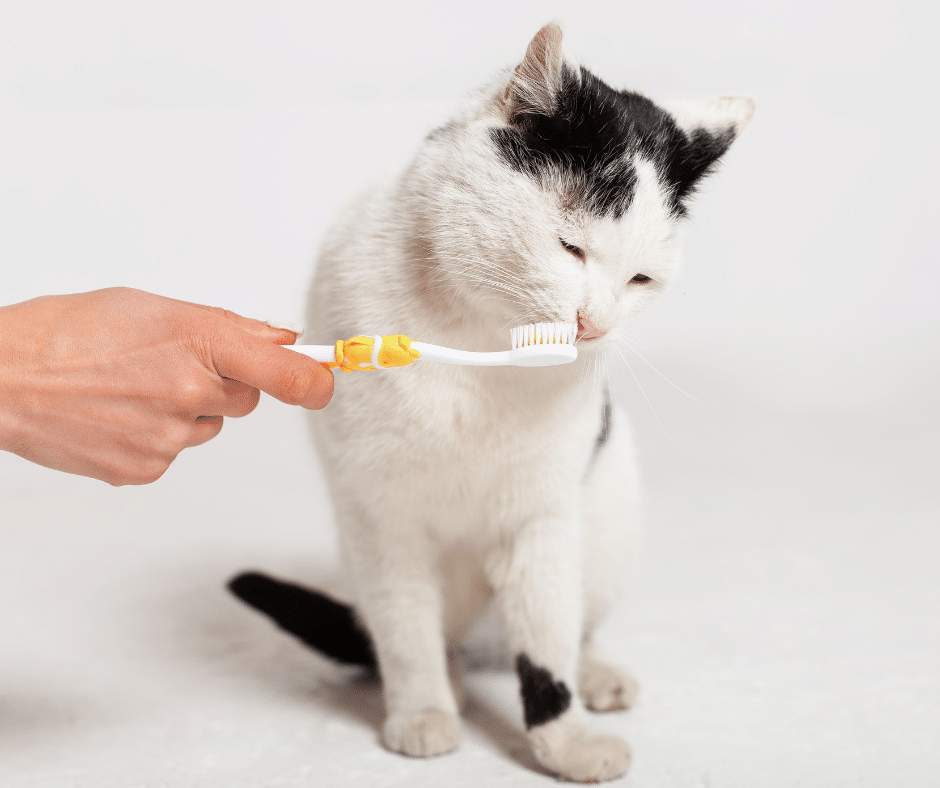
Orchestrating Oral Health: A Guide to Pet Dental Care
Our pets’ mouths are like musical instruments, creating a symphony of chomps, licks, and purrs. But if their teeth and gums aren’t in tip-top shape, the music can quickly turn sour. To maintain a harmonious mouth
Common Dental Ailments: Tuning Out the Trouble
When oral hygiene is neglected, several conditions can disrupt the melody of your pet’s health. Understanding these common issues is the first step toward a pain-free mouth.
Gingivitis (The Irritated Musicians)
Gingivitis occurs when bacteria in the mouth form plaque on the teeth, causing inflammation of the gum tissue. Picture your pet’s gums as the orchestra’s sensitive violinists. Now imagine a conductor poking their musicians wi
Periodontal Disease (The Crumbling Stage)
Now imagine the orchestra’s stage crumbling beneath them. That is periodontal disease. This condition happens when plaque and tartar buildup on the teeth cause damage to the surrounding gum tissue and the structures holding the teeth in place. As the condition progresses, the bone and ligaments supporting the teeth are destroyed, which may cause teeth to become loose or even fall out. Regular dental cleanings and good oral hygiene can help keep your pet’s dominoes standing strong and prevent permanent structural damage.
Tooth Decay (The Woodwind Termites)
Tooth decay occurs when acids produced by bacteria in plaque break down the tooth’s enamel, creating small holes or cavities. It is like termites being let loose in the woodwind section. Left untreated, decay can reach the tooth’s sensitive inner layers, causing significant pain and infection. Bacteria in your pet’s mouth feast on leftover food and form plaque, which can lead to cavities, toothaches, and foul breath. To keep the termites at bay, maintain a consistent dental care routine including tooth brushing and providing dental-friendly toys and treats.
Building a Harmonious Dental Routine
Prevention is much more effective and less expensive than treating advanced dental disease. Here is how to build a routine that works for both you and your pet.
-
Daily Brushing: This remains the gold standard for pet dental care. Use a toothbrush and paste specifically designed for pets—never use human toothpaste, as it contains ingredients like xylitol or fluoride that are toxic to animals.
-
Dental Chews and Diets: Mechanical abrasion from chewing can help scrape away soft plaque before it hardens into tartar. Many veterinary-approved chews also contain enzymes that help break down bacteria.
-
Regular Inspections: Once a week, lift your pet’s lips to look for red gums, yellow-brown tartar, or broken teeth. Early detection of a small problem can prevent a major surgery later on.
Warning Signs of Dental Distress
Because pets are stoic, they often continue to eat even when their mouths are in significant pain. Look for these subtle “sour notes”:
-
Foul Breath: While “dog breath” is common, an unusually strong or rotting smell is a clear sign of infection.
-
Drooling or Pawing: Excessive saliva or a pet constantly rubbing their face against furniture can indicate a toothache.
-
Eating Habits: If your pet starts dropping food, chewing only on one side of their mouth, or suddenly prefers soft food over kibble, their teeth may be bothering them.
-
Blood on Toys: Seeing pink or red tinges on chew toys or in the water bowl often points to bleeding gums.
By prioritizing oral health, you are protecting more than just your pet’s teeth. Bacteria from the mouth can enter the bloodstream and affect the heart, liver, and kidneys. A clean mouth is truly a gateway to a healthier, longer life.
Flea & Worming delivered by Aussie Vets monthly!
Try your first month for just $10!