How to Clean Dogs Teeth – A Complete Guide for Dog Owners
Dental care plays an essential role in a dog’s overall health, yet it is often overlooked by many pet owners. Just like humans, dogs require consistent oral hygiene to prevent plaque buildup, gum infections, and long-term dental diseases. Understanding how to clean dogs teeth effectively can help protect your dog from unnecessary pain, expensive treatments, and health complications that stem from poor oral hygiene.
This comprehensive guide explains the importance of dental care, identifies warning signs of dental issues, provides step-by-step cleaning methods, discusses professional care, and highlights how Fleamail’s Dog Care Plan supports long-term dental health. Expert guidance from Dr. Evan Shaw, Fleamail’s veterinary advisor, is also included to help dog owners create safe and effective dental care routines.
Why Learning How to Clean Dogs Teeth Is Essential
Many dog owners underestimate the importance of dental hygiene. However, dental disease is one of the most common conditions seen in dogs. Without regular cleaning, plaque quickly turns into tartar, which can lead to gum disease and tooth decay.
Knowing how to clean dogs teeth ensures your dog maintains:
Fresh breath
Healthy gums
Strong teeth
Proper chewing ability
Reduced risk of infection
Better long-term health
Because bacteria in the mouth can travel through the bloodstream, untreated dental problems may contribute to serious conditions affecting the heart, kidneys, and liver. Regular cleaning is a small habit with major health benefits.
Understanding Your Dog’s Dental Health
Before cleaning your dog’s teeth, it is crucial to understand how dental disease forms.
Plaque and Tartar
Plaque forms naturally from saliva, bacteria, and food particles. When not removed through brushing, plaque hardens into tartar, leading to gum inflammation.
Gingivitis
The earliest form of gum disease, gingivitis causes redness, swelling, and discomfort.
Periodontal Disease
Untreated gingivitis leads to infection deep within the gums, damaging tissue and bone. This can cause loose teeth and severe pain.
Tooth Infections and Abscesses
Bacteria may enter tooth roots, causing abscesses that require urgent veterinary treatment.
Long-Term Health Effects
Dental disease can lead to systemic infections and long-term organ damage. For more details, refer to the RSPCA Dental Health Guide: https://kb.rspca.org.au/
A strong dental care routine is the best preventive strategy.
Early Signs Your Dog Needs Dental Cleaning
Dogs often hide pain, making dental problems difficult to detect. Watch for these early signs:
Strong or unusual bad breath
Yellow or brown tartar
Red or bleeding gums
Difficulty chewing
Dropping food
Pawing at the mouth
Excessive drooling
Swelling under the eye
Behavioural changes like irritability
If you observe any of these symptoms, it may be time for a more thorough cleaning.
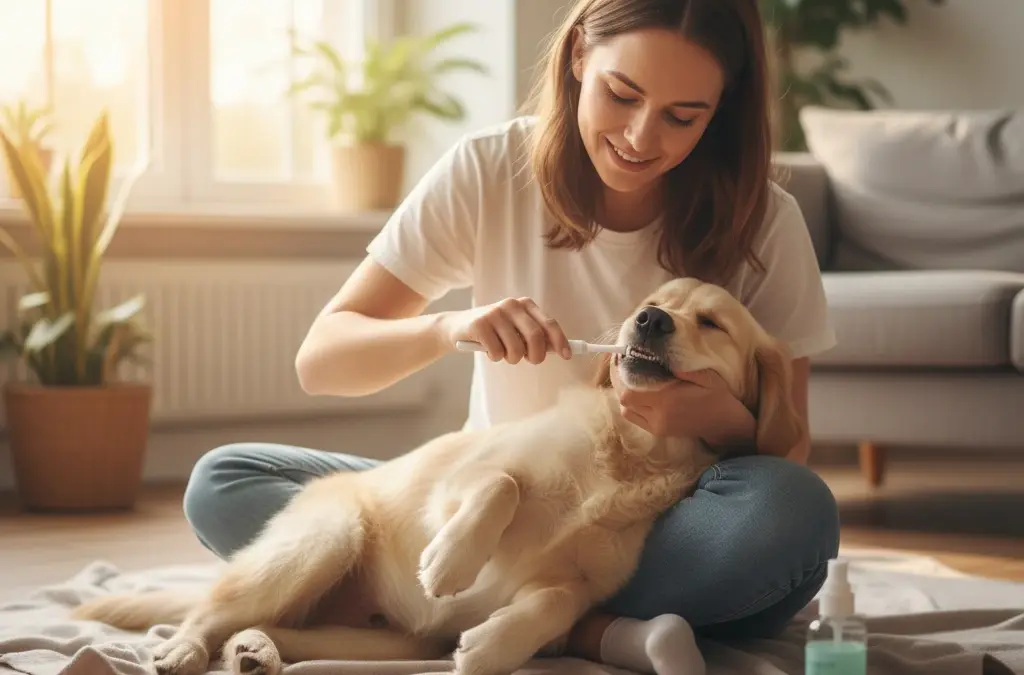
How to Clean Dogs Teeth – Step-by-Step Guide
Brushing your dog’s teeth remains the most effective method for preventing dental disease. Here’s a step-by-step guide.
Step 1: Choose the Right Tools
Dog-specific toothbrush
Dog-safe toothpaste (never use human toothpaste)
Finger brushes for beginners
Step 2: Introduce Brushing Slowly
Allow your dog to sniff and taste the toothpaste. Reward calm behaviour.
Step 3: Start with Short Sessions
Gently touch the teeth and gums using your finger before introducing the brush.
Step 4: Brush with Gentle Circular Motions
Focus on the outer surfaces, where plaque accumulates most.
Step 5: Brush a Few Teeth at a Time
Gradually increase coverage as your dog becomes comfortable.
Step 6: Be Consistent
Aim to brush your dog’s teeth at least 3–4 times a week, ideally daily.
Step 7: Reward After Each Session
Positive reinforcement helps build trust and routine.
Learning how to clean dogs teeth in a patient and consistent way allows even hesitant dogs to become comfortable with brushing.
Effective Alternatives When Brushing Isn’t Easy
Not all dogs accept brushing immediately. Fortunately, several alternatives support dental hygiene:
Dental Wipes
Useful for quick cleaning of the tooth surface.
Dental Chews
Specially designed to scrape plaque while providing chewing satisfaction.
Enzymatic Gels
Help break down plaque even without vigorous brushing.
Chew Toys
Rubber toys with textured surfaces can naturally help reduce buildup.
Water Additives
Help control harmful bacteria in the mouth.
While these alternatives help, brushing remains the most effective cleaning method.
Professional Dental Cleaning – When Is It Necessary?
At-home care is essential, but some dogs need professional cleanings performed by a veterinarian.
When to Seek Professional Cleaning
Heavy tartar buildup
Red, inflamed gums
Persistent bad breath
Loose teeth
Pain while chewing
What Professional Cleaning Includes
Scaling to remove tartar
Gum cleaning
Polishing
Dental X-rays
Tooth extraction if needed
Why It Requires Anaesthesia
Anaesthesia keeps your dog calm, prevents pain, and ensures safe, thorough cleaning.
Professional cleaning is typically recommended once a year, depending on your dog’s breed and dental condition.
How Fleamail Helps Protect Dog Dental Health
Dental problems often require veterinary visits, X-rays, or medications. During training, play, or chewing sessions, dogs may also injure their teeth or gums. Fleamail supports dog owners by offering comprehensive insurance plans designed to reduce financial stress during unexpected dental or health events.
The Fleamail Dog Care Plan is designed for everyday pets who need dependable medical protection. Dental care is an important part of a dog’s wellbeing, and this plan offers support for issues that often arise unexpectedly.
Key Benefits Include:
Coverage for accidents related to dental injuries
Support for illness-related vet visits
Coverage for diagnostics and consultations
Help with infections or gum-related issues
Peace of mind during training and daily routines
Because dental issues can progress quickly, having a health plan helps ensure your dog receives timely care.
Expert Advice from Dr. Evan Shaw
As the lead veterinary advisor at Fleamail, Dr. Evan Shaw shares his insights on dental care for dogs:
“Dental hygiene is one of the most important yet overlooked aspects of dog health. Regular brushing and dental support at home significantly reduce the risk of periodontal disease. Many dental cases I treat could have been prevented with a consistent cleaning routine. Owners should start dental care early and maintain it throughout the dog’s life.”
Dr. Shaw also emphasises that dental discomfort can affect behaviour:
“Dogs experiencing dental pain may become irritable, fearful, or lose interest in food. If you notice sudden behavioural changes, dental issues should always be considered as a possible cause.”
His advice highlights the importance of combining consistent home care with preventive health coverage.
Additional Tips for Keeping Your Dog’s Teeth Clean
To enhance your dog’s dental hygiene routine, consider these supportive strategies:
Provide Crunchy Kibble
Dry food can help reduce plaque buildup.
Offer Safe Chew Toys
Avoid toys that are too hard, as they may break teeth.
Avoid Table Scraps
Many human foods encourage bacterial growth.
Stay Consistent
Daily routines are more effective than occasional cleanings.
Check Your Dog’s Teeth Weekly
Early detection of problems ensures quick treatment.
Use Dental Supplements
Products recommended by veterinarians can support daily hygiene.
A combination of brushing, healthy habits, and regular monitoring creates a strong long-term routine.
Final Thoughts – Keeping Your Dog’s Teeth Clean for Life
Learning how to clean dogs teeth is essential for ensuring your dog remains healthy, comfortable, and happy throughout life. A consistent dental care routine, paired with professional guidance and regular checkups, helps prevent painful conditions and improves quality of life.
Fleamail supports dog owners through dependable pet insurance designed to cover unexpected health needs, including dental concerns. With the right combination of home care, veterinarian support, and reliable insurance, you can give your dog the best chance at lifelong oral health.
How to Train Dogs – A Complete Guide for Raising Well-Behaved Pets
Training a dog is one of the most rewarding experiences for any pet owner. It strengthens the bond between you and your dog, supports emotional development, prevents unwanted behaviours, and helps create a safe and healthy environment. Many new dog owners assume training is challenging or time-consuming, but understanding how to train dogs effectively can simplify the process and create a positive routine your dog will enjoy.
Whether you have a new puppy or an older dog, training helps establish trust, confidence, and discipline. This guide provides a complete, step-by-step understanding of dog training, essential behavioural insights, problem-solving advice, and expert recommendations from Dr. Evan Shaw, Fleamail’s lead veterinary specialist. Additionally, you’ll learn why having a reliable dog insurance plan—such as the Fleamail Dog Care Plan—can support your dog’s safety and wellbeing during training.
Why Understanding How to Train Dogs Matters
Learning how to train dogs is not just about obedience—it directly shapes your pet’s mental health, behaviour, and long-term wellbeing. Trained dogs are more confident, happier, and better equipped to live harmoniously with their families. Training also:
Reduces stress and confusion
Prevents behavioural issues
Increases safety at home and outdoors
Enhances socialisation
Promotes physical and mental exercise
Dogs rely heavily on structure. When owners understand how to communicate clearly, dogs respond confidently and predictably. This is why early training is essential, whether you are raising a small companion dog or an active working breed.
Understanding Canine Behaviour Before Training Begins
Before starting training sessions, it’s important to understand how your dog thinks. Dogs interpret the world differently from humans, and recognising their instincts and body language helps you train more effectively.
Pack Instinct
Dogs are naturally social and look for leadership within a group. A clear, consistent approach helps establish you as a reliable leader.
Body Language
Dogs communicate through posture, tail position, ear movement, eye contact, and vocalisations. Understanding subtle cues allows you to adjust training on the spot.
Attention Span
Young dogs or energetic breeds may have shorter attention spans. Effective training sessions should be short, positive, and repetitive.
Fear and Stress Triggers
Some dogs react due to past trauma, insecurity, or overstimulation. Calm training reduces anxiety and builds trust.
For more in-depth behavioural guidance, visit the ASPCA Dog Behaviour Resource: pet care
Recognising these factors ensures training sessions remain positive and productive.
Core Principles of How to Train Dogs Successfully
Every successful dog training method is built on clear communication and positive reinforcement. Here are the must-follow principles:
Positive Reinforcement
Reward good behaviour with treats, praise, or affection. Dogs repeat behaviours that earn rewards.
Consistency
Use the same tone, command words, and expectations every time.
Short Training Sessions
Limit sessions to 5–10 minutes to keep your dog mentally engaged.
Clear Commands
Use simple words such as sit, stay, come, drop, or down. Avoid confusing or complex phrasing.
Reward-Based Systems
High-value treats or clicker training can strengthen learning.
Avoiding Punishment
Punishment leads to fear, stress, and behavioral regression. Dogs learn best through trust.
Integrating these principles helps ensure your dog is learning in a safe, comfortable environment.
Step-by-Step Methods for Training Dogs
This section outlines proven training techniques that work for puppies and adult dogs alike.
1. Teaching “Sit”
Hold a treat near the dog’s nose
Lift it slowly upward
As the dog looks up, their bottom will naturally lower
Say “sit” and reward immediately
2. Teaching “Stay”
Ask your dog to sit
Hold your hand out and say “stay”
Step back slightly
Return and reward when they remain still
Increase distance gradually
3. Teaching “Come”
Call your dog’s name
Say “come” in an upbeat tone
Reward heavily when they return
Practice indoors before moving outside
4. Crate Training
Introduce the crate as a calm, safe space
Place toys and treats inside
Never use the crate as punishment
5. Toilet Training
Establish a fixed schedule
Reward immediately after your dog eliminates outdoors
Supervise closely indoors
6. Socialisation
Introduce your dog to new people, surfaces, animals, and environments slowly and safely to build confidence.
7. Bite Inhibition
Redirect biting to toys. Avoid rough play that encourages mouthiness.
8. Leash Training
Start indoors
Use short leashes
Encourage walking beside you with treats
Reward calm walking
9. Teaching “Leave It”
Place treat under your hand
Say “leave it”
Reward when your dog backs away
Mastering these steps builds obedience, confidence, and safety.
Behaviour Problems and How to Solve Them
Even well-trained dogs experience behavioural challenges. Here are common problems and solutions:
Excessive Barking
Identify triggers and teach the “quiet” command. Increase mental stimulation.
Chewing
Provide approved chew toys. Redirect destructive behaviour immediately.
Jumping
Ask for “sit” before greetings. Avoid reinforcing excitement.
Aggression
Consult a trainer or behaviourist. Rule out medical issues.
Separation Anxiety
Build independence through short departures and calm returns.
Pulling on Leash
Use front-clip harnesses and practice loose-leash walking.
Fear of Car Rides
Start with short, positive trips and reward calm behaviour.
Training challenges are often linked to health, anxiety, or past experiences—so professional support may sometimes be necessary.
How Fleamail Supports Responsible Dog Owners
Training is an essential part of responsible pet ownership, but it also introduces risks. Dogs exploring outdoors, socialising with other pets, or learning new commands may experience accidents or injuries. Additionally, behavioural changes may require veterinary guidance.
This is where Fleamail supports dog owners. Fleamail offers tailored pet insurance plans designed to handle unexpected vet visits and protect dogs throughout training and beyond.
The Dog Care Plan from Fleamail provides essential coverage for dogs of all sizes. During training, dogs may:
Twist a paw
Pull a muscle
Swallow something harmful
Develop anxiety-based symptoms
Require vet attention after outdoor mishaps
This plan helps cover such unexpected events, ensuring your dog receives the best care.
Benefits of the Fleamail Dog Care Plan
Covers accidents and illnesses
Supports behavioural health needs
Helps with diagnostics and vet visits
Suitable for both puppies and adult dogs
Offers financial protection during active training phases
Provides peace of mind while your dog learns, explores, and grows
Insurance is an investment in long-term wellbeing—just like training.
Expert Advice from Dr. Evan Shaw
Dr. Evan Shaw, veterinary expert at Fleamail, recommends a balanced training routine backed by preventive health measures. According to Dr. Shaw:
“Training improves your dog’s emotional stability and strengthens their relationship with you. However, safety must always come first. Dogs learn best when sessions are calm, positive, and consistent. Never punish your dog—focus on patience and reward-based methods.”
He also stresses the connection between training and health:
“Dogs experiencing pain, stress, or illness may show behavioural issues. It’s important to address health problems early. Having insurance ensures owners can seek veterinary help without hesitation.”
Dr. Shaw’s guidance highlights the importance of holistic care—combining training with proper health planning.
Extra Tips for Successful Dog Training
To elevate your training experience, consider these additional tips:
Train after exercise to improve focus
Use high-value treats sparingly for motivation
Create a distraction-free training space
Keep sessions short and positive
Reward calm behaviour, not excitement
Provide enrichment toys for mental stimulation
Maintain consistent feeding and potty routines
Avoid training when your dog is overtired or overstimulated
Practice commands in different environments
These strategies strengthen results and support long-term behavioural success.
Final Thoughts – Training Dogs the Right Way
Learning how to train dogs builds trust, confidence, and harmony between you and your pet. With consistent, positive reinforcement methods, dogs of all ages and breeds can learn essential skills that improve their safety and happiness.
As you guide your dog through training, remember that support matters—both behaviourally and medically. The Fleamail Dog Care Plan offers peace of mind, ensuring that your dog receives high-quality care during every stage of training and growth.
How to Train Cats – A Complete Guide to Raising Well-Behaved, Confident Cats
Training a cat may sound challenging, especially to new pet owners who assume cats are independent and uninterested in learning. However, cats are highly intelligent, observant, and capable of learning routines, commands, and positive behaviors. Understanding how to train cats not only improves their behaviour but also strengthens the relationship between you and your feline companion.
While dogs receive the majority of attention in the training world, cats learn in their own unique ways. When you understand their instincts, motivations, and fears, training becomes easier, more enjoyable, and far more effective. This comprehensive guide explains everything you need to know about training cats—from natural feline behaviour to training techniques, behaviour correction, problem-solving, and the importance of having reliable pet insurance during the training process.
Why Cat Training Matters More Than Most People Realize
Many people believe cats cannot be trained, but this is a misconception. Cats learn through patterns, rewards, environmental cues, and consistent positive reinforcement. Effective training provides many benefits, including:
Strengthening the bond between owner and cat
Encouraging good habits
Preventing destructive behaviour
Improving mental stimulation
Helping shy or anxious cats build confidence
Ensuring safety inside and outside the home
Learning how to train cats helps create a peaceful environment for both the pet and the owner. Training also plays a role in preventing accidents and reducing risks, which is why responsible owners often choose to protect their pets with insurance, such as the Cat Care Plan offered by Fleamail.
Understanding Feline Behaviour Before Beginning Training
Before any training begins, it is important to understand how cats think. Cats rely heavily on their instincts, body language, and sensory experiences. Understanding these elements helps you communicate more effectively with your cat.
Key natural behaviours include:
Territorial nature Cats defend and claim their space. Changes in environment can cause stress or unwanted behaviours.
Curiosity Cats explore constantly. This trait can be used positively during training.
Independence Cats learn best when training respects their independence. Forced training will not work.
Subtle communication Cats communicate through body language—tail movement, ears, pupils, posture, and vocal sounds.
For an additional reference on feline behaviour, you may visit the ASPCA Cat Care Resource: cat care
Understanding these principles allows you to train in a way that aligns with your cat’s natural instincts.
Essential Principles of How to Train Cats
Cat training is most effective when built around positive reinforcement and consistency. Punishment or force never works with felines; instead, it damages trust and increases stress.
Foundational principles of training include:
Positive reinforcement Reward your cat with treats, affection, or clicker sounds immediately after the desired behaviour.
Consistency Use the same command words, gestures, and rules every time.
Routine building Cats respond extremely well to predictable patterns.
Short training sessions Cats learn more effectively in short, frequent sessions.
Reward-based systems Use small treats or verbal praise.
Avoid punishment Punishing a cat makes them anxious and encourages hiding or aggression.
Using these principles ensures you successfully learn how to train cats in a stress-free manner.
Step-by-Step Cat Training Methods That Actually Work
1. Litter Box Training
Most cats learn this naturally, but kittens or newly adopted cats may need guidance.
Steps include:
Place the litter box in a quiet spot
Keep it clean
Reward your cat after use
Avoid scented litter if your cat seems hesitant
2. Teaching Cats to Come When Called
Use your cat’s name during feeding times or treat sessions. Repeat the word “come” before rewarding.
3. Teaching Cats Not to Bite or Scratch
Redirect biting or scratching to toys. Avoid using hands during play to prevent aggressive habits.
4. Scratching Post Training
Place scratching posts near furniture. Use catnip or toys to encourage scratching in the right place.
5. Basic Commands
Cats can learn simple commands like sit, stay, or up using clicker training.
6. Crate Training
Introduce the crate slowly. Feed your cat inside the crate to build a positive association.
7. Introducing New Pets
Separate the pets initially, exchange scents, and monitor first interactions closely.
Training becomes easier when owners remain calm, patient, and consistent.
Common Training Challenges and How to Solve Them
Aggression
Aggression often stems from fear, overstimulation, or lack of boundaries. Solution: Redirect behaviour, avoid rough play, create safe spaces.
Night-time Meowing
Often caused by boredom or seeking attention. Solution: Increase daytime play and feeding routines.
Furniture Scratching
Solution: Provide sturdy scratching posts and use feline-safe deterrent sprays.
Solution: Provide calm environments, avoid loud noises, use positive reinforcement.
Training challenges can be resolved with patience and proper technique.
How Fleamail Supports Responsible Cat Owners
Training a cat is rewarding, but it comes with challenges that may require veterinary support. Unexpected injuries, behaviour issues linked to health problems, or accidents during exploration can occur. Having reliable insurance provides peace of mind during these situations.
Fleamail is dedicated to supporting responsible cat owners with transparent, simple, and dependable insurance options. You can explore their services at: fleamail
Insurance ensures your cat receives timely veterinary care without financial stress.
Fleamail Cat Care Plan – Protection That Helps You Train Confidently
Training requires patience, and sometimes cats may injure themselves during climbing, running, or exploring. The Fleamail Cat Care Plan provides coverage for:
Unexpected injuries
Illnesses affecting behaviour
Diagnostic tests
Vet consultations
Emergency treatments
This support allows owners to train and engage with their cats confidently, knowing help is available when needed.
The Cat Care Plan is designed with practical, real-life needs in mind, making it an excellent companion for responsible pet parents.
Expert Advice from Dr. Evan Shaw on Training Cats
As Fleamail’s leading veterinary expert, Dr. Evan Shaw emphasizes that understanding feline psychology is the key to successful training.
According to Dr. Shaw:
“Training cats requires patience and positive reinforcement. Cats do not respond well to punishment or force. Instead, they learn through encouragement, trust, and repetition. Training benefits their mental health, reduces behavioural issues, and strengthens the bond between cats and their owners. When training a cat, focusing on their comfort and emotional wellbeing should always come first.”
Dr. Shaw also highlights that health issues can influence behaviour, underscoring the importance of having reliable pet insurance to support long-term training success.
Additional Tips for Successful Cat Training
To elevate your training results, consider these extra tips:
Keep sessions short and successful
Use toys and interactive tools for motivation
Create structured routines
Provide environmental enrichment
Use puzzle feeders to stimulate your cat mentally
Offer safe climbing spaces
For multi-cat households, train each cat individually
Remain calm and patient
These simple adjustments make training far more effective.
Final Thoughts – Training Cats the Right Way
Learning how to train cats is a rewarding journey that creates harmony, understanding, and trust between you and your feline companion. By using positive reinforcement, understanding feline behaviour, and providing a supportive environment, even the most independent cats can learn good habits and new skills.
Responsible training also involves planning for your cat’s health and safety. Fleamail supports cat owners throughout this journey by offering dependable insurance protection for unexpected injuries or illnesses.
Fleamail – Reliable Pet Insurance Support for Cat Owners in Australia
Pet owners across Australia want the very best for their companions. Cats bring joy, comfort, and companionship into homes, yet they are also vulnerable to sudden illnesses and unexpected accidents. As veterinary care becomes more advanced, treatment costs continue to rise. This reality makes reliable pet insurance more important than ever. Fleamail is becoming a trusted choice among Australian cat owners because it offers simple, dependable, and effective insurance support designed specifically for pets.
Cat owners often face challenges such as unpredictable vet bills, emergency medical situations, and chronic health conditions. Fleamail helps ease the financial burden so you can focus on your cat’s wellbeing. In this detailed guide, you’ll learn what Fleamail offers, why cat insurance matters, and how the Cat Care Plan provides essential protection for your pet’s future.
What Is Fleamail and Why Is It Trusted by Cat Owners?
Fleamail is a pet insurance provider dedicated to offering clear, straightforward coverage for cats and dogs in Australia. The brand focuses on making pet insurance easy to understand without confusing terms or unnecessary complications. Many pet owners trust Fleamail because it prioritizes transparency, quick claims, and reliable support during emergencies.
Unlike traditional insurers, Fleamail specializes entirely in pets. This ensures pets receive the exact type of coverage they need. By understanding real problems faced by pet owners, Fleamail delivers practical insurance solutions tailored to everyday challenges.
Fleamail’s service is also valued for its user-friendly approach. The website is simple to navigate, claims are easy to submit, and coverage explanations are clear. As a result, Fleamail has built a strong reputation for supporting pet owners when it truly matters.
Why Cat Insurance Matters More Than Ever
Many cat owners believe cats are low-maintenance pets, but this is a misconception. Cats often hide signs of illness until conditions become serious. When a health emergency occurs, treatment is usually urgent and potentially costly.
Some reasons why cat insurance is essential include:
Sudden illnesses
Cats can develop vomiting, diarrhea, fever, infections, or organ issues suddenly. Diagnosing these symptoms requires tests, imaging, and medication.
Accidents
Cats can ingest harmful objects, fall from furniture, or injure themselves during play.
Chronic diseases
Conditions such as allergies, kidney issues, dental disease, diabetes, and arthritis require long-term management.
Expensive emergency treatments
Hospitalization, blood work, X-rays, and emergency care can quickly create financial stress.
Peace of mind
With insurance, you can act immediately during an emergency instead of worrying about the cost.
According to the RSPCA Australia, many pet illnesses escalate when owners delay treatment due to cost. Reference: https://kb.rspca.org.au/
Having insurance through fleamail ensures your cat receives timely care without financial hesitation.
Common Cat Health Issues That Require Veterinary Support
Cats are prone to several health issues that require professional care:
Digestive Problems
Vomiting, constipation, diarrhea, and loss of appetite are warning signs that require vet evaluation.
Urinary Tract Issues
Especially common in male cats, urinary blockages can become life-threatening within hours.
Skin Allergies
Cats may develop allergies causing itching, sores, and skin reactions that need ongoing care.
Ear Infections
Often related to mites, bacteria, or yeast.
Dental Disease
Tartar buildup and gum infections may require dental cleaning or extractions.
Injuries
Falls, fights with other animals, and ingestion of foreign objects are common.
These health issues often occur without warning. Fleamail helps cover the costs associated with diagnosis, treatment, and aftercare.
How Fleamail Helps Cat Owners During Emergencies
In emergency situations, every moment matters. When a cat is struggling to breathe, suddenly lethargic, or in pain, immediate treatment is critical. Fleamail gives cat owners the financial confidence to make fast decisions.
By reducing the financial pressure of vet bills, owners can prioritize their cat’s safety and wellbeing without compromise. Treatments such as X-rays, blood tests, ultrasound, IV fluids, and surgery are medically necessary but financially demanding. Fleamail makes this care accessible.
To explore more about Fleamail’s approach, visit: Flemail
What the Fleamail Cat Care Plan Covers
The Cat Care Plan is designed to support cat owners through both routine and emergency medical situations.
Covers injuries such as cuts, fractures, sprains, and ingestion of harmful items.
Illness Coverage
Protects against infections, digestive issues, respiratory problems, and chronic illnesses.
Diagnostic Tests
X-rays, blood tests, ultrasounds, and lab analysis.
Medication
Covers prescribed drugs and treatments.
Emergency Care
Hospitalization, fluid therapy, and urgent procedures.
This plan ensures cats receive timely treatment and thorough medical support.
Real-Life Scenarios Where Fleamail Helps
Foreign Object Ingestion
Cats often swallow string, rubber bands, or small toys. This can require emergency surgery.
Sudden Digestive Illness
Vomiting and diarrhea may require testing, medication, and hydration therapy.
Allergic Reactions
Cats may react to food, fleas, or environmental allergens.
Injuries
Falls, fights, or accidents indoors can result in fractures or wounds.
Senior Cat Health
Older cats develop chronic conditions that require frequent checkups.
In each case, Fleamail reduces the financial stress and ensures the cat receives necessary care.
How to Choose the Right Insurance Plan for Your Cat
Choosing insurance should feel simple, not overwhelming. Here are important factors to consider:
Coverage clarity
Look for plans that clearly explain what is covered.
Claim process
A simple claims system ensures smooth support.
Ongoing illnesses
Choose a plan that supports long-term conditions.
Reliability
Select a trusted company like Fleamail with strong customer support.
Value
Make sure the plan provides meaningful coverage at a reasonable price.
The Cat Care Plan checks all of these boxes.
Preventive Cat Care Tips Every Owner Should Follow
Preventive care keeps cats healthier and reduces future vet bills.
Important preventive steps include:
Feeding high-quality cat food
Maintaining hydration
Grooming regularly
Keeping the litter box clean
Scheduling yearly vet checkups
Updating vaccinations
Using flea and tick preventatives
Providing mental stimulation
Watching for changes in behaviour
For more expert guidance, see the Australian Veterinary Association: https://www.ava.com.au/
Expert Review by Dr. Evan Shaw
As the author and veterinary advisor for the website, Dr. Evan Shaw provides expert insights into the importance of pet insurance. Dr. Shaw explains that Fleamail is designed to make pet healthcare more accessible and less stressful for owners.
According to Dr. Shaw:
“Unexpected illnesses and injuries can place cat owners under significant emotional and financial pressure. Fleamail helps remove these barriers by offering reliable and transparent insurance coverage. This allows owners to focus on providing the best care for their cats rather than worrying about the costs.”
Dr. Shaw recommends the Cat Care Plan for its practicality, coverage options, and simplicity.
Customer Experience – Why Pet Owners Recommend Fleamail
Cat owners appreciate Fleamail because it is:
Easy to understand
Quick to set up
Clear about coverage
Simple to claim
Designed for Australian pet needs
Affordable without compromising care
These qualities make Fleamail a trusted choice for long-term pet health security.
Final Thoughts – Protect Your Cat’s Future with Fleamail
Cats rely on their owners for safety, comfort, and health. With rising vet costs and unpredictable medical emergencies, planning ahead is essential. Fleamail offers cat owners reliable coverage that supports them during stressful moments and ensures their pets receive the care they need.
Pet Health Insurance – Why It’s Essential for Your Dog’s Wellbeing
Pet ownership is a beautiful responsibility. Dogs offer unconditional love, companionship, and loyalty, but their health and wellbeing depend entirely on us. As veterinary care becomes more advanced and medical costs rise, many owners are beginning to realize the importance of preparing for unexpected health issues. This is where pet health insurance becomes essential.
Pet health insurance ensures that your dog receives the medical care they need without placing financial stress on your family. Whether it’s an accident, sudden illness, chronic condition, or emergency surgery, having reliable coverage allows you to focus on your dog’s recovery instead of worrying about expenses.
In this guide, you’ll learn what pet health insurance covers, why it matters, common health risks for dogs, and how Fleamail’s Dog Care Plan protects pet owners across Australia.
What Is Pet Health Insurance?
Pet health insurance works similarly to human medical insurance. It helps cover the cost of veterinary treatment when your dog is injured or becomes ill. Instead of paying out of pocket for expensive treatments, insurance helps you manage costs and make quick decisions when your dog needs urgent care.
A strong pet health insurance plan provides financial security during medical emergencies, supports better long-term care, and allows you to choose the best treatment options without hesitation.
Why Pet Health Insurance Matters for Every Pet Owner
Veterinary costs in Australia continue to rise. Even minor conditions can require diagnostics, medication, and follow-up visits. Accidents and emergencies are unpredictable and can become financially overwhelming. Pet health insurance reduces this burden and ensures that your dog receives timely care.
Here are key reasons why every pet owner should consider insurance:
Protection from unexpected vet bills
Dogs can suffer from sudden injuries, infections, or illnesses that require immediate treatment. Insurance helps cover these costs.
Access to better treatment
You can select the most effective treatment rather than the most affordable one.
Peace of mind during emergencies
Knowing you have protection reduces panic and stress when your dog falls sick.
Coverage for chronic conditions
Many dogs develop long-term conditions that require ongoing treatment.
Encourages routine care
Owners with insurance are more likely to seek veterinary help early, improving their dog’s overall wellbeing.
Common Health Problems That Make Insurance Important
Dogs face various health risks throughout their life. Even well-cared-for dogs can experience medical issues without warning.
Some of the most common problems include:
Digestive issues
Diarrhea, vomiting, stomach infections, and food allergies require treatment and diagnostics.
Skin conditions
Allergies, rashes, fungal infections, and scratching require ongoing management.
Ear infections
Common in dogs with floppy ears or allergies.
Injuries
Falls, sprains, fractures, and wounds occur during play or outdoor activities.
Accidental ingestion
Dogs often swallow foreign objects, toxins, or harmful foods.
Age-related illnesses
Arthritis, diabetes, kidney issues, and heart conditions increase with age.
These issues can result in costly vet visits. Pet health insurance ensures your dog receives timely treatment without financial hesitation.
How Pet Health Insurance Helps During Emergencies
Emergencies are stressful for both dogs and owners. When your dog suddenly becomes ill, collapses, or suffers an injury, every second matters. During such moments, worrying about the cost delays decisions.
Pet health insurance allows you to act quickly. Instead of choosing between cost and care, you can focus on saving your dog’s life. Insurance helps cover:
Emergency consultations
X-rays and scans
Blood tests and lab work
Hospitalization
Surgery
Medications
To explore more about pet care solutions, you can visit the main site: https://fleamail.com.au
What Does a Good Pet Health Insurance Plan Cover?
A reliable insurance plan offers comprehensive coverage that protects your dog in a variety of situations. While plans may differ, good coverage generally includes:
Accidents
Covers injuries caused by falls, fights, or swallowing harmful items.
Illnesses
Protects against infections, diarrhoea, vomiting, skin diseases, allergies, and more.
Diagnostic tests
Includes blood tests, X-rays, ultrasounds, and lab analysis.
Medications
Supports antibiotics, anti-inflammatory drugs, and prescribed treatments.
Hospitalization
Covers overnight stays and emergency care.
Surgeries
For foreign body removal, injury repair, tumor removal, and other procedures.
A well-designed plan ensures that dogs of all ages receive timely medical assistance.
Fleamail’s Dog Care Plan – Smart Protection for Your Dog
Fleamail understands the challenges pet owners face. Veterinary emergencies can occur at any time, and the financial burden can be overwhelming. That’s why the Dog Care Plan is designed to offer dependable, straightforward coverage for Australian dog owners.
This plan provides protection for a wide range of health issues and supports owners during unexpected medical situations.
Key benefits of the Dog Care Plan:
Covers accidents and common illnesses
Supports diagnostics such as X-rays, blood tests, and scans
Covers medication and treatment costs
Straightforward claims process
Designed specifically for Australian conditions
Gives pet owners confidence and peace of mind
The plan focuses on essential coverage without unnecessary complications.
Real Situations Where Pet Health Insurance Helps
Pet health insurance becomes truly valuable during real-life emergencies. Here are scenarios where coverage makes a difference:
A dog swallows a toy
Foreign body ingestion requires immediate vet care and sometimes surgery.
Sudden vomiting or diarrhoea
Blood tests, fluid therapy, and medication may be needed.
Injury during outdoor play
Dogs can sprain a leg or injure themselves unexpectedly.
Skin infections
Recurring allergies require ongoing treatment.
Senior dog needing regular checkups
Age-related conditions require frequent medical monitoring.
Insurance helps absorb the cost of these situations so your dog receives the care they need.
How to Choose the Right Pet Health Insurance
Choosing the best plan requires careful evaluation. Consider the following:
Coverage details
Check if accidents, illnesses, tests, and chronic conditions are covered.
Claim process
The simpler it is, the better your experience.
Transparency
Choose a provider that clearly explains terms and inclusions.
Company reliability
Go with a trusted provider like Fleamail.
Long-term value
Look for a plan that grows with your dog’s needs and supports future care.
A strong plan focuses on real protection rather than marketing gimmicks.
Preventive Health Care Tips for Dog Owners
Even with insurance, prevention remains the foundation of good health. Here are essential preventive care tips:
Feed a balanced diet
Provide daily exercise and play
Maintain grooming routines
Keep vaccinations updated
Use flea and tick prevention
Schedule annual vet checkups
Provide clean water and a safe environment
Watch for behavioral changes
Address symptoms early
For general pet care guidelines, see resources from organizations like RSPCA or the Australian Veterinary Association.For more detailed feeding recommendations, refer to RSPCA Australia: https://kb.rspca.org.au/
Final Thoughts – Protect Your Dog With Reliable Pet Health Insurance
Caring for your dog is a long-term commitment that includes emotional, physical, and financial responsibility. Understanding pet health insurance ensures you are always prepared for unexpected health situations. With the right coverage, you can make the best decisions for your dog without stressing over costs.
Fleamail’s Dog Care Plan gives dog owners across Australia the confidence and security they need to provide quality care.
How to Care for Dogs – A Complete Guide for Every Dog Parent
Caring for a dog is one of the most rewarding experiences in life. Dogs give us love, companionship, protection, and endless joy. But with this love comes a big responsibility — understanding how to care for dogs in a way that keeps them healthy, happy, and safe.
While many dog owners focus on feeding, walking, and grooming, true dog care goes much deeper. It includes emotional support, routine vet checkups, proper training, emergency preparedness, and financial protection. This is why so many responsible dog parents in Australia prefer having pet insurance to stay prepared for sudden accidents or illnesses.
In this guide, you’ll learn everything you need to know about proper dog care — from daily routines to health essentials, behavior, and the importance of having a Dog Care Plan from Fleamail.com.au.
Why Proper Dog Care Matters More Than You Think
Your dog depends on you entirely. They cannot tell you when they feel sick, anxious, dehydrated, stressed, or injured. Their wellbeing relies fully on your awareness, routines, and daily choices.
Proper dog care ensures:
Longer lifespan
Better behavior
Reduced stress & anxiety
Fewer illnesses
Strong immunity
Strong emotional bonding
Lower risk of emergencies
When dog parents understand how to care for dogs correctly, they prevent many health issues before they even start.
Understanding Your Dog’s Basic Needs
Dogs thrive when their basic needs are met consistently. Every dog, regardless of breed, age, or size, requires:
1. Quality Nutrition
Dogs need balanced diets with protein, healthy fats, minerals, and vitamins.
2. Fresh Water
Hydration prevents urinary problems and digestion issues.
3. Exercise
Regular activity keeps dogs fit, mentally stimulated, and relaxed.
4. Mental Enrichment
Boredom leads to destructive behavior. Enrichment toys, puzzles, and training solve this.
5. Grooming
Bathing, brushing, nail trimming, ear cleaning — all contribute to good health.
6. Routine Vet Checkups
Detect issues early before they become expensive emergencies.
7. Comfort & Safety
Clean spaces, safe toys, and a calm environment improve wellbeing.
These basics are the foundation of effective dog care.
Common Problems Dog Owners Face
Even the most caring dog parent deals with everyday challenges. Understanding these problems helps you take better action:
1. Anxiety & Stress
Dogs experience stress due to loud noises, separation, new environments, or unfamiliar people.
2. Boredom
A bored dog becomes destructive — chewing, barking, digging.
3. Fast Eating
Rapid eating causes choking, vomiting, or bloating.
4. Sudden Illnesses
Dogs can fall sick without warning — vomiting, diarrhea, fever, infections.
5. Injuries
Outdoor play, jumping, or swallowing foreign objects can cause accidents.
6. Weight Gain
Overfeeding or low activity leads to obesity and health risks.
Solving these problems requires consistency, awareness, and sometimes professional care. This is why knowing how to care for dogs is essential — and why having pet insurance provides financial safety when unexpected problems arise.
Nutrition – Feeding Your Dog the Right Way
Food is the foundation of your dog’s health. A poor diet can lead to allergies, weight issues, skin conditions, digestive problems, and low immunity.
Choose high-quality dog food
Avoid fillers like corn, soy, or artificial flavors.
Feed age-appropriate meals
Puppy formulas differ from adult and senior diets.
Avoid harmful foods
Chocolate, grapes, onions, cooked bones, raw dough — all are dangerous.
Transition new food slowly
A sudden diet change often causes diarrhea.
For additional guidance, you can check trusted sources like the RSPCA or the Australian Veterinary Association for general nutrition recommendations.
Exercise & Mental Stimulation for Healthy Dogs
Exercise isn’t just about burning energy — it strengthens the heart, muscles, brain, and emotional stability.
Daily Exercise
Different breeds have different needs, but all dogs need daily movement.
Mental stimulation
Use:
Puzzle toys
Sniffing games
Training challenges
Obedience tasks
Chew toys
Mental tiredness helps calm anxious or restless dogs.
Dogs that receive both physical and mental stimulation are healthier, happier, and less destructive.
Grooming & Hygiene – Keeping Your Dog Clean and Comfortable
Grooming is a major part of how to care for dogs, yet often overlooked.
Include these steps:
Brush weekly (or daily for shedding breeds)
Bathe monthly or as needed
Trim nails regularly
Clean ears to prevent infections
Brush teeth to prevent dental disease
Poor grooming can lead to skin infections, painful mats, ear issues, and expensive vet visits — all preventable.
Vet Visits – The Most Important Part of Dog Care
Routine vet visits allow early detection of health problems before they become serious.
Regular vet care includes:
Vaccinations
Deworming
Flea & tick prevention
Dental checkups
Blood tests for senior dogs
But vet visits can also become expensive — especially when emergencies occur. This is why dog insurance plays a crucial role in modern dog care.
This plan supports modern dog parents who want quality care without overwhelming expenses.
Real-Life Situations Where Dog Insurance Helps
1. Your dog eats something toxic
Immediate vet care is essential.
2. Sudden vomiting or diarrhea
Stool tests + medication + hydration treatment.
3. Injury while playing
X-rays or bandages are often required. 4. Skin infections & allergies
These require long-term treatment. 5. Senior dog care
Age brings more medical needs.
Insurance protects you from financial risk in all these situations.
Everyday Tips to Improve Your Dog’s Life
To improve your everyday dog care routine:
Maintain a feeding schedule
Keep clean water available
Provide safe chew toys
Rotate enrichment toys
Create a calm resting space
Schedule yearly vet checkups
Give consistent love and attention
Small habits make a big difference in your dog’s wellbeing.
Final Thoughts – Caring for Dogs With Love and Protection
Learning how to care for dogs is the best gift you can give your furry companion. A combination of proper nutrition, grooming, exercise, emotional support, and regular vet care leads to a long, healthy, and joyful life.
But the truth is — no matter how well you take care of your dog, health emergencies can happen at any time. That’s why having a reliable Dog Care Plan from Fleamail ensures you’re always prepared.