How to Train Cats – A Complete Guide to Raising Well-Behaved, Confident Cats
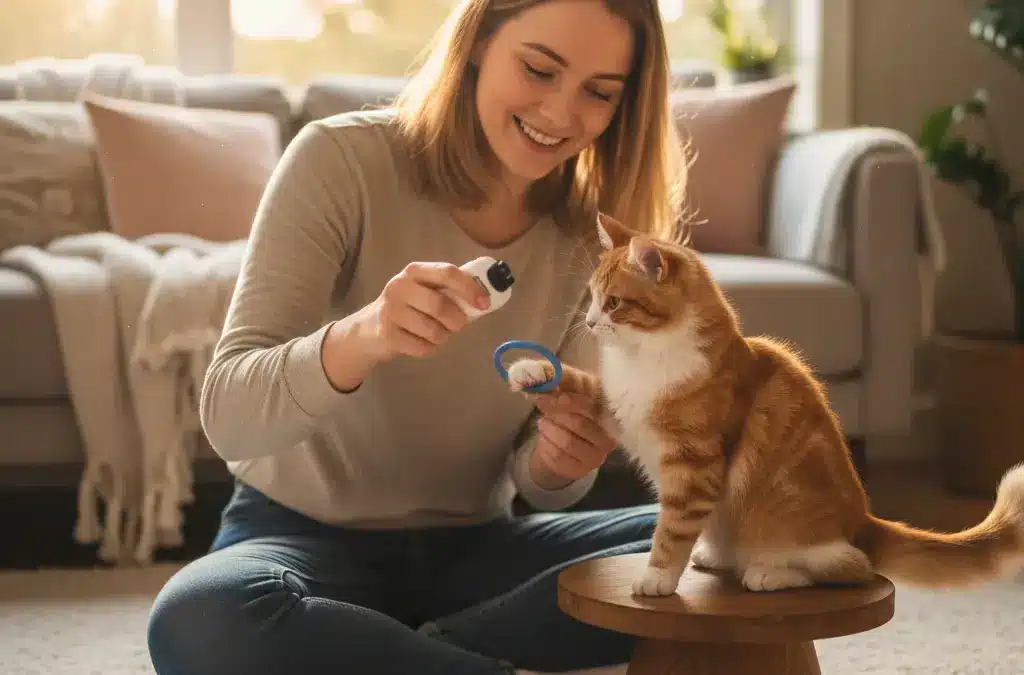
Training a cat may sound challenging, especially to new pet owners who assume cats are independent and uninterested in learning. However, cats are highly intelligent, observant, and capable of learning routines, commands, and positive behaviors. Understanding how to train cats not only improves their behaviour but also strengthens the relationship between you and your feline companion.
While dogs receive the majority of attention in the training world, cats learn in their own unique ways. When you understand their instincts, motivations, and fears, training becomes easier, more enjoyable, and far more effective. This comprehensive guide explains everything you need to know about training cats—from natural feline behaviour to training techniques, behaviour correction, problem-solving, and the importance of having reliable pet insurance during the training process.
Why Cat Training Matters More Than Most People Realize
Many people believe cats cannot be trained, but this is a misconception. Cats learn through patterns, rewards, environmental cues, and consistent positive reinforcement. Effective training provides many benefits, including:
Strengthening the bond between owner and cat
Encouraging good habits
Preventing destructive behaviour
Improving mental stimulation
Helping shy or anxious cats build confidence
Ensuring safety inside and outside the home
Learning how to train cats helps create a peaceful environment for both the pet and the owner. Training also plays a role in preventing accidents and reducing risks, which is why responsible owners often choose to protect their pets with insurance, such as the Cat Care Plan offered by Fleamail.
Understanding Feline Behaviour Before Beginning Training
Before any training begins, it is important to understand how cats think. Cats rely heavily on their instincts, body language, and sensory experiences. Understanding these elements helps you communicate more effectively with your cat.
Key natural behaviours include:
Territorial nature Cats defend and claim their space. Changes in environment can cause stress or unwanted behaviours.
Curiosity Cats explore constantly. This trait can be used positively during training.
Independence Cats learn best when training respects their independence. Forced training will not work.
Subtle communication Cats communicate through body language—tail movement, ears, pupils, posture, and vocal sounds.
For an additional reference on feline behaviour, you may visit the ASPCA Cat Care Resource: cat care
Understanding these principles allows you to train in a way that aligns with your cat’s natural instincts.
Essential Principles of How to Train Cats
Cat training is most effective when built around positive reinforcement and consistency. Punishment or force never works with felines; instead, it damages trust and increases stress.
Foundational principles of training include:
Positive reinforcement Reward your cat with treats, affection, or clicker sounds immediately after the desired behaviour.
Consistency Use the same command words, gestures, and rules every time.
Routine building Cats respond extremely well to predictable patterns.
Short training sessions Cats learn more effectively in short, frequent sessions.
Reward-based systems Use small treats or verbal praise.
Avoid punishment Punishing a cat makes them anxious and encourages hiding or aggression.
Using these principles ensures you successfully learn how to train cats in a stress-free manner.
Step-by-Step Cat Training Methods That Actually Work
1. Litter Box Training
Most cats learn this naturally, but kittens or newly adopted cats may need guidance.
Steps include:
Place the litter box in a quiet spot
Keep it clean
Reward your cat after use
Avoid scented litter if your cat seems hesitant
2. Teaching Cats to Come When Called
Use your cat’s name during feeding times or treat sessions. Repeat the word “come” before rewarding.
3. Teaching Cats Not to Bite or Scratch
Redirect biting or scratching to toys. Avoid using hands during play to prevent aggressive habits.
4. Scratching Post Training
Place scratching posts near furniture. Use catnip or toys to encourage scratching in the right place.
5. Basic Commands
Cats can learn simple commands like sit, stay, or up using clicker training.
6. Crate Training
Introduce the crate slowly. Feed your cat inside the crate to build a positive association.
7. Introducing New Pets
Separate the pets initially, exchange scents, and monitor first interactions closely.
Training becomes easier when owners remain calm, patient, and consistent.
Common Training Challenges and How to Solve Them
Aggression
Aggression often stems from fear, overstimulation, or lack of boundaries. Solution: Redirect behaviour, avoid rough play, create safe spaces.
Night-time Meowing
Often caused by boredom or seeking attention. Solution: Increase daytime play and feeding routines.
Furniture Scratching
Solution: Provide sturdy scratching posts and use feline-safe deterrent sprays.
Solution: Provide calm environments, avoid loud noises, use positive reinforcement.
Training challenges can be resolved with patience and proper technique.
How Fleamail Supports Responsible Cat Owners
Training a cat is rewarding, but it comes with challenges that may require veterinary support. Unexpected injuries, behaviour issues linked to health problems, or accidents during exploration can occur. Having reliable insurance provides peace of mind during these situations.
Fleamail is dedicated to supporting responsible cat owners with transparent, simple, and dependable insurance options. You can explore their services at: fleamail
Insurance ensures your cat receives timely veterinary care without financial stress.
Fleamail Cat Care Plan – Protection That Helps You Train Confidently
Training requires patience, and sometimes cats may injure themselves during climbing, running, or exploring. The Fleamail Cat Care Plan provides coverage for:
Unexpected injuries
Illnesses affecting behaviour
Diagnostic tests
Vet consultations
Emergency treatments
This support allows owners to train and engage with their cats confidently, knowing help is available when needed.
The Cat Care Plan is designed with practical, real-life needs in mind, making it an excellent companion for responsible pet parents.
Expert Advice from Dr. Evan Shaw on Training Cats
As Fleamail’s leading veterinary expert, Dr. Evan Shaw emphasizes that understanding feline psychology is the key to successful training.
According to Dr. Shaw:
“Training cats requires patience and positive reinforcement. Cats do not respond well to punishment or force. Instead, they learn through encouragement, trust, and repetition. Training benefits their mental health, reduces behavioural issues, and strengthens the bond between cats and their owners. When training a cat, focusing on their comfort and emotional wellbeing should always come first.”
Dr. Shaw also highlights that health issues can influence behaviour, underscoring the importance of having reliable pet insurance to support long-term training success.
Additional Tips for Successful Cat Training
To elevate your training results, consider these extra tips:
Keep sessions short and successful
Use toys and interactive tools for motivation
Create structured routines
Provide environmental enrichment
Use puzzle feeders to stimulate your cat mentally
Offer safe climbing spaces
For multi-cat households, train each cat individually
Remain calm and patient
These simple adjustments make training far more effective.
Final Thoughts – Training Cats the Right Way
Learning how to train cats is a rewarding journey that creates harmony, understanding, and trust between you and your feline companion. By using positive reinforcement, understanding feline behaviour, and providing a supportive environment, even the most independent cats can learn good habits and new skills.
Responsible training also involves planning for your cat’s health and safety. Fleamail supports cat owners throughout this journey by offering dependable insurance protection for unexpected injuries or illnesses.
Pet Health Insurance – Why It’s Essential for Your Dog’s Wellbeing
Pet ownership is a beautiful responsibility. Dogs offer unconditional love, companionship, and loyalty, but their health and wellbeing depend entirely on us. As veterinary care becomes more advanced and medical costs rise, many owners are beginning to realize the importance of preparing for unexpected health issues. This is where pet health insurance becomes essential.
Pet health insurance ensures that your dog receives the medical care they need without placing financial stress on your family. Whether it’s an accident, sudden illness, chronic condition, or emergency surgery, having reliable coverage allows you to focus on your dog’s recovery instead of worrying about expenses.
In this guide, you’ll learn what pet health insurance covers, why it matters, common health risks for dogs, and how Fleamail’s Dog Care Plan protects pet owners across Australia.
What Is Pet Health Insurance?
Pet health insurance works similarly to human medical insurance. It helps cover the cost of veterinary treatment when your dog is injured or becomes ill. Instead of paying out of pocket for expensive treatments, insurance helps you manage costs and make quick decisions when your dog needs urgent care.
A strong pet health insurance plan provides financial security during medical emergencies, supports better long-term care, and allows you to choose the best treatment options without hesitation.
Why Pet Health Insurance Matters for Every Pet Owner
Veterinary costs in Australia continue to rise. Even minor conditions can require diagnostics, medication, and follow-up visits. Accidents and emergencies are unpredictable and can become financially overwhelming. Pet health insurance reduces this burden and ensures that your dog receives timely care.
Here are key reasons why every pet owner should consider insurance:
Protection from unexpected vet bills
Dogs can suffer from sudden injuries, infections, or illnesses that require immediate treatment. Insurance helps cover these costs.
Access to better treatment
You can select the most effective treatment rather than the most affordable one.
Peace of mind during emergencies
Knowing you have protection reduces panic and stress when your dog falls sick.
Coverage for chronic conditions
Many dogs develop long-term conditions that require ongoing treatment.
Encourages routine care
Owners with insurance are more likely to seek veterinary help early, improving their dog’s overall wellbeing.
Common Health Problems That Make Insurance Important
Dogs face various health risks throughout their life. Even well-cared-for dogs can experience medical issues without warning.
Some of the most common problems include:
Digestive issues
Diarrhea, vomiting, stomach infections, and food allergies require treatment and diagnostics.
Skin conditions
Allergies, rashes, fungal infections, and scratching require ongoing management.
Ear infections
Common in dogs with floppy ears or allergies.
Injuries
Falls, sprains, fractures, and wounds occur during play or outdoor activities.
Accidental ingestion
Dogs often swallow foreign objects, toxins, or harmful foods.
Age-related illnesses
Arthritis, diabetes, kidney issues, and heart conditions increase with age.
These issues can result in costly vet visits. Pet health insurance ensures your dog receives timely treatment without financial hesitation.
How Pet Health Insurance Helps During Emergencies
Emergencies are stressful for both dogs and owners. When your dog suddenly becomes ill, collapses, or suffers an injury, every second matters. During such moments, worrying about the cost delays decisions.
Pet health insurance allows you to act quickly. Instead of choosing between cost and care, you can focus on saving your dog’s life. Insurance helps cover:
Emergency consultations
X-rays and scans
Blood tests and lab work
Hospitalization
Surgery
Medications
To explore more about pet care solutions, you can visit the main site: https://fleamail.com.au
What Does a Good Pet Health Insurance Plan Cover?
A reliable insurance plan offers comprehensive coverage that protects your dog in a variety of situations. While plans may differ, good coverage generally includes:
Accidents
Covers injuries caused by falls, fights, or swallowing harmful items.
Illnesses
Protects against infections, diarrhoea, vomiting, skin diseases, allergies, and more.
Diagnostic tests
Includes blood tests, X-rays, ultrasounds, and lab analysis.
Medications
Supports antibiotics, anti-inflammatory drugs, and prescribed treatments.
Hospitalization
Covers overnight stays and emergency care.
Surgeries
For foreign body removal, injury repair, tumor removal, and other procedures.
A well-designed plan ensures that dogs of all ages receive timely medical assistance.
Fleamail’s Dog Care Plan – Smart Protection for Your Dog
Fleamail understands the challenges pet owners face. Veterinary emergencies can occur at any time, and the financial burden can be overwhelming. That’s why the Dog Care Plan is designed to offer dependable, straightforward coverage for Australian dog owners.
This plan provides protection for a wide range of health issues and supports owners during unexpected medical situations.
Key benefits of the Dog Care Plan:
Covers accidents and common illnesses
Supports diagnostics such as X-rays, blood tests, and scans
Covers medication and treatment costs
Straightforward claims process
Designed specifically for Australian conditions
Gives pet owners confidence and peace of mind
The plan focuses on essential coverage without unnecessary complications.
Real Situations Where Pet Health Insurance Helps
Pet health insurance becomes truly valuable during real-life emergencies. Here are scenarios where coverage makes a difference:
A dog swallows a toy
Foreign body ingestion requires immediate vet care and sometimes surgery.
Sudden vomiting or diarrhoea
Blood tests, fluid therapy, and medication may be needed.
Injury during outdoor play
Dogs can sprain a leg or injure themselves unexpectedly.
Skin infections
Recurring allergies require ongoing treatment.
Senior dog needing regular checkups
Age-related conditions require frequent medical monitoring.
Insurance helps absorb the cost of these situations so your dog receives the care they need.
How to Choose the Right Pet Health Insurance
Choosing the best plan requires careful evaluation. Consider the following:
Coverage details
Check if accidents, illnesses, tests, and chronic conditions are covered.
Claim process
The simpler it is, the better your experience.
Transparency
Choose a provider that clearly explains terms and inclusions.
Company reliability
Go with a trusted provider like Fleamail.
Long-term value
Look for a plan that grows with your dog’s needs and supports future care.
A strong plan focuses on real protection rather than marketing gimmicks.
Preventive Health Care Tips for Dog Owners
Even with insurance, prevention remains the foundation of good health. Here are essential preventive care tips:
Feed a balanced diet
Provide daily exercise and play
Maintain grooming routines
Keep vaccinations updated
Use flea and tick prevention
Schedule annual vet checkups
Provide clean water and a safe environment
Watch for behavioral changes
Address symptoms early
For general pet care guidelines, see resources from organizations like RSPCA or the Australian Veterinary Association.For more detailed feeding recommendations, refer to RSPCA Australia: https://kb.rspca.org.au/
Final Thoughts – Protect Your Dog With Reliable Pet Health Insurance
Caring for your dog is a long-term commitment that includes emotional, physical, and financial responsibility. Understanding pet health insurance ensures you are always prepared for unexpected health situations. With the right coverage, you can make the best decisions for your dog without stressing over costs.
Fleamail’s Dog Care Plan gives dog owners across Australia the confidence and security they need to provide quality care.
Why It’s Essential for Every Responsible Pet Owner
As a pet parent, you already know how deeply pets become a part of our families. They bring love, joy, comfort, and companionship into our homes. But along with this love comes responsibility — especially when it comes to their health. This is exactly why insurance for pet is becoming more important than ever. With rising vet costs and unpredictable medical emergencies, having coverage can relieve emotional and financial stress in moments when your pet needs you the most.
Whether it’s a sudden illness, an accident, or unexpected symptoms like vomiting or diarrhea, vet bills can add up quickly. That’s where having the right pet insurance gives you peace of mind and the ability to focus on care, not cost. At Fleamail.com.au, our goal is to make pet insurance simple, affordable, and reliable for every pet parent.
In this complete guide, you will learn why pet insurance matters, what it covers, and how Fleamail’s Dog Care Plan can protect your pet during unexpected situations.
Why Pet Insurance Matters in Today’s World
The cost of veterinary care is increasing every year due to advanced diagnostics, better medication, and modern treatment options. While this is great for your pet’s health, it also means that even simple treatments can become expensive.
Many pet owners delay or avoid treatment entirely because of cost — not because they don’t love their pet, but because the financial burden is too big. This is where having insurance for pet becomes a lifesaver.
Pet insurance helps you:
Make quick medical decisions without worrying about money
Get access to better treatment options
Protect your savings from unexpected vet bills
Ensure your pet receives care when it matters most
Reduce stress during emergencies
No pet parent ever wants to choose between cost and care. With insurance, you never have to.
Common Health Issues That Make Pet Insurance Necessary
Dogs and cats can fall sick suddenly, even if they are perfectly healthy one day before. Understanding common issues helps highlight the importance of coverage.
1. Stomach Problems
Issues like diarrhea, vomiting, infections, or food poisoning require urgent vet care.
2. Accidents & Injuries
Pets may swallow objects, fall, get hurt during play, or ingest toxic substances.
3. Chronic Illnesses
Conditions like allergies, arthritis, skin problems, diabetes, or ear infections need ongoing treatment.
4. Parasites & Infections
Fleas, ticks, worms, and bacterial infections are extremely common.
5. Emergency Surgeries
Blockages, fractures, or internal issues require immediate attention.
6. Age-Related Problems
Senior pets are more prone to health complications and recurring vet visits.
With all these possibilities, insurance for pet ensures that you never delay help when your pet needs it urgently.
Unexpected Vet Bills – The Problem Every Pet Owner Faces
No matter how well you care for your pets, emergencies happen without warning. Even a minor issue can require tests, medication, and follow-ups.
For example:
A dog suddenly starts vomiting
A cat stops eating
A puppy ingests something harmful
A dog gets an allergic reaction
A senior dog collapses suddenly
In all these situations, the priority is quick medical action.
However, vet visits often include:
Consultations
X-rays
Blood tests
Ultrasounds
IV fluids
Medication
Overnight hospitalization
These costs can stack up fast, creating stress for families. That’s why having a protection plan is essential.
For reliable help and support, you can always explore our coverage options at: https://fleamail.com.au
What Does a Good “Insurance for Pet” Plan Cover?
A strong pet insurance plan should cover common and serious situations your pet may face. It should protect you from unexpected costs while ensuring your pet receives the best care.
A good plan includes coverage for:
Accidents
Falls
Cuts
Injuries
Poison ingestion
Illnesses
Skin infections
Diarrhea, vomiting
Respiratory infections
Allergies
Ear problems
Diagnostic Tests
X-rays
Blood tests
Ultrasound
Lab tests
Medications
Antibiotics
Pain relief
Anti-inflammatory medication
Emergency Care
Overnight hospital stay
IV fluids
Emergency treatments
When you have insurance for pet, you’re prepared for whatever comes.
Fleamail’s Dog Care Plan – Smart Protection for Pet Owners
The biggest challenge pet owners face during a medical emergency is not understanding vet terms — it’s financial pressure. Fleamail aims to remove this burden by offering simple, clear, and affordable coverage.
Accidents, illnesses, tests, and treatment are covered.
✔ Fast Claims
No complicated paperwork — submit and manage claims easily.
✔ Affordable Monthly Costs
Designed to fit different budgets while prioritizing high-quality care.
✔ Peace of Mind
You can make the best medical decision for your pet without financial stress.
✔ Trusted by Australian Pet Parents
Fleamail is known for simple policies, transparency, and reliable customer service.
When your pet is sick, stressed, or in pain — insurance helps you act fast without overthinking.
Real-Life Situations Where Pet Insurance Helps
Here are everyday scenarios where insurance for pet becomes extremely valuable:
Scenario 1: Your dog has sudden diarrhea
Stool tests + medication + follow-up visits = a costly cycle. Insurance helps cover it.
Scenario 2: Your cat injures their paw
X-rays + bandages + pain medication are needed immediately.Scenario 3: Your dog swallows something dangerous
Foreign body ingestion requires emergency vet treatment. Scenario 4: Your pet develops skin allergies
Skin problems often require long-term treatment. Scenario 5: Senior dogs require regular vet checkups
Insurance ensures age-related issues don’t become financial problems.
Without insurance, these situations can cause stress. With Fleamail, you stay prepared.
How to Choose the Right Pet Insurance Plan
When choosing insurance for pet, keep these points in mind:
✔ Coverage type
Accidents + illnesses are essential.
✔ Claim process
It should be fast and easy.
✔ Ongoing conditions
Choose a plan that supports chronic or long-term care.
✔ Reliable company
Pick a trusted provider like Fleamail with transparent policies.
✔ Value for money
The plan should offer great protection at a price that works for you.
A good plan provides security + confidence in all situations.
Prevention & Pet Care Tips That Keep Your Pet Healthy
Even with insurance, prevention is crucial. These daily habits help keep your pet healthy:
Feed balanced meals
Avoid harmful foods
Keep vaccinations up to date
Maintain flea & worm control
Ensure daily exercise
Provide fresh water
Regular grooming
Annual vet checkups
For more general pet health advice, you can also view trusted sources like RSPCA and Australian Veterinary Association.
Final Thoughts – Insurance for Pet Gives You Peace of Mind
Your pet trusts you for everything — safety, comfort, and health. While love and care are essential, being prepared for unexpected situations is equally important. With insurance for pet, you don’t have to worry about sudden vet bills or emergencies. You can always choose the best treatment without financial stress.
How to Treat Diarrhea in Dogs – Causes, Home Remedies & When to See a Vet
Diarrhea in dogs is one of the most common issues pet owners experience — and one of the most stressful. When your dog suddenly has loose stools, you worry about what caused it, whether it’s serious, and how to fix it quickly. While mild cases often resolve on their own, persistent diarrhea can signal deeper problems and even lead to dehydration. That’s why understanding how to treat diarrhea in dogs is essential for every dog parent.
In this detailed guide, we’ll walk you through the causes, home remedies, warning signs, vet treatments, and most importantly, how to stay financially prepared with a dog care plan from Fleamail.com.au.
Understanding Diarrhea in Dogs – Why It Happens
Dog diarrhea occurs when the digestive system becomes irritated or inflamed. This irritation causes food and fluid to move too quickly through the intestines, resulting in loose or watery stools. Although diarrhea is common, the reasons behind it can vary widely.
Sometimes, diarrhea is temporary and harmless. Other times, it’s a symptom of an underlying health issue that needs veterinary attention. That’s why observing your dog’s behavior, stool appearance, and overall condition is important.
Dogs can develop diarrhea due to:
Sudden dietary changes
Spoiled food or garbage ingestion
Food allergies
Stress or anxiety
Intestinal infections
Parasites
Underlying medical conditions such as pancreatitis or kidney disease
Understanding the potential cause helps you choose the right response — whether home care or a vet visit.
Common Causes of Diarrhea in Dogs
Diarrhea rarely happens without a reason. Here are the most common triggers:
1. Sudden Change in Food
Switching your dog’s food too quickly can upset their stomach. Dogs need gradual transitions over 7–10 days.
2. Human Food & Table Scraps
Fatty, spicy, or sugary foods can cause digestive issues. Even a small piece of cheese or gravy can cause problems.
3. Parasites
Roundworms, hookworms, whipworms, and giardia can lead to chronic diarrhea. Puppies are especially vulnerable.
4. Stress and Anxiety
Moving houses, traveling, loud noises, or new pets can trigger stress-induced diarrhea.
5. Infections
Bacterial or viral infections, such as parvovirus, can be serious and require immediate medical attention.
6. Allergies
Some dogs react to certain proteins, grains, or artificial additives.
7. Rotten Food or Foreign Objects
Dogs often chew on things they shouldn’t, causing stomach irritation or blockages.
When Dog Diarrhea Becomes Serious
While mild diarrhea can be managed at home, certain symptoms require you to seek veterinary help immediately.
Warning signs you must NOT ignore:
Blood in stool (red or black)
Vomiting along with diarrhea
Severe dehydration
Pale gums
Extreme lethargy
Fever
Diarrhea lasting more than 48 hours
Puppy diarrhea (urgent)
If any of these symptoms appear, visit your vet immediately. You can also get more guidance through trusted websites like the RSPCA or PetMD.
If you want reliable support and peace of mind for unexpected vet bills, having a plan like the Dog Care Plan from Fleamail becomes extremely valuable.
If your dog is still active, drinking water, and behaving normally, these home remedies often help resolve mild diarrhea safely.
1. Fasting for 12 Hours
Let your dog’s digestive system rest. Do not fast puppies — they need frequent meals.
2. Bland Diet
After fasting, offer easy-to-digest foods like:
Boiled chicken (no seasoning)
Plain white rice
Boiled pumpkin
Mashed sweet potato
Feed small portions every few hours.
3. Hydration
Diarrhea causes quick water loss. Offer:
Fresh water
Dog-safe electrolytes
Ice cubes (if they don’t want to drink)
4. Probiotics
Probiotics restore healthy gut bacteria. Choose formulas designed for dogs.
5. Canned Pumpkin
Pumpkin adds soluble fiber that firms stool naturally.
6. Monitor Closely
Observe stool consistency, energy levels, and appetite.
If your dog does not improve within 48 hours, visit your vet.
What Vets Usually Do for Severe Cases
When diarrhea is persistent or severe, your vet may recommend:
Stool tests to detect parasites
Blood tests to check organ function
X-rays or ultrasound to detect blockages
Fluid therapy to treat dehydration
Anti-nausea or anti-diarrheal medication
Antibiotics or deworming medication when necessary
These tests and treatments are essential, but they can be expensive — especially during emergencies. This is where having pet insurance makes a huge difference.
How Dog Insurance Helps During Sudden Illnesses
Dog diarrhea may start as a minor issue, but it can quickly turn into something requiring:
✔ Emergency vet visits ✔ Diagnostic tests ✔ Fluid therapy ✔ Overnight hospital care ✔ Ongoing medication
Vet costs add up quickly — and often unexpectedly.
But with pet insurance from Fleamail, dog owners can:
Get reimbursed for vet bills
Make decisions based on care, not cost
Access treatment without delay
Stay financially protected
Ensure their dog receives the best medical attention
Pet insurance removes the stress of unexpected bills so you can focus on helping your furry friend recover.
Fleamail’s Dog Care Plan – Smart, Affordable Protection
Fleamail offers flexible and affordable coverage tailored for dog owners. Their Dog Care Plan helps protect you from unexpected medical bills.
✔ What the Dog Care Plan Covers:
Accidents
Illnesses
Diagnostic tests
Medications
Emergency hospital care
It’s designed for dog owners who want quality care without financial pressure.
Whether it’s diarrhea, vomiting, infections, or sudden emergencies — this plan ensures your dog always gets the treatment they deserve.
Preventing Future Digestive Problems in Dogs
You can reduce the risk of future diarrhea episodes with simple strategies:
1. Transition foods slowly
Mix new food with old food gradually.
2. Avoid human food
Stick to dog-safe treats and meals.
3. Keep trash out of reach
Dogs love exploring bins!
4. Regular deworming
Parasites are a major cause of recurring diarrhea.
5. Provide clean water
Hydration is key for digestion.
6. Reduce stress
Maintain a stable routine.
7. Schedule yearly vet checkups
Prevention is easier than treatment.
Final Thoughts – Be Prepared, Stay Protected
Dealing with diarrhea in dogs can be stressful, but with the right approach, most cases improve quickly. The key is knowing when home remedies are safe — and when professional care is needed.
However, unexpected health issues happen to every pet. That’s why having pet insurance from Fleamail gives you financial confidence and emotional peace.
Dog parents can explore flexible, affordable coverage today:
How to Treat Diarrhea in Dogs – Causes, Remedies & When to Visit the Vet
Few things worry dog owners more than seeing their pet uncomfortable or sick. Diarrhea is one of the most common digestive upsets in dogs — and while it often clears on its own, it can sometimes indicate something more serious.so, you have to know about How to Treat Diarrhea in Dogs.
This guide explains how to treat diarrhea in dogs safely at home, when to seek veterinary help, and how having pet insurance with Fleamail.com.au can protect you from sudden vet bills.
Understanding Dog Diarrhea – What’s Normal and What’s Not
A single loose stool may not be a cause for alarm. Dogs sometimes experience mild stomach upset from small dietary changes or scavenging. However, ongoing or watery diarrhea can lead to dehydration and nutrient loss.
Recognizing what’s normal for your dog helps you act quickly. Occasional soft stool for a day or two is often harmless, but repeated bouts, blood, or lethargy mean it’s time to look deeper.
Common Causes of Diarrhea in Dogs
Diarrhea can result from dozens of triggers. The most frequent include:
Sudden diet changes: Switching brands or introducing new food too quickly.
Human food or table scraps: Fatty leftovers or dairy often cause upset.
Parasites: Worms, giardia, or coccidia irritate the intestines.
Bacterial or viral infections: Salmonella or parvovirus can be serious.
Stress: Travel, new environments, or loud noises affect digestion.
Allergies or sensitivities: Reactions to proteins, grains, or additives.
Underlying conditions: Pancreatitis, liver disease, or IBD (Inflammatory Bowel Disease).
Because so many factors are involved, monitoring duration, frequency, and accompanying symptoms is key.
When to Worry – Signs It’s Time to See a Vet
Mild diarrhea usually resolves within 24–48 hours, but call your vet immediately if you notice:
Blood or dark tar-like stool
Vomiting alongside diarrhea
Refusal to eat or drink
Weakness, fever, or sunken eyes
Diarrhea lasting beyond two days
Young puppies, senior dogs, and toy breeds dehydrate quickly and need prompt care. Early veterinary attention prevents complications.
If your dog is otherwise bright and active, gentle home care can help the gut recover.
1. Give Their Digestive System a Rest
Withhold food for 10–12 hours (keep water available) to calm inflammation. Afterward, feed small portions of bland food like boiled chicken and rice.
2. Hydrate Generously
Always provide clean water. You can also offer low-sodium chicken broth or a dog electrolyte solution to replace fluids.
3. Add Pumpkin or Probiotics
Plain canned pumpkin adds soluble fiber that firms stool, while probiotics restore healthy gut bacteria.
4. Feed Smaller Meals
Multiple small meals are gentler than one large portion. Resume your dog’s regular diet gradually over two days.
5. Monitor Closely
Track stool consistency and appetite. If symptoms worsen or don’t improve in 48 hours, contact your vet.
What to Expect at the Vet
For persistent diarrhea, vets may perform diagnostic tests such as:
Stool analysis: Checks for parasites or infections.
Blood tests: Identify organ or metabolic problems.
Imaging (X-ray/ultrasound): Detects blockages or inflammation.
Medications: Antibiotics, anti-parasite drugs, or anti-nausea tablets.
Fluids: Rehydration therapy for moderate to severe cases.
Professional care ensures accurate diagnosis and faster recovery — though costs can climb quickly without insurance coverage.
How Pet Insurance Eases Unexpected Vet Bills
Even responsible owners can’t prevent every illness. A simple stomach issue can become an emergency overnight. Pet insurance ensures you can authorize tests and treatment without hesitation.
Benefits of Coverage Through Fleamail
Reimbursement for diagnostic tests, medications, and hospitalization
Financial relief during accidents or sudden illnesses
Peace of mind knowing you can focus on your dog’s recovery instead of costs
When your best friend’s health is on the line, preparedness matters more than luck.
Fleamail’s “Protect Your Dog” Plan
The Protect Your Dog Plan from Fleamail offers tailored coverage for Australian dog owners seeking reliable, affordable protection.
Key Features
Covers accidents, illnesses, and digestive issues like diarrhea or vomiting
Fast claims process with clear communication
Adjustable coverage levels for small and large breeds
Works with vets nationwide
Backed by a team that understands pet health needs
By partnering with Fleamail.com.au, you can secure top-tier veterinary care without the financial strain.
Preventing Future Digestive Issues in Dogs
Prevention keeps your dog healthy and saves stress later. Consider these simple habits:
Introduce diet changes gradually. Mix old and new food over 5–7 days.
Avoid table scraps and fatty treats. Even small bites can trigger diarrhea.
Maintain routine deworming and flea control. Parasites are a common cause.
Keep trash and toxic foods out of reach. Dogs love to explore bins!
Reduce stress. Provide exercise and consistent schedules.
Schedule regular checkups. Early intervention protects long-term health.
Diarrhea in dogs can range from a mild nuisance to a sign of serious illness. Acting quickly, supporting hydration, and seeking veterinary help when needed will keep your dog comfortable and safe.
You can’t always prevent sickness, but you can be financially prepared. Fleamail’s Protect Your Dog Plan covers the unpredictable moments of pet ownership — so you never have to choose between your dog’s health and your wallet.
Visit Fleamail.com.au today to explore flexible, affordable pet insurance designed for Australian families who want the very best for their pets.
Because when it comes to your loyal companion, being ready is the greatest act of love.
Frozen Dog Treats – A Cool, Healthy Way to Reward Your Pet
When summer hits in Australia, keeping your dog cool and hydrated becomes a priority. Just like us, dogs love a refreshing snack on a hot day — and that’s where frozen dog treats come in.
They’re fun, easy to make, and can help your pet beat the heat. But not every frozen snack is safe or healthy. Some ingredients that seem harmless can lead to allergies, upset stomachs, or worse.
That’s why it’s important to know what’s safe, what’s not, and how to protect your dog if anything goes wrong.
At Fleamail.com.au, we help responsible pet owners take care of their furry friends in every way — from nutrition and preventive care to reliable pet insurance that covers unexpected vet bills.
Why Frozen Dog Treats Are So Popular
Frozen treats for dogs are trending for good reason. They’re:
A great way to cool down dogs during hot weather.
Perfect for hydration, especially for breeds prone to overheating.
Helpful for boredom and anxiety — licking a frozen treat calms dogs.
Fun for bonding and rewarding good behaviour.
Whether it’s a frozen banana, a yoghurt cube, or a peanut butter pup-pop, these treats can make summer safer and happier for your dog.
Common Mistakes Owners Make with Frozen Dog Treats
While frozen snacks are healthy in moderation, there are a few common mistakes that can cause trouble:
Using unsafe ingredients: Many owners use chocolate, xylitol (a sugar substitute), or artificial sweeteners — all of which are toxic to dogs.
Overfeeding: Treats, even frozen ones, should make up less than 10% of your dog’s daily calorie intake.
Ignoring allergies: Dairy, peanuts, or certain fruits can trigger sensitivities in some breeds.
Serving too hard or large treats: Big frozen blocks can cause dental damage or choking, especially in small dogs.
The key to a healthy snack is balance — safe ingredients, portion control, and close observation for any unusual reactions.
Safe & Healthy Ingredients for Homemade Frozen Dog Treats
If you’re making treats at home, stick to dog-safe ingredients. Here are some healthy options:
Ingredient
Benefits
Tip
Banana
Great source of potassium and fiber
Freeze mashed banana in small silicone molds
Pumpkin puree
Helps digestion and provides vitamins
Use 100% pure pumpkin, no added sugar
Peanut butter
Dogs love it; rich in protein
Choose xylitol-free peanut butter
Plain Greek yoghurt
Calcium and probiotics
Avoid sweetened or flavoured versions
Blueberries
Antioxidant-rich superfood
Blend and freeze with water or yoghurt
Watermelon (seedless)
Hydrating and low calorie
Serve small frozen cubes as a snack
Avoid grapes, chocolate, onions, garlic, or dairy-heavy recipes — these can make dogs sick or cause long-term health issues.
For extra creativity, mix ingredients together — like banana, yoghurt, and peanut butter — for an easy, vet-approved treat.
1/2 cup plain yoghurt Blend and pour into ice cube trays. Freeze overnight and serve one cube as a treat.
2. Berry Cool Cubes
1/2 cup blueberries
1/4 cup low-fat yoghurt
Water as needed Blend, pour into molds, and freeze. Perfect for hot walks or after playtime.
These recipes are tasty, natural, and easy on the stomach — but remember, moderation is key.
Hidden Risks – What Happens If Treats Go Wrong?
Even when you’re careful, things can go wrong. Maybe your dog eats too many, swallows a large frozen chunk, or reacts badly to an ingredient.
Common symptoms of trouble include:
Vomiting or diarrhea
Loss of appetite
Lethargy or restlessness
Swelling around the mouth or paws
If any of these occur, a vet visit is essential. But unexpected vet visits can be expensive — from $300 for a consultation to $2,000+ for tests and treatment.
That’s why having pet insurance matters. It gives you peace of mind knowing that if your dog ever reacts badly to food or treats, you’re covered for emergency care, testing, or medication.
How Pet Insurance Protects You When Treats Cause Trouble
Fleamail’s pet insurance plans are designed for moments just like this — when something small turns into something serious.
Here’s how coverage helps:
Covers vet bills for illness, allergies, and injuries caused by food reactions.
Reimburses costs for emergency treatments or hospitalization.
Helps manage long-term conditions triggered by dietary issues (like pancreatitis or food sensitivities).
Provides financial relief during stressful times, so your focus stays on your pet’s recovery.
No one plans for their pet to get sick — but being prepared can make all the difference.
To see how this protection works, check out Fleamail’s Protect Your Dog Plan, which offers customizable options for every breed and lifestyle.
Introducing Fleamail – A Smarter Way to Care for Your Pet
At Fleamail.com.au, we’re passionate about helping pet owners care for their dogs with confidence. Whether it’s accidents, illnesses, or food-related issues, our goal is to make sure you never face tough financial decisions about your pet’s health.
Fleamail’s plans are designed to suit Australian families — simple, affordable, and comprehensive.
Why Choose Fleamail
Australian-based and pet-owner focused
Transparent policies with no hidden clauses
Fast and easy claims process
Flexible coverage options for dogs and cats
Trusted by pet owners nationwide
Explore our full range of plans or start with the Protect Your Dog Plan to see how simple it is to keep your best friend covered.
Preventive Care + Insurance = Perfect Protection
Think of it this way: Healthy treats keep your dog happy. Insurance keeps them safe.
By combining smart nutrition (like frozen dog treats made with care) and a reliable insurance plan, you’re creating the perfect balance of prevention and protection.
One reduces the risk; the other reduces the cost when something unexpected happens.
That’s responsible pet ownership — keeping your pet healthy, your budget stable, and your heart stress-free.
Final Thoughts – Keep It Cool, Keep It Safe
Frozen dog treats are a wonderful way to make your pet’s summer fun, refreshing, and healthy. But they’re not without risks — allergies, overeating, or unsafe ingredients can quickly turn a good idea into an emergency.
Visit Fleamail.com.au to explore coverage options or learn more about our Protect Your Dog Plan. Because loving your pet means caring for their health — in every way possible.